We pride our company on reliability, great communication, integrity, and quality work. We are experts in our trade and will do our best to keep you as educated as we can on your particular task or project. We look forward to earning your business! Book with us online or feel free to give us a call today!
\n
\n
Energy Efficiency Auditing questions, answered by experts
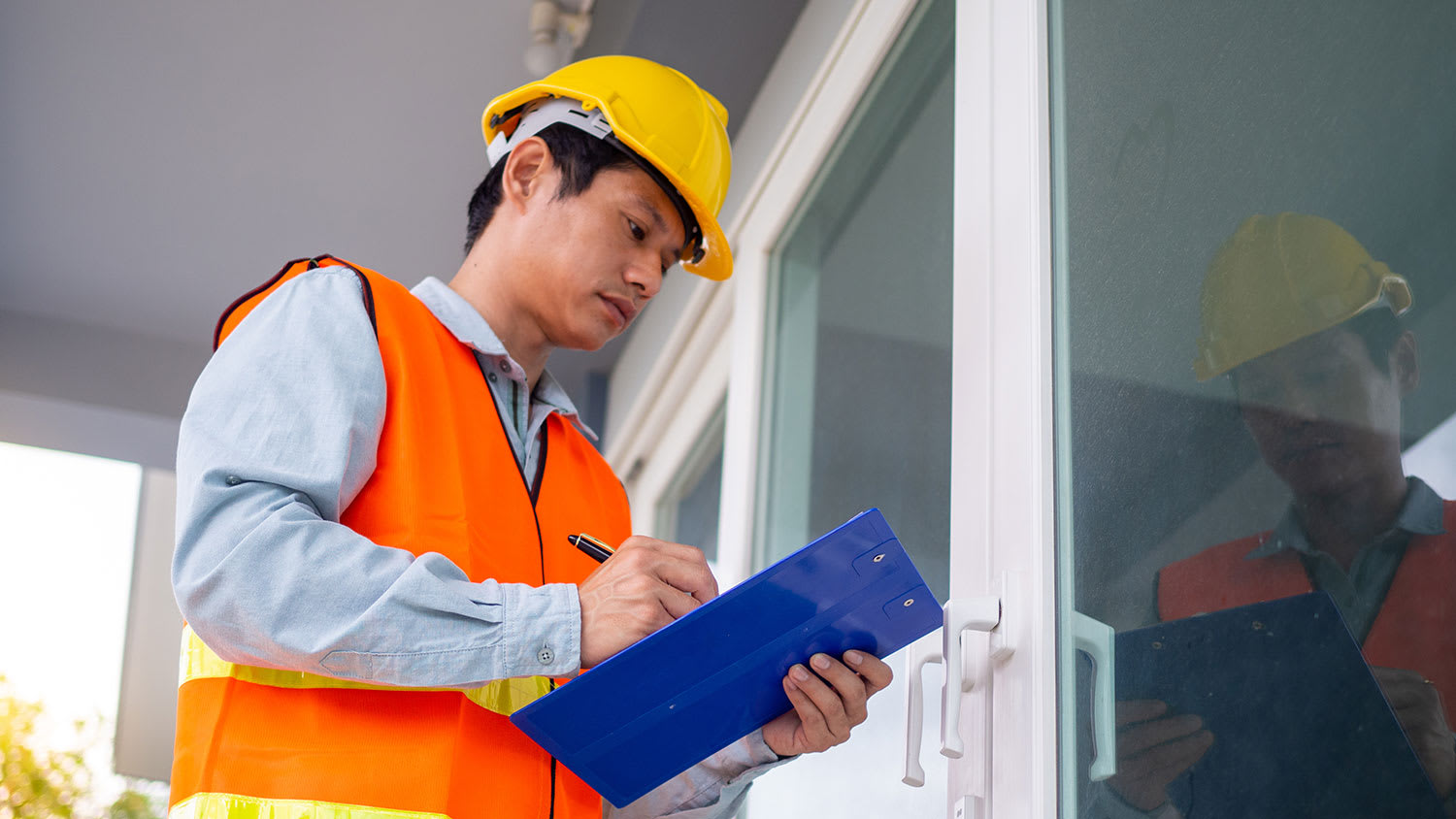
Typically, a local home energy auditor is responsible for performing energy audits. A home energy auditor will conduct one of three energy audits designed by the American Society of Heating, Refrigerating, and Air-Conditioning Engineers (ASHRAE) to determine the energy efficiency of your home. The auditor often provides analysis that can help guide changes and improvements to your home for better energy efficiency, giving recommendations as necessary.
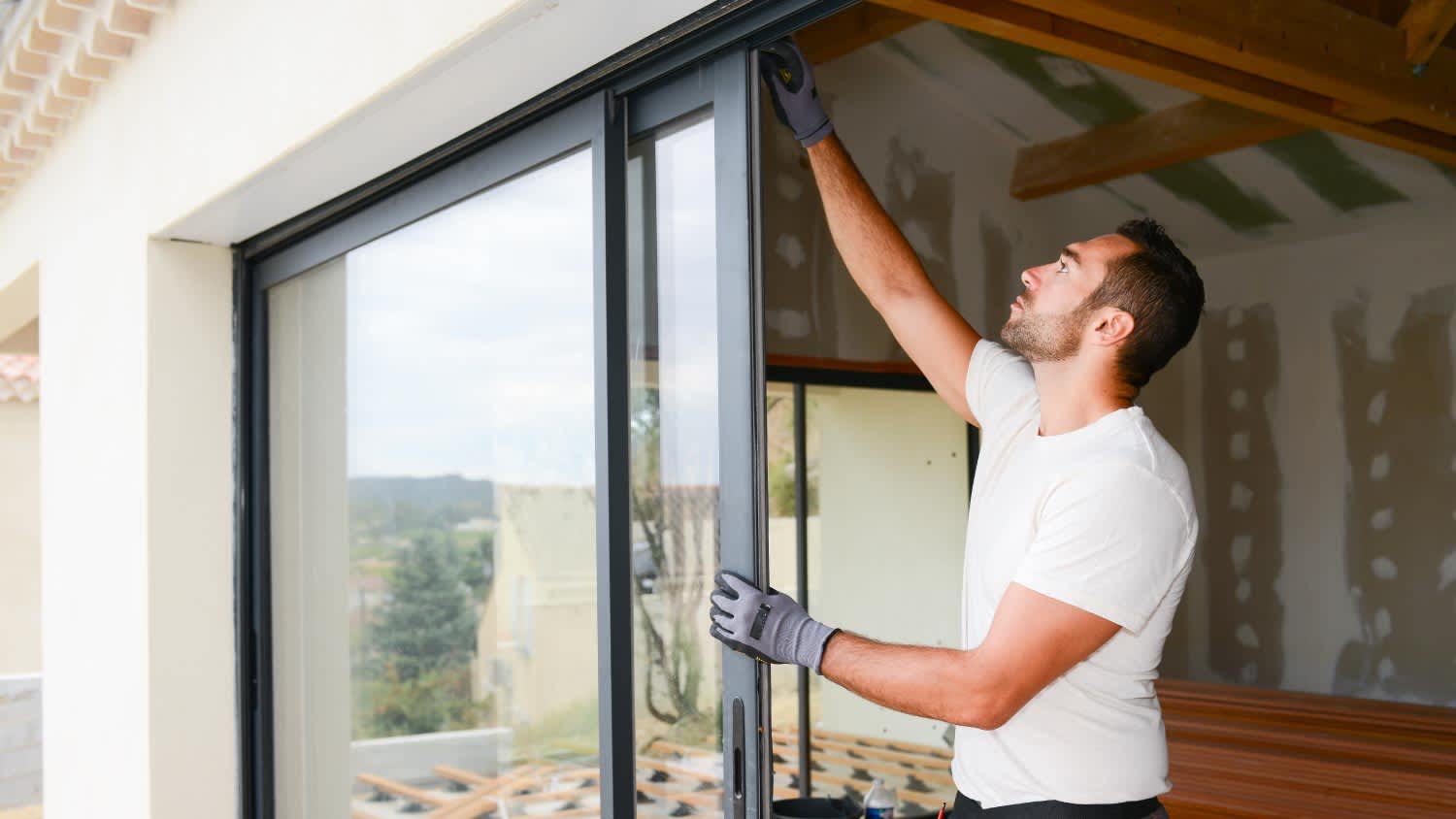
Wood windows fall in the middle of the window frame materials when it comes to energy efficiency. They’re more insulating than aluminum and vinyl, but they aren’t as efficient as fiberglass or composite frames. If you love the look and lifespan of wood windows and want to maximize efficiency, you can upgrade to double-pane or triple-pane glass and consider window tinting and low-emissivity (low-E) coatings to minimize heat transfer.
Common warning signs of an overloaded electrical panel or meter box include frequent circuit breaker tripping, flickering or dimming lights, scorch or burn marks, and a burning scent coming from the panel. A circuit breaker trips as a protective measure to prevent overheating and potential fires. If you observe any of these signs, turn off the affected circuit breaker and move some devices to a different circuit. If the problem persists after turning the breaker back on, you should contact a professional electrician to resolve the issue.
Yes, pros suggest units with high EER ratings for energy savings.
Some types of electric fireplaces use more electricity than others. Models that produce 1,500 watts will have more of an effect on your heating bill than 750-watt models.
Electric fireplaces use an average of $1.85 of electricity every eight hours. These minimal operational costs aren’t likely to make a big difference in your electric bill—unless you’re using it as a primary heating source for your home and it’s running most of the time.
The Eureka, SD homeowners’ guide to energy efficiency auditing services
From average costs to expert advice, get all the answers you need to get your job done.
Discover the average home energy audit cost, what impacts pricing, and how to save money on your audit. Get transparent, expert-backed cost info for homeowners.
Thinking about scheduling a home energy audit? Learn how to improve energy efficiency, lower your utility bills, and hire the right local pro for the job.