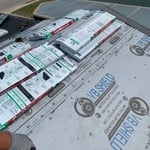
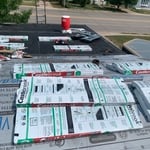
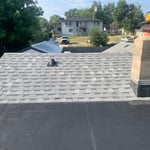
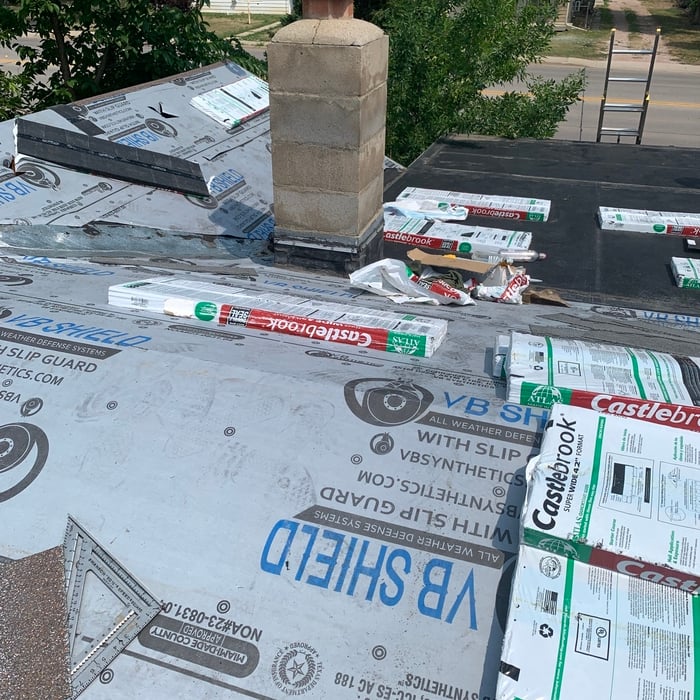
"He and his workers came to the job quickly. They advised and helped with the supplies and worked steadily until the job was finished. I recommend them to anyone."
We are a locally owned and operated company that values honesty and integrity and treats your home as if it were our own. We offer a variety of General Contractor services that are customizable to each individual project. You will find us to be competitively priced, paying close attention to the details of each and every project that we are involved with. We look forward to building lasting relationships and guarantee your satisfaction!
David Ferguson's construction business is dedicated to quality and outstanding customer service. Our job is to provide you with quality service at a great price. Please don't wait call us today.
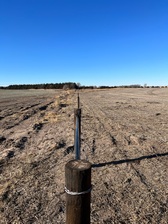
Corrugated metal is a strong, long-lasting material. A corrugated metal fence will typically last several decades, and the metal panels themselves may last for 40 to 60 years. The main thing you should be concerned about is the fence posts. Wood fence posts will last about five years if you purchase them untreated or about 15 years if you treat them after installation. Keep an eye on your posts and look out for insect damage and rot.
Of all the fencing options, the cheapest type is a repurposed pallet fence because it’s made of used materials that are easy to find for free. But if you’re not interested in the DIY game, customize a covered chain link fence or a plain wood fence to provide the best privacy possible.
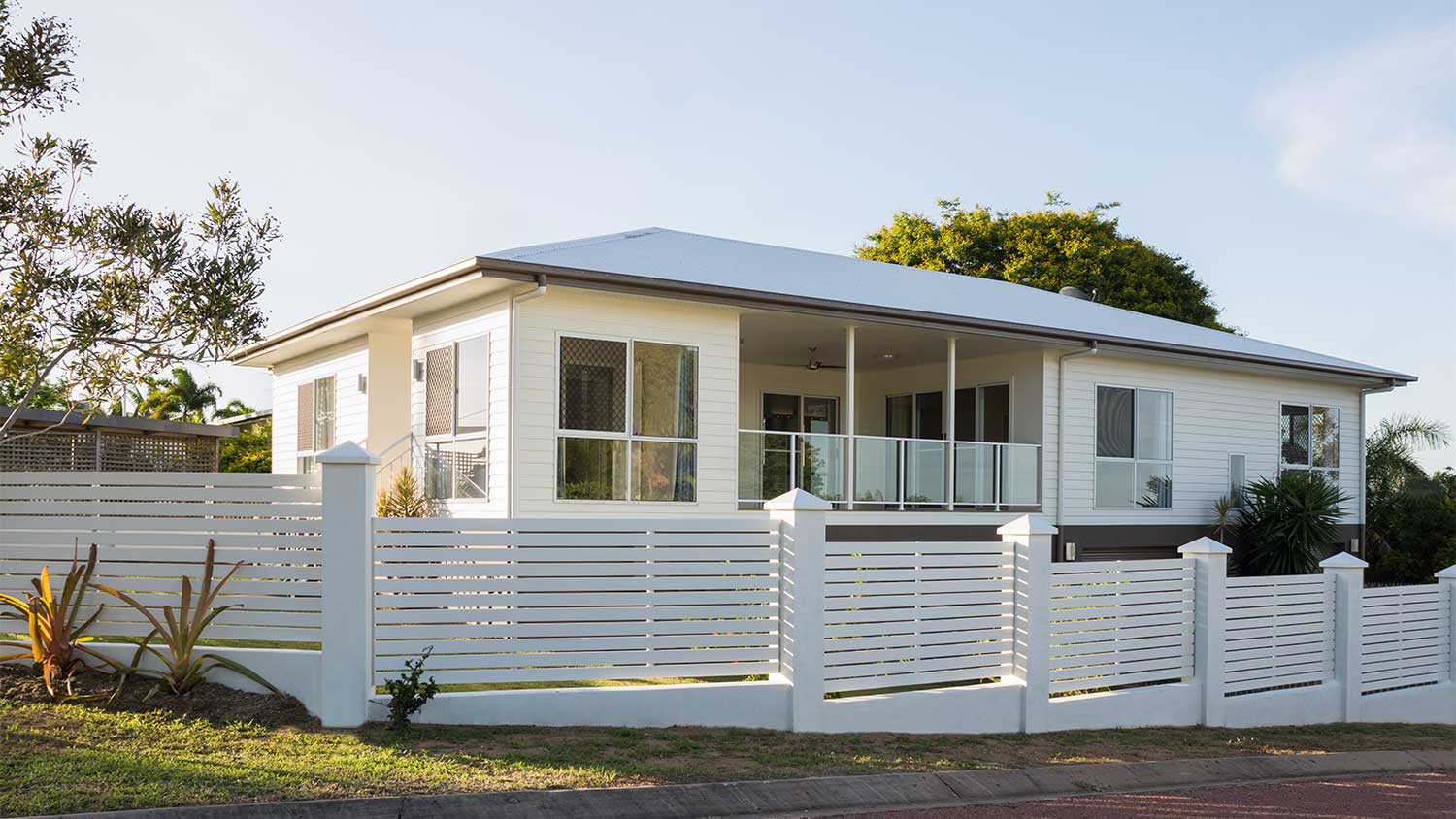
Most people prefer to keep the fence level by “stepping” the fence when running a horizontal fence over a slope. Stepping involves raising each panel between the posts as the fence moves over changes in slope, giving the fence line the appearance of stair steps. While this may be the preferred method of running a horizontal fence up a slope, there’s nothing wrong with installing your fence so it follows the undulations in the ground instead.
Yes, in most places. A front yard fence is allowed by local zoning laws more often than not, but it always helps to check before building just to make sure. There may be restrictions around how tall the fence can be, what it can be made from, or where it can be built.
When choosing wood for a fence, consider your budget and geographic region. The most popular and common types of wood are cedar, redwood, and pressure-treated pine. Cedar is a top choice due to its natural durability, resistance to rot and insects, and budget-friendly price. Redwood is another durable, tried-and-true option, though it is typically more expensive. Pressure-treated wood, such as pine, is also a widely used and popular alternative. These materials are readily available at most hardware stores, which makes future repairs and replacements easier. Their accessibility and long-lasting performance make them excellent choices for most fence installation projects.
The Allen, SD homeowners’ guide to fencing services
From average costs to expert advice, get all the answers you need to get your job done.
Chain-link fences are among the most affordable options available. Use this chain link fence cost guide to see what your fence installation will total.
Fence repair costs depend on the extent of damage, your fence's material, and how much of the fence you need to fix. Explore all the price factors in this guide.