We pride our company on reliability, great communication, integrity, and quality work. We are experts in our trade, and will do our best to keep you as educated as we can on your particular task or project. We look forward to earning your business!
"My furnace went out the day before Thanksgiving. I m sashed Apex on Thanksgiving and heard back within the hour. Trey came out the next morning and by that evening, I had a brand new furnace put in. The service was professional, cordial, and refreshingly courteous. I cannot say enough about this young man. Thank you so much, Trey. I highly recommend this exceptional company."
605 Chimney & Dryer Duct Cleanings is your industry expert in Tripp county. We pride ourselves on our extreme professionalism and attention to detail. Our customer satisfaction guarantee will assure you that we will not leave your property until you are completely satisfied with our wok. As a locally owned and operated business you can trust that we will treat your home as we would treat our own. Give us a call today & we look forward to working with you!
If you happen to disassemble your dryer vent and feel the inside of the duct immediately after drying a load of laundry, it will likely feel damp and warm. That’s normal, as the vent has just finished moving the humidity and moisture from your laundry to the exterior of your property. However, if your dryer vent has water droplets in it at any time, it’s a sign that there’s trouble with the machine’s ventilation. You should call in a professional right away to get the issue fixed.
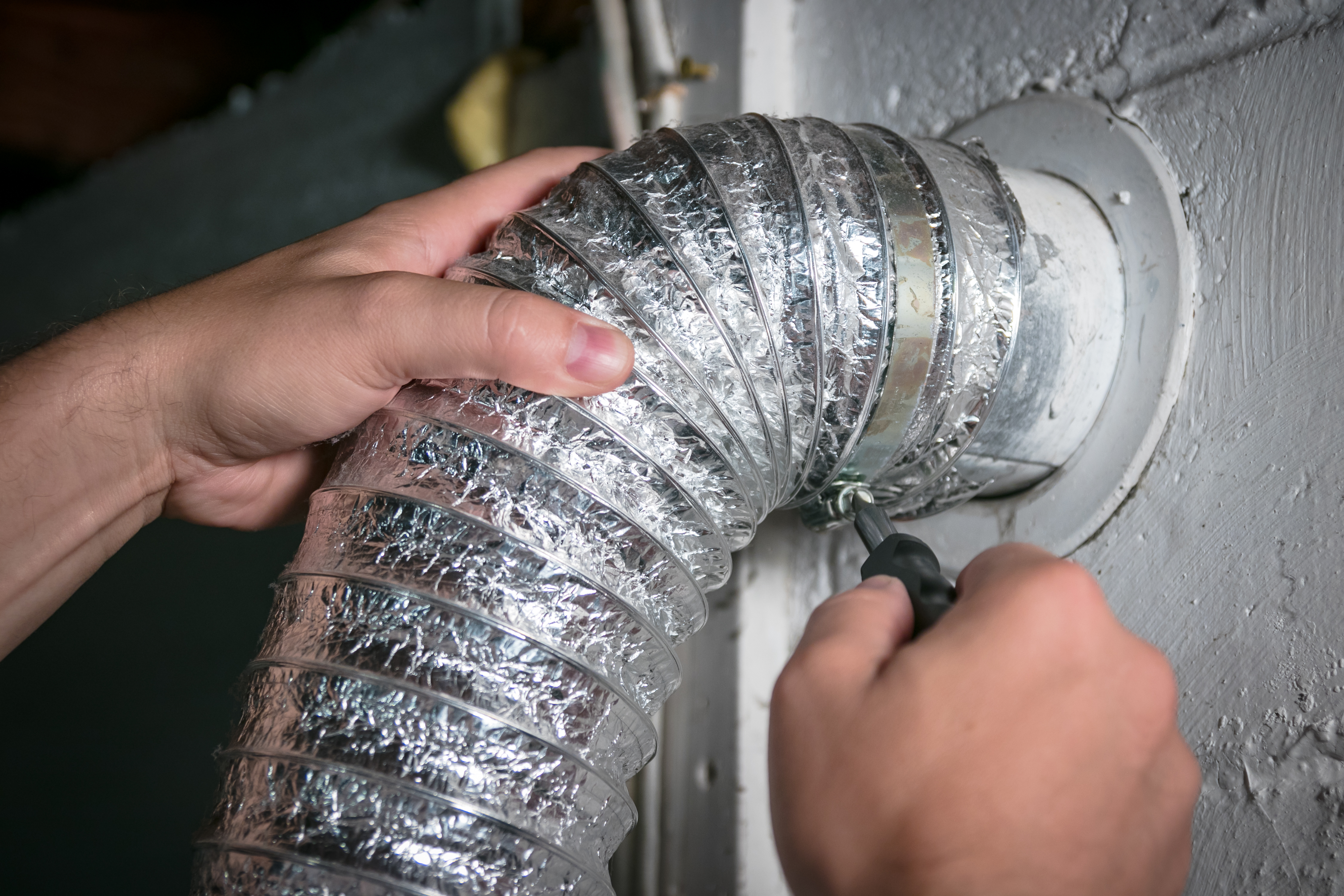
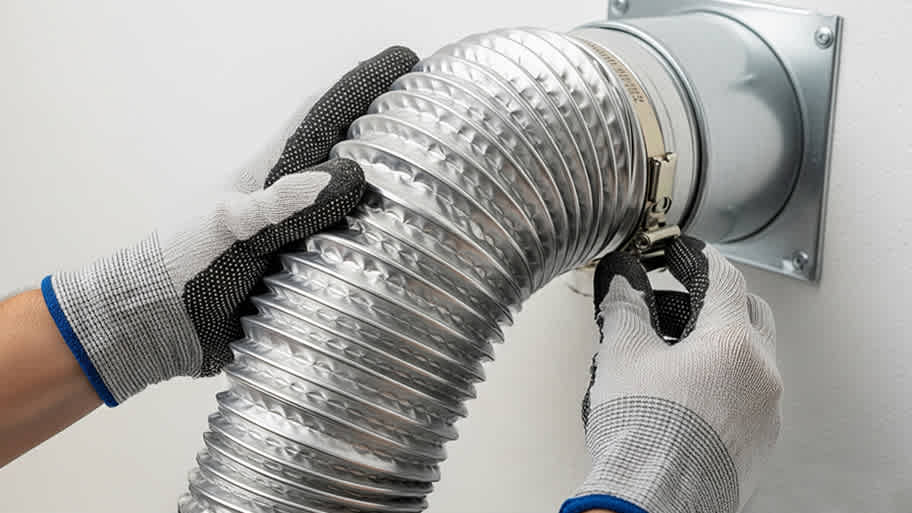
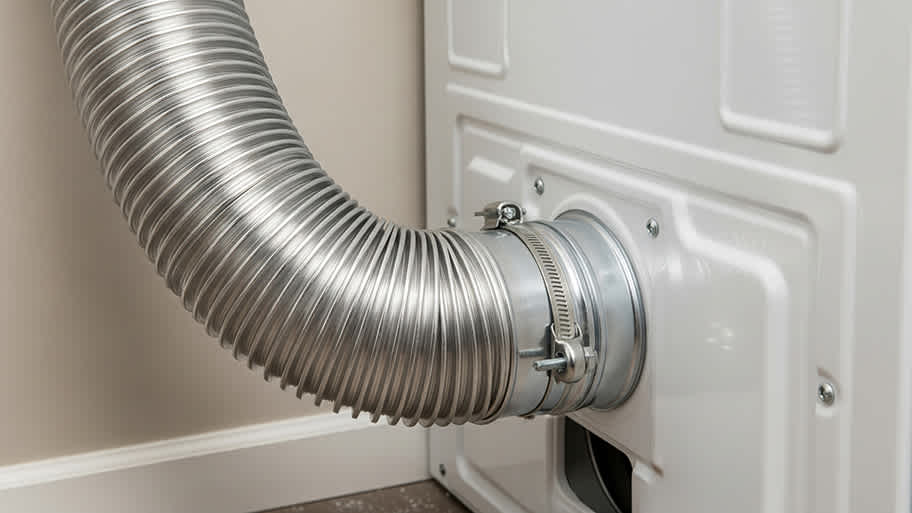
A dryer vent inspection is simply the process of checking the vent for the possibility of damage or clogs. You can do it yourself or hire a pro. Pull the dryer away from the wall and inspect the portion of the vent that’s behind the appliance for lint buildup or kinks. Check the connection of the vent to the wall for loose parts or lint that’s escaping the vent. Check the exterior exhaust vent for signs of damage or lint blockage. A pro can check the length of the vent inside the wall for you.
To lower humidity quickly, run a dehumidifier or your home's air conditioner or turn on exhaust fans to extract moisture. These methods can quickly and effectively bring your home's humidity levels to a comfortable condition. However, you should consistently practice humidity-reducing tasks to maintain proper indoor humidity levels.
Dryers pull in air from a circular opening in the back of the dryer. The dryer's heating element heats the air, and a blower fan circulates the hot air through the drum. The hot air travels outside the dryer through a vent or is cooled by a heat exchanger that condenses the steam into water and sends it down a drainpipe or to a containment compartment.
The frequency of cleaning your dryer depends on how often you use it. For regular households, it is recommended to clean the lint trap after each load of laundry. Additionally, thorough cleaning of the dryer—lint trap, drum, and exterior—should be done every few months. It's important to pay attention to the vent system as well. Ideally, it should be cleaned at least once a year, or six months if your dryer takes care of huge loads often, or more frequently if you notice reduced drying efficiency.
The Allen, SD homeowners’ guide to dryer vent cleaning services
From average costs to expert advice, get all the answers you need to get your job done.
A dryer vent cleaning cost averages about $140 when done by a professional. Read our tips to understand the key cost factors involved in dryer vent cleaning.
When your dryer is leaving wet or overly hot clothing, it might be time to get your dryer vents cleaned by a professional. Learn more about this and other signs you need a dryer vent cleaning, like a hot laundry room or broken vent hood.
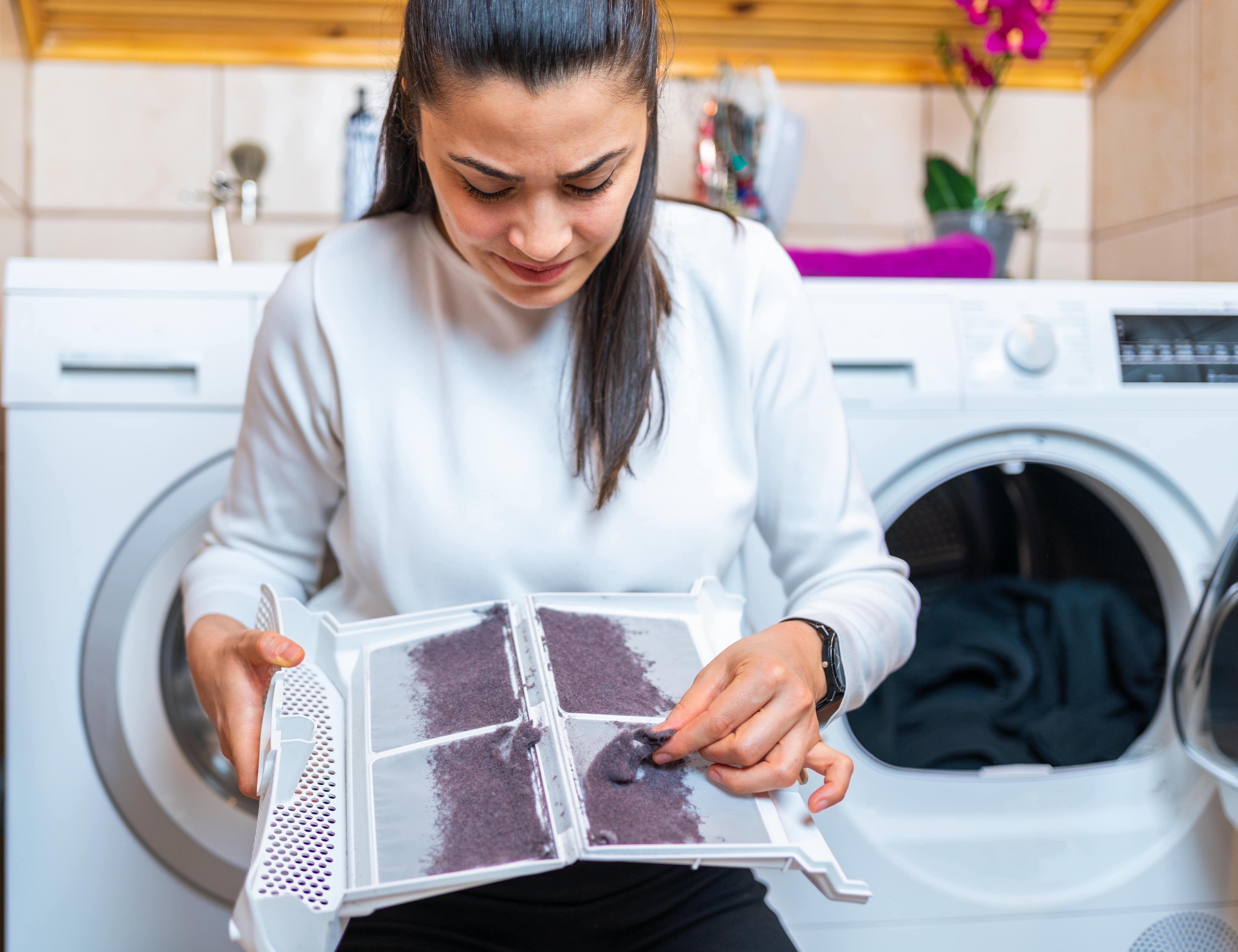
You might not think much of lint, but it’s actually a major fire hazard. Running your own dryer and dryer vent inspection can help you spot dangerous buildup.
Regular dryer vent cleaning is essential to keeping your dryer running safely and efficiently. But when it comes to dryer vent cleaning, is it better to hire a pro or DIY?