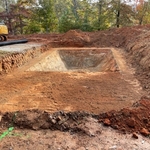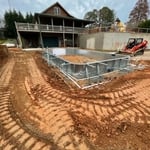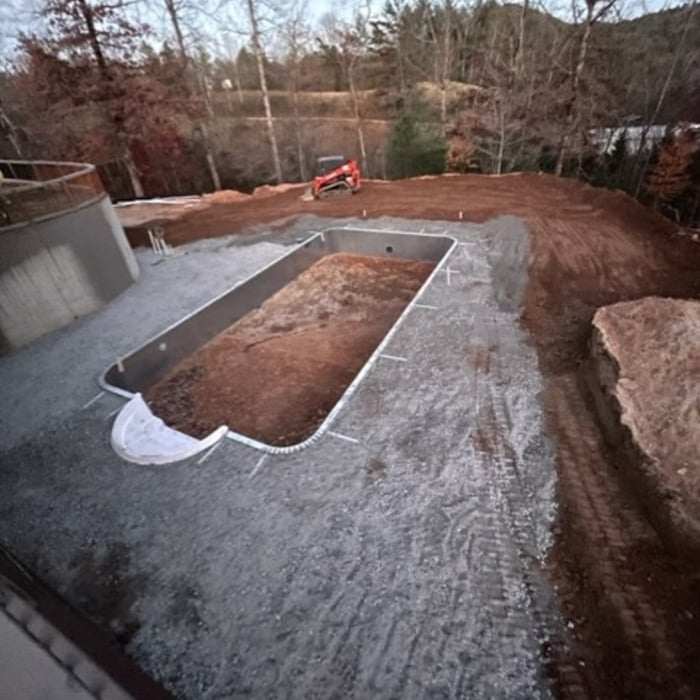





Top-rated excavation pros.

Get matched with top excavation pros in Rabun Gap, GA

Enter your zip and get matched with up to 5 pros

Need a pro for your excavation project in Rabun Gap, GA?

Select your specific project to find the pro for you.

TRUSTED BY RABUN GAP, GA HOMEOWNERS

  • Average homeowner rating star icon4.4
    Average homeowner rating
  • Verified reviews icon15
    Verified excavation services reviews

Find Excavation pros in Rabun Gap

Avatar for J&L Dirt Worx
J&L Dirt Worx
5.0(
3
)
Building Site - Preparation and ClearingExcavation - Major Grading or ReslopingLandscape - Minor Grading or Resloping

Serving Rabun Gap, GA and surrounding areas

Approved

In business since 2023

Free estimates

Small jobs welcome

"couldn’t be any happier having him do work for us! from clearing out a whole piece of property, to major changes and grading done. he’s done a few of them for us. also does amazing septic and waterline work, and is nonstop until the job is complete or until it’s way past dark."
Gunsmoke dr
Gunsmoke dr
Gunsmoke dr
Gunsmoke dr
Gunsmoke dr

+3

Avatar for Flores Innovation Services LLC
Flores Innovation Services LLC
5.0(
4
)
Landscape - Minor Grading or Resloping

Serving Rabun Gap, GA and surrounding areas

Approved

Super Service Award Winner

In business since 2024

Free estimates

Small jobs welcome

"Charlie and his crew solved a landscape drainage problem for me. They were able to complete the job quickly and at a very fair price. I am happy with the results and would recommend them"
Hardscaping
Hardscaping
Hardscaping
Hardscaping
Hardscaping

+13

Response time1 day
Response rate85%
7 neighbors recently requested a quote
...
Showing 1-10 of 85
Excavating questions, answered by experts

Skunk digging looks like a series of small, cone-shaped holes on a lawn or around the perimeter of a home, porch, deck, or shed. The holes that skunks dig when searching for grubs tend to be no more than four inches in diameter and may be up to four inches deep.

There is no standard depth for burying a septic tank; they are typically buried anywhere from 4 inches to 4 feet underground. The final depth depends on several factors, including the depth of your main sewer line, the height of the bedrock, soil type, local regulations, and the property's landscape. If you plan to grow grass or plants over the tank, a depth of at least 4 to 6 inches is recommended. Deeper tanks can be more difficult to locate, but a septic professional can help find it for you.

Water lines are buried at various depths, depending on the type of line. For example, most sprinkler lines are buried between four and 12 inches underground. On the other hand, water mains usually sit between one and 3 feet below ground. However, they can go even deeper in cold climates to prevent freezing.

No, a ditch isn’t a trench. A ditch is an open, relatively shallow channel that’s carved out of the ground and used for drainage purposes. In contrast, a trench is a deeper excavation that’s entirely underground. Trenches have many uses, including gas lines, sewage systems, and electrical wiring. Unlike trenches, ditches don’t get filled back in with dirt after they’re dug.

Call 811 to locate and mark the gas lines at least three days before digging. In many areas, you can dig within 18 inches of the lines, though in some locations, the distance may be further. Check local regulations, as you may need a utility company representative onsite when digging. Document your calls to 811 and precautions taken to avoid gas lines. A homeowner can be held liable for hitting a gas line in some cases, but contacting the proper authorities and following all guidelines can offer protection.

The Rabun Gap, GA homeowners’ guide to excavation services

From average costs to expert advice, get all the answers you need to get your job done.