




Top-rated excavation pros.

Get matched with top excavation pros in Clayton, GA

Enter your zip and get matched with up to 5 pros

Need a pro for your excavation project in Clayton, GA?

Select your specific project to find the pro for you.

TRUSTED BY CLAYTON, GA HOMEOWNERS

  • Average homeowner rating star icon4.6
    Average homeowner rating
  • Verified reviews icon12
    Verified excavation services reviews

Find Excavation pros in Clayton

Avatar for Flores Innovation Services LLC
Flores Innovation Services LLC
5.0(
4
)
Landscape - Minor Grading or Resloping

Serving Clayton, GA and surrounding areas

Approved

Super Service Award Winner

In business since 2024

Free estimates

Small jobs welcome

"Charlie and his crew solved a landscape drainage problem for me. They were able to complete the job quickly and at a very fair price. I am happy with the results and would recommend them"
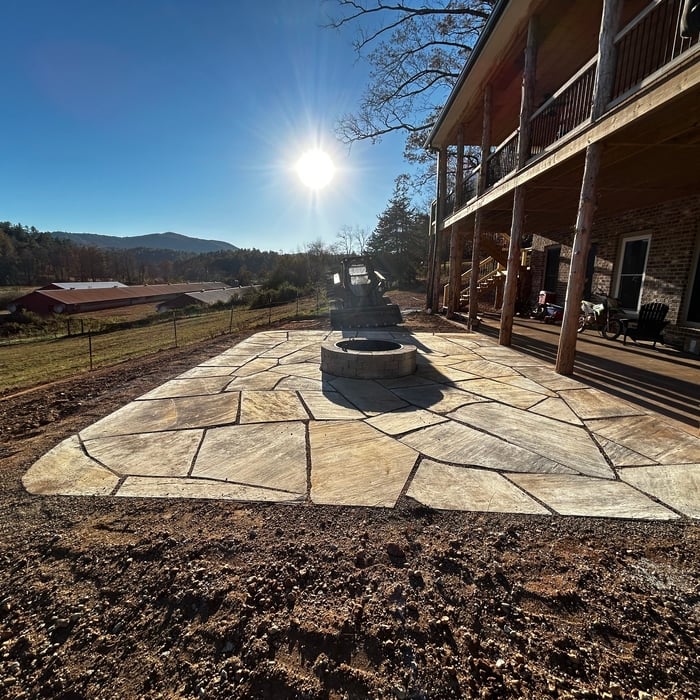
Hardscaping
Hardscaping
Hardscaping
Hardscaping
Hardscaping

+13

Response time1 day
Response rate91%
2 neighbors recently requested a quote
Avatar for Looper Residential Construction Management
Looper Residential Construction Management
5.0(
1
)
Landscape - Minor Grading or Resloping

Serving Clayton, GA and surrounding areas

Approved

Free estimates

"Noah provided me a quote and was able to come out the next day to take care of my removal. He was perfectly on time, professional, and friendly. I would definitely use his company again for future projects. Thanks!"
11 neighbors recently requested a quote
...
Showing 1-10 of 104
Excavating questions, answered by experts

A trench that is less than 5 feet deep often doesn't require a protective system. Most residential trenches will not go this deep (the typical residential drainage trench is just 18 inches deep). In the event that an excavator needs to dig more than 5 feet beneath the surface, a protective system is required unless the excavation is in entirely stable rock.

A mini excavator can dig between 5 and 11 feet deep, depending on the type and size of the mini excavator. Mini hydraulic excavators are more powerful and can reach deeper into the earth, but electric models have a more limited range. Mini excavators over two tons in size are also more powerful and able to dig as deep as 11 feet.

In the United States, a depth of 36 inches (three feet) for underground water lines is the accepted industry standard. This depth varies from location to location based on local conditions. In areas with colder winters, they may be buried deeper to prevent frozen well water pipes : This is usually at least six inches below the frost level. The International Plumbing Code calls for a minimum of 12 inches below grade.

Sewer lines can be buried anywhere from 18 inches to 8 feet deep, with a common average depth between 18 and 30 inches. The exact depth depends on local factors like climate and soil type. In colder regions, pipes must be buried deeper (below the frost line) to prevent freezing, sometimes as deep as 8 feet. The digging depth can also impact the cost of sewer line replacement. To find the specific depth for your property, you can check the building plans for your system, which should be on file with your city or local sanitation department since permits are required for installation.

Directional drilling is complex and requires training to use the advanced machinery. It can be challenging to monitor the position of the drill since there’s no direct line of sight. Directional drilling can also be more expensive with a cost of $10 to $30 per linear foot compared to $5 to $12 per linear foot for trenching. 

The Clayton, GA homeowners’ guide to excavation services

From average costs to expert advice, get all the answers you need to get your job done.