


Top-rated excavation pros.

Get matched with top excavation pros in Ware Shoals, SC

Enter your zip and get matched with up to 5 pros

Need a pro for your excavation project in Ware Shoals, SC?

Select your specific project to find the pro for you.

TRUSTED BY WARE SHOALS, SC HOMEOWNERS

  • Average homeowner rating star icon5
    Average homeowner rating
  • Verified reviews icon22
    Verified excavation services reviews

Find Excavation pros in Ware Shoals

Avatar for M & P Landscaping, LLC
M & P Landscaping, LLC
4.7(
17
)
Landscape - Minor Grading or Resloping

Serving Ware Shoals, SC and surrounding areas

Approved

In business since 2015

Free estimates

Small jobs welcome

"Great guys - came out very quickly for a project that demanded fast attention - fixed our irrigation system within hours of contact. I will use them again! Thanks!"
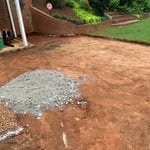
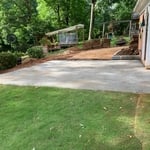
Leveling stages
Leveling stages
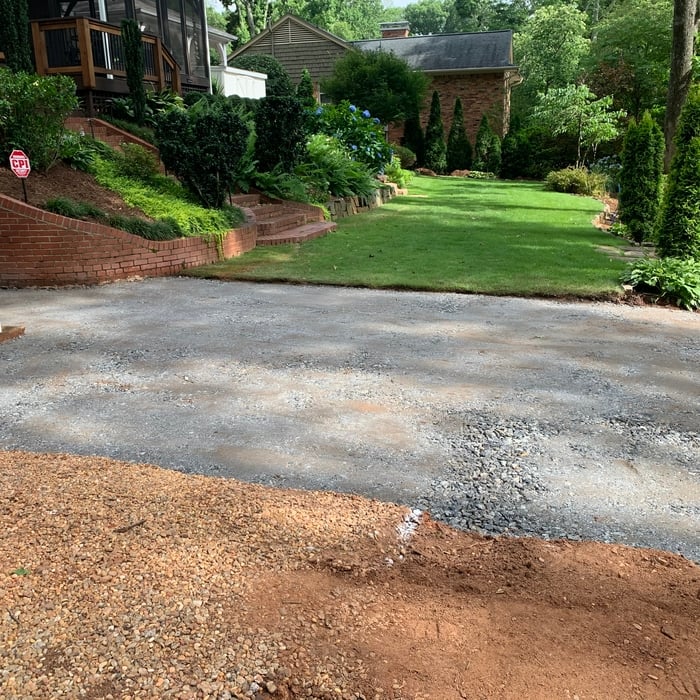
Crusher Run
Crusher Run
Crusher Run

+15

Response time2 days
3 neighbors recently requested a quote
Recommended by93%of homeowners
...
Showing 1-10 of 113
Excavating questions, answered by experts

Excavation is priced in cubic yards, so you’ll need to find the volume of the area in order to calculate costs. Multiply the length, width, and proposed depth of your excavation site, then convert it into yards to get the volume. Multiply this figure by the price per cubic yard.

Most homeowners can measure by hand to get a rough estimate, even if it’s tedious. You may want to pull out a tape measure or use a string to help mark the area.

The physical constraints of hand-drilling a well limit the depth you can achieve. Manually digging with picks and shovels may only lead to shallow wells of up to 60 feet in depth. To reach greater depths, you need more specialized equipment. The diameter of your well and the tools you’re using will determine how far down you can dig.

A joint utility trench, or joint trench, is a long, buried ditch on a property that contains two or more utility lines rather than running the lines in multiple trenches. Some utilities, like gas and electric or electric and communication lines, are better suited to joint trenching, while others, like water and sewer, are not allowed to be in the same trench.

Water lines are buried at various depths, depending on the type of line. For example, most sprinkler lines are buried between four and 12 inches underground. On the other hand, water mains usually sit between one and 3 feet below ground. However, they can go even deeper in cold climates to prevent freezing.

Yes, you can excavate in the winter, but it might make the job harder. Frozen ground is harder to dig, and snow or ice can make the work site more hazardous. A contractor may need special equipment and techniques, such as ground-thawing methods, to break through frozen soil. Although winter excavation is possible, it may take longer and be more costly than excavating during warmer months.

The Ware Shoals, SC homeowners’ guide to excavation services

From average costs to expert advice, get all the answers you need to get your job done.