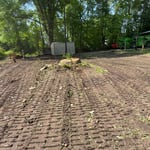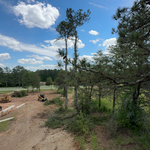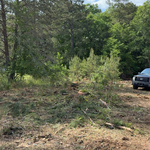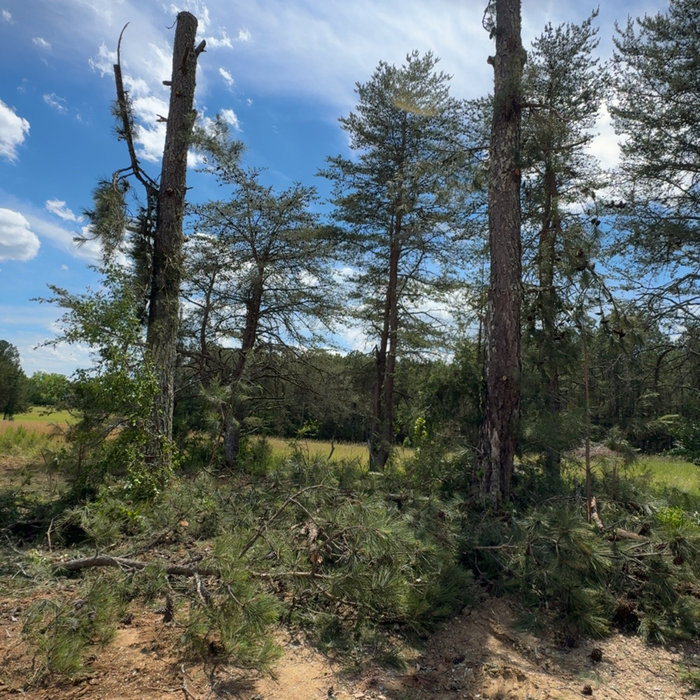

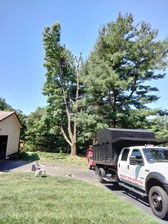
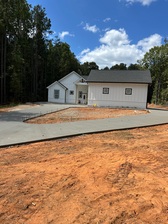

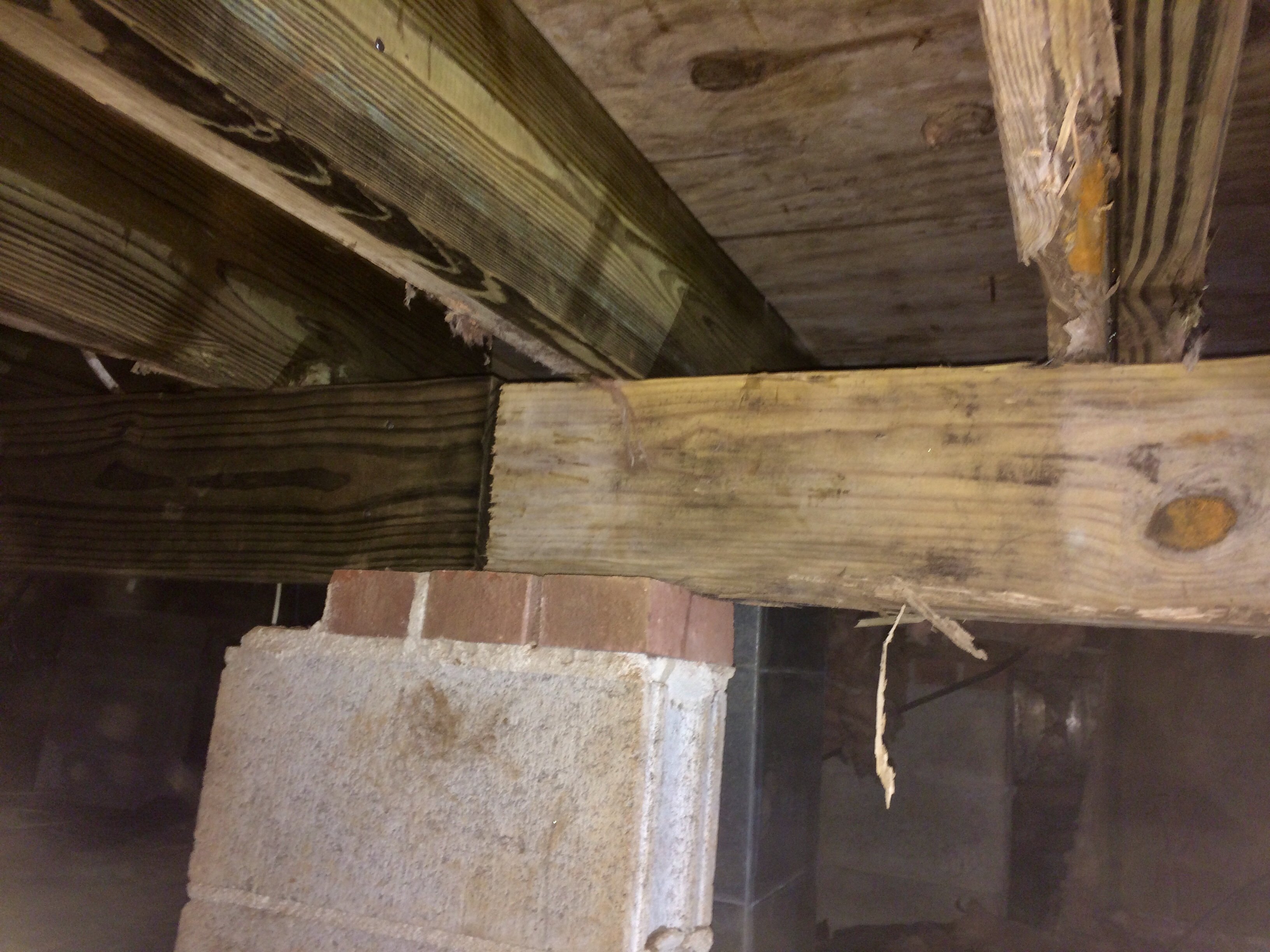
"I recently hired Frasier Site & Tree Solutions for a tree removal project, and I couldn't be happier with the results. From the initial estimate to the final cleanup, the entire process was professional, efficient, and stress-free. The crew arrived on time, worked safely, and removed a large tree that was in a difficult location without causing any damage to my property."
My name is Noah Looper and I own Looper Residential Construction Management. We are well versed in residential projects with over a decade of experience in the field. Call us for your residential needs including but not limited too; landscaping, interior remodeling, exterior remodeling, junk removal, soft washing, and more. If you own a house you need to save our number!
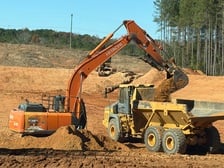
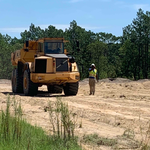
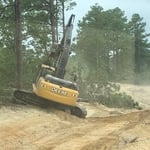
BlackIron Clearing & Demolition specializes in land clearing, site preparation, driveway grading, and demolition services. We remove trees, brush, structures, and unwanted debris to prepare properties for construction, development, or a fresh start. From grading driveways to clearing entire properties, our focus is on providing safe, efficient, and dependable work without breaking the bank. Quality work, fair prices, and results you can count on.
I am starting a new Buisness and switching Career. I last 12 years last company I for. I can travel far if needed and work for long hours. I own my own dump trailer, skid steer and diesel truck. My plan is to make a good use out all of my equipment cleaning and hauling services. I’m motivated to work and really want to grow my Buisness bigger as a new owner.
The best method for digging a trench depends on the scope of the project. For a short, shallow trench (less than 2 feet deep) in light, soft soil, digging by hand may be sufficient. However, digging by hand is labor-intensive, so consider the effort required. A machine trencher is the better option for longer trenches (over 100 feet), deeper ones, or when dealing with difficult soil conditions, such as rocky or hard ground, or obstructions like tree roots. A machine can save significant time and energy in these situations.
Excavations take a few days or up to a few weeks. The time it takes to excavate an area depends on the size of the area, the type of soil, the type of excavator, and even the time of year, since winter can make digging up the ground more difficult.
Sewer lines can be buried anywhere from 18 inches to 8 feet deep, with a common average depth between 18 and 30 inches. The exact depth depends on local factors like climate and soil type. In colder regions, pipes must be buried deeper (below the frost line) to prevent freezing, sometimes as deep as 8 feet. The digging depth can also impact the cost of sewer line replacement. To find the specific depth for your property, you can check the building plans for your system, which should be on file with your city or local sanitation department since permits are required for installation.
There are several different factors that influence how long it takes to excavate. For a foundation, it could take anywhere from three days to three weeks. It can take even longer if you face weather-related delays or an inaccessible site that’s riddled with boulders and rough terrain. It may also take longer if you have clay soil, which is more difficult to dig.
A mini excavator can dig between 5 and 11 feet deep, depending on the type and size of the mini excavator. Mini hydraulic excavators are more powerful and can reach deeper into the earth, but electric models have a more limited range. Mini excavators over two tons in size are also more powerful and able to dig as deep as 11 feet.
The Due West, SC homeowners’ guide to excavation services
From average costs to expert advice, get all the answers you need to get your job done.
Excavation costs $1,500 to $6,300 for most residential projects—but it depends on factors like the size of the area. This guide will help you plan a budget.
You can't have an in-ground pool without digging into the ground. How much does pool excavation cost, and can you take it on yourself? Our guide explains.