

Top-rated excavation pros.

Get matched with top excavation pros in Pauline, SC

Enter your zip and get matched with up to 5 pros

Need a pro for your excavation project in Pauline, SC?

Select your specific project to find the pro for you.

TRUSTED BY PAULINE, SC HOMEOWNERS

  • Average homeowner rating star icon4.9
    Average homeowner rating
  • Verified reviews icon18
    Verified excavation services reviews

Find Excavation pros in Pauline

Carolina Grading & Land Clearing LLC
4.6(
34
)
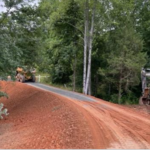
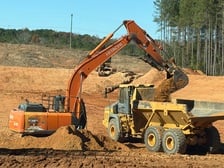
Building Site - Preparation and Clearing

Serving Pauline, SC and surrounding areas

Approved

In business since 1990

Free estimates

Credit card accepted

"WOW!! Itâ s so rare to find a company that exceeds your expectations, but this was our experience from start to finish with Carolina Grading & Land Clearing! Tim & Alisa are a dynamic duo, good communicators, punctual and have a great team of motivated, professional workers. Gary, the lead on our project, was phenomenal! He listened to what we were hoping to accomplish on our land, offered suggestions and then followed through to masterfully transform our property! There is no doubt due to their accumulative expertise in land development the money we spent for land clearing and grading not only made our property more usable, but it greatly increased the overall value of our property. Talk about a WIN-WIN! Thank you Carolina Grading team!!"
My jobs
My jobs
My jobs
My jobs
Recommended by84%of homeowners
Avatar for Skinner's Lawn and Landscape
Skinner's Lawn and Landscape
5.0(
20
)
Landscape - Minor Grading or ReslopingBuilding Site - Preparation and Clearing

Serving Pauline, SC and surrounding areas

Approved

In business since 2000

Free estimates

Customers say: Quick response

"This crew didn't waste any time. Once they arrived, they all grabbed equipment and started right in. They work hard, do a good job and clean up when they're done. I will definitely hire them again in the future."
Response time1 day
3 neighbors recently requested a quote
Recommended by100%of homeowners
Avatar for M & P Landscaping, LLC
M & P Landscaping, LLC
4.7(
17
)
Landscape - Minor Grading or Resloping

Serving Pauline, SC and surrounding areas

Approved

In business since 2015

Free estimates

Small jobs welcome

"Also rerouted and updated irrigation system to suit new landscaping, and installed dry creek bed. Dependable and hard working. Will definitely hire again."
Leveling stages
Leveling stages
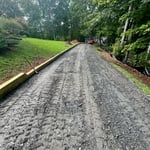
Crusher Run
Crusher Run
Crusher Run

+15

Response time2 days
2 neighbors recently requested a quote
Recommended by93%of homeowners
...
Showing 1-10 of 141
Excavating questions, answered by experts

Excavation is priced in cubic yards, so you’ll need to find the volume of the area in order to calculate costs. Multiply the length, width, and proposed depth of your excavation site, then convert it into yards to get the volume. Multiply this figure by the price per cubic yard.

Most homeowners can measure by hand to get a rough estimate, even if it’s tedious. You may want to pull out a tape measure or use a string to help mark the area.

Concrete blocks are the cheapest way to base a shed. However, the space in between allows critters to go under, burrow, and even damage your shed’s frame. For a more pest-proof option, consider building a shed base with gravel or paver stones. Both options are fairly affordable and easy enough for a DIY project. For gravel, you can build a wooden frame to contain the loose material.

Depth is not a qualifying component of evacuation. Any human-made cut, cavity, or depression in the earth’s surface is considered excavation. The hole from excavation can be any size, shape, or depth. Excavation is used to create foundations, reservoirs, drainage ditches, and roads. Long, narrow excavations are called trenches and are often used for underground utilities.

To locate an underground downspout, you should start by identifying where the above ground gutter drains. Look for an entry point, such as a pipe or elbow leading into the ground. Follow the surface path for signs like depressions, landscaping disruptions, or wet areas after rain. You can use a metal detector or plumber’s snake to trace the pipe underground. For deeper pipes, a professional locator tool or camera inspection may be necessary. Visual markers or utility maps can also guide the search.

In the United States, a depth of 36 inches (three feet) for underground water lines is the accepted industry standard. This depth varies from location to location based on local conditions. In areas with colder winters, they may be buried deeper to prevent frozen well water pipes : This is usually at least six inches below the frost level. The International Plumbing Code calls for a minimum of 12 inches below grade.

The Pauline, SC homeowners’ guide to excavation services

From average costs to expert advice, get all the answers you need to get your job done.