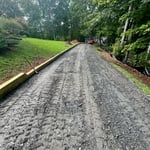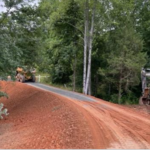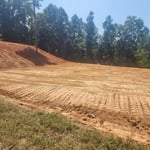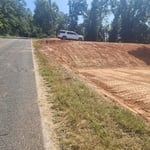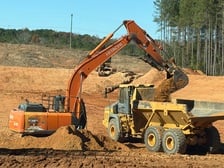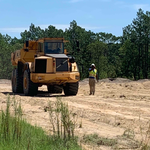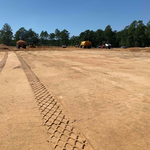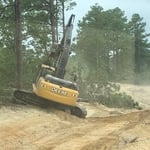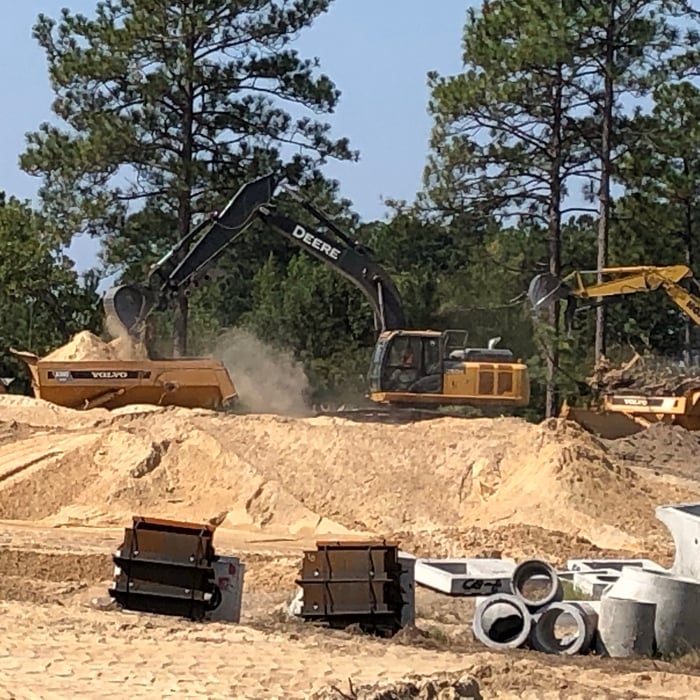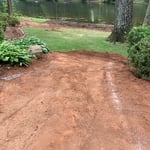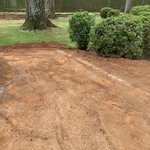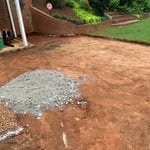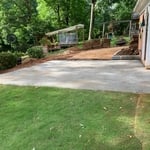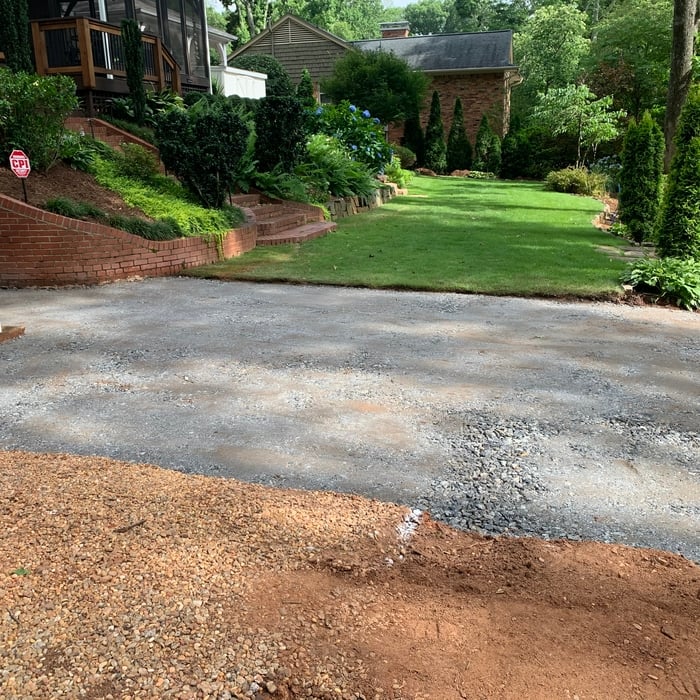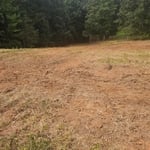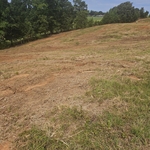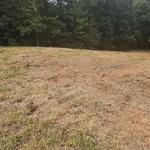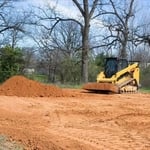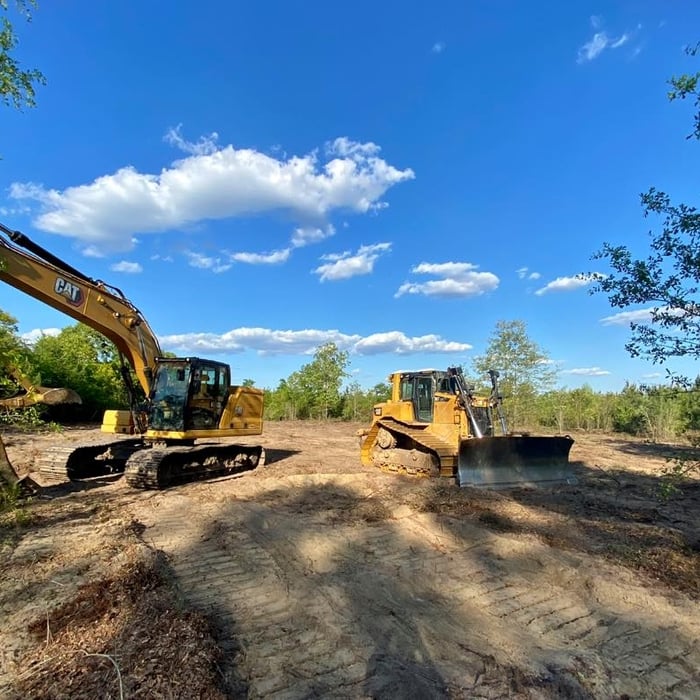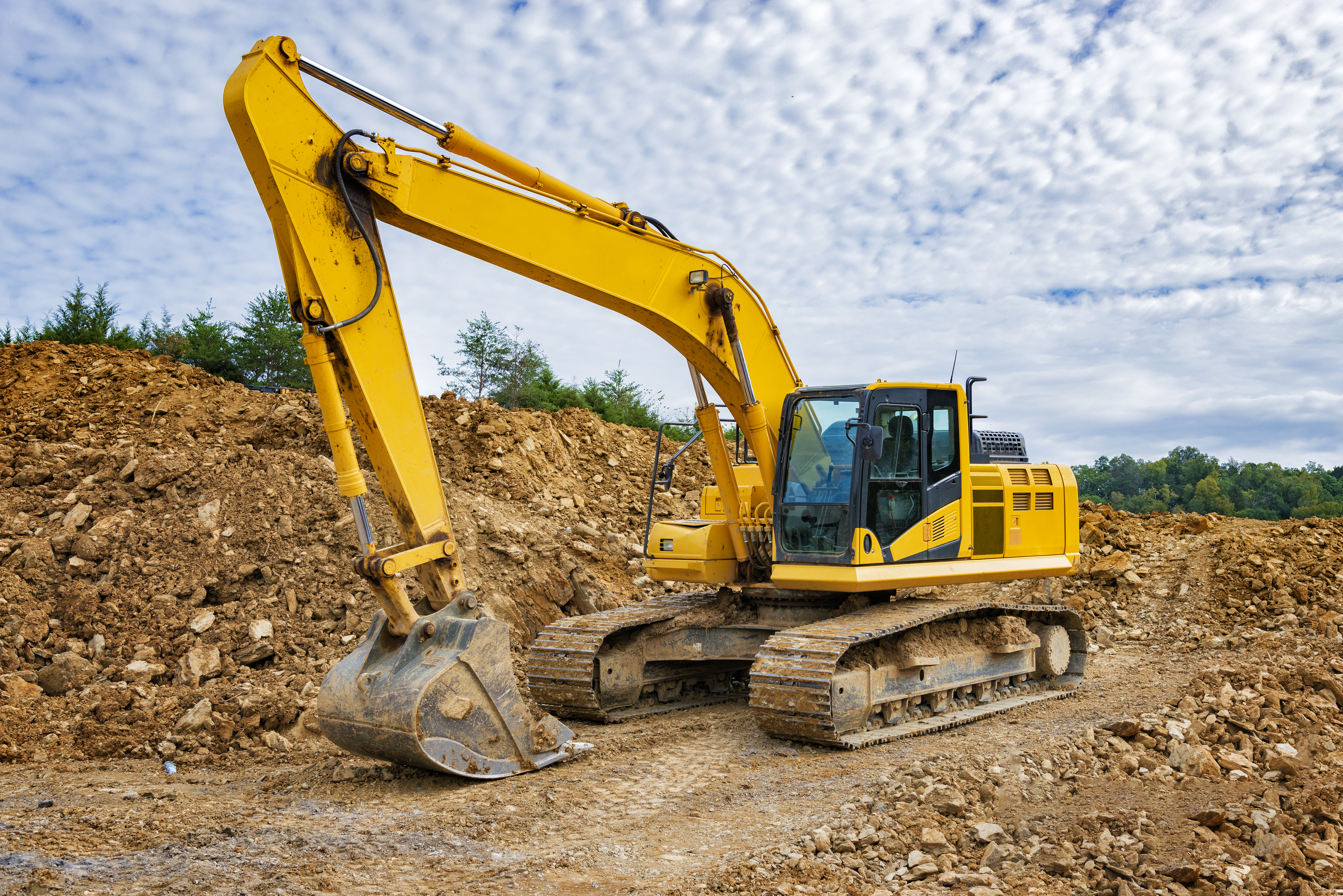


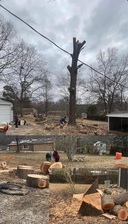




"We had a pond installed by Tim and his crew. The excavator operator / Foreman, Chad, was phenomenol to not only work with but to watch work. The whole process was easy and straightforward. My only complaint is that I didnt hire them sooner"
"This crew didn't waste any time. Once they arrived, they all grabbed equipment and started right in. They work hard, do a good job and clean up when they're done. I will definitely hire them again in the future."


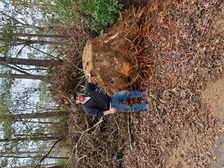
"JJ arrived on time and grinded down over 20 stumps. He left our yard easy to plant seeds so we can mow. Now our backyard is much more eye pleasing. Thank you so much. Would highly recommend using . Mike&Bettie"
"Great guys - came out very quickly for a project that demanded fast attention - fixed our irrigation system within hours of contact. I will use them again! Thanks!"
"Lee was very professional. Provided me with detailed estimate and completed the job in the time we agreed upon. Would definitely do future business with this company."
Depth is not a qualifying component of evacuation. Any human-made cut, cavity, or depression in the earth’s surface is considered excavation. The hole from excavation can be any size, shape, or depth. Excavation is used to create foundations, reservoirs, drainage ditches, and roads. Long, narrow excavations are called trenches and are often used for underground utilities.
A crawl space can be as little as 42 inches below the grade of your house, but this is not always recommended in flood-prone areas. At a minimum, there must be at least 16 inches of clearance between the ground and the floor joists to access the space in an emergency.
Call 811 to locate and mark the gas lines at least three days before digging. In many areas, you can dig within 18 inches of the lines, though in some locations, the distance may be further. Check local regulations, as you may need a utility company representative onsite when digging. Document your calls to 811 and precautions taken to avoid gas lines. A homeowner can be held liable for hitting a gas line in some cases, but contacting the proper authorities and following all guidelines can offer protection.
To locate an underground downspout, you should start by identifying where the above ground gutter drains. Look for an entry point, such as a pipe or elbow leading into the ground. Follow the surface path for signs like depressions, landscaping disruptions, or wet areas after rain. You can use a metal detector or plumber’s snake to trace the pipe underground. For deeper pipes, a professional locator tool or camera inspection may be necessary. Visual markers or utility maps can also guide the search.
Yes, you can install a trench drain if you already have concrete in your yard or garden. While it can complicate some aspects of the job and slightly run up the cost, it is doable. Residential trench drains can be easily retrofitted to outdoor areas with concrete without having to remove excessive amounts of your patio, pool area, or decorative walkways.
The Enoree, SC homeowners’ guide to excavation services
From average costs to expert advice, get all the answers you need to get your job done.
Excavation costs $1,500 to $6,300 for most residential projects—but it depends on factors like the size of the area. This guide will help you plan a budget.
You can't have an in-ground pool without digging into the ground. How much does pool excavation cost, and can you take it on yourself? Our guide explains.
Picking the right pro can make or break your project. Learn how to hire an excavation pro with the qualifications and skillset to do the job efficiently.