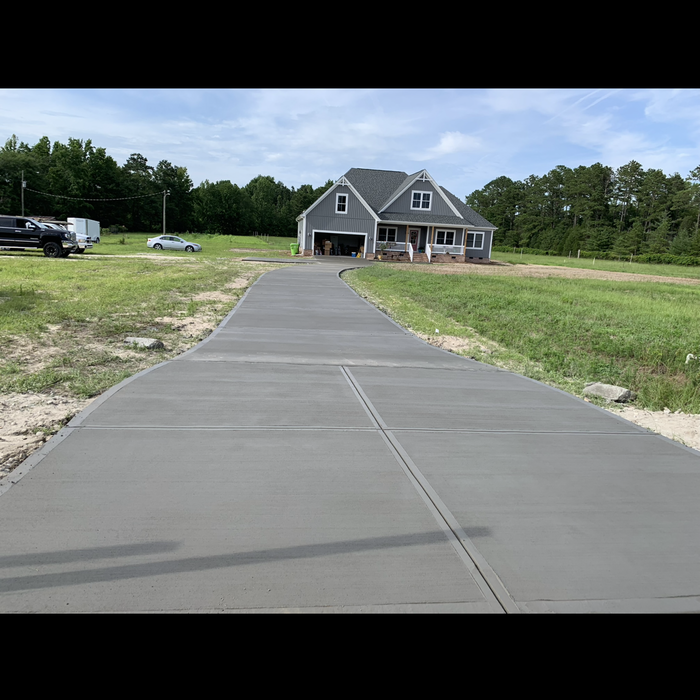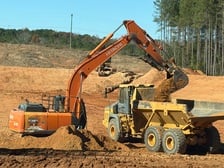





Top-rated excavation pros.

Best excavation pros near Kinards, SC

Enter your zip and get matched with up to 5 pros

Need a pro for your excavation project in Kinards, SC?

Select your specific project to find the pro for you.

Top-Rated Excavation pros in Kinards - Updated Nov 2026

Avatar for A.C. Earthworks
A.C. Earthworks
5.0(
3
)
Building Site - Preparation and ClearingLandscape - Minor Grading or Resloping

Serving Kinards, SC and surrounding areas

Approved

In business since 2025

Free estimates

Offers commercial services

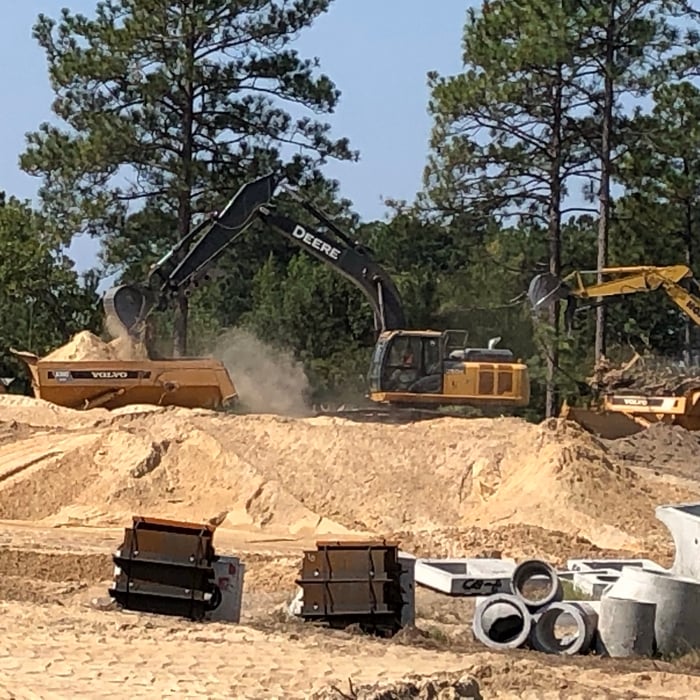
"A.C. Earthworks was great to work with from start to finish. They kept me informed throughout the entire process, explained their plan clearly, and followed through on everything they promised. I’m very happy with the quality of their work and would definitely use them again for future projects."
Gallery
7 neighbors recently requested a quote
Avatar for Looper Residential Construction Management
Looper Residential Construction Management
5.0(
1
)
Landscape - Minor Grading or Resloping

Serving Kinards, SC and surrounding areas

Approved

Free estimates

"Noah provided me a quote and was able to come out the next day to take care of my removal. He was perfectly on time, professional, and friendly. I would definitely use his company again for future projects. Thanks!"
5 neighbors recently requested a quote
...
Showing 1-10 of 103
Excavating FAQs, answered by experts

In the United States, a depth of 36 inches (three feet) for underground water lines is the accepted industry standard. This depth varies from location to location based on local conditions. In areas with colder winters, they may be buried deeper to prevent frozen well water pipes : This is usually at least six inches below the frost level. The International Plumbing Code calls for a minimum of 12 inches below grade.

If you don’t wish to dig it out and convert it into a finished basement, you can still encapsulate your crawl space to protect it from damage for an average cost of $5,500. Finishing a crawl space beyond this isn’t really worthwhile, as the low ceilings mean you won’t be able to use the area as living space.

The easier way to find buried sprinkler lines is to use the plan from the professionals who installed the system. If you don’t have professional plans, listen for running water on your lawn when you turn on the system. You may also spot wet areas, giving you an idea of where the heads are. Once you find the sprinkler heads, you’ll likely be able to connect the dots between them, revealing the system below.

A walk-behind trencher can cut through roots as long as they’re not too thick, making a project much easier than digging with a shovel and other hand tools. Assess your terrain and the number of trees in the surrounding area to determine if a walk-behind trencher will ease the job. Digging a trench by hand is much more time-consuming and labor-intensive. 

Tree experts don’t advise against digging through tree roots, but instead encourage caution and consultation with a local arborist to make sure you don’t damage the tree’s structure or interrupt its water or nutrient intake. An arborist can recommend specific practices when digging and help prune the roots or dig a trench for utilities with a tool that can remove soil without touching the tree’s roots.

The Kinards, SC homeowners’ guide to excavation services

From average costs to expert advice, get all the answers you need to get your job done.