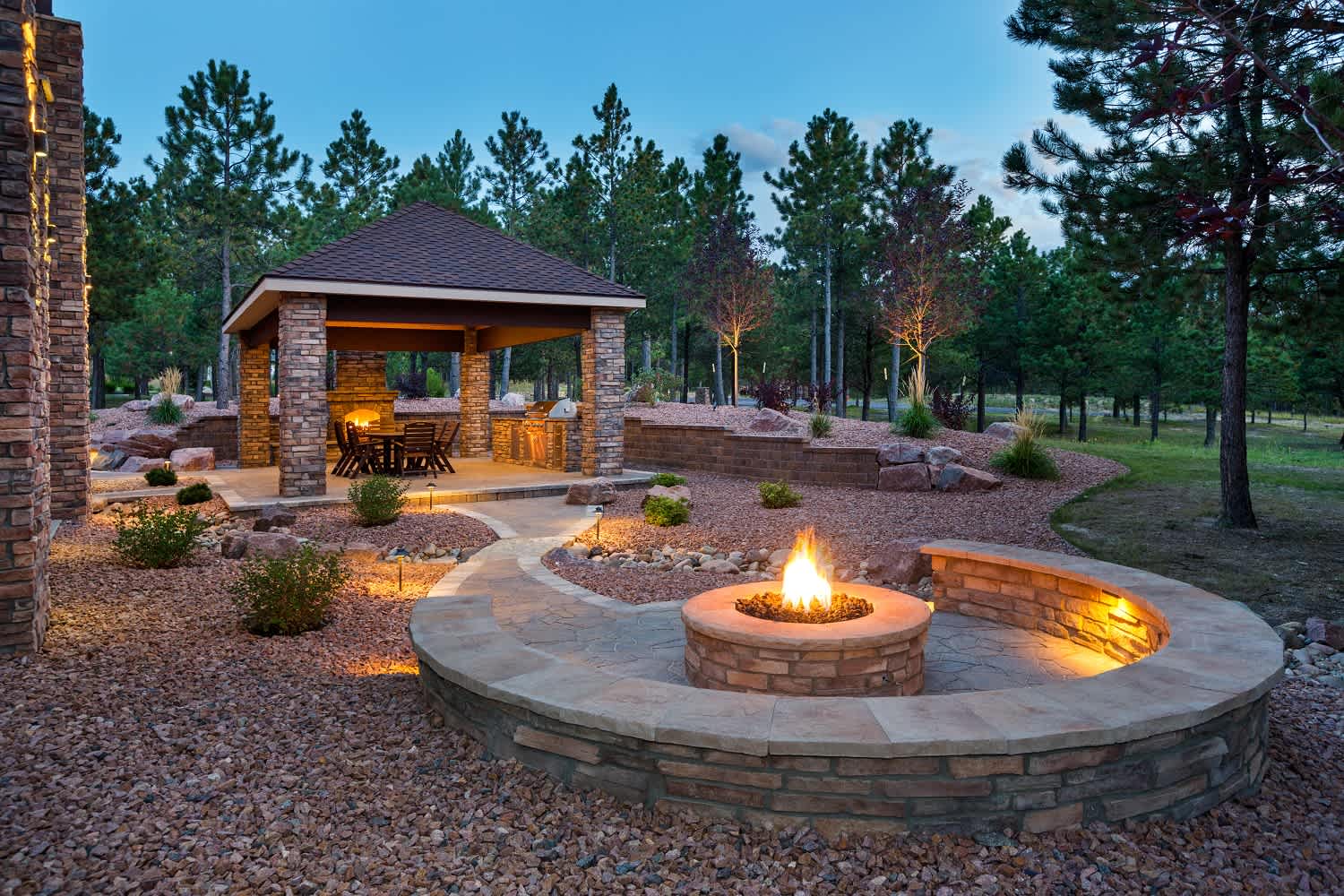



Top-rated fire pit installation pros.

Get matched with top fire pit installation pros in Shulerville, SC

Enter your zip and get matched with up to 5 pros

Need a pro for your fire pit installation project in Shulerville, SC?

Select your specific project to find the pro for you.

Find Fire pit installation pros in Shulerville

No results for Fire pit installation pro in

Try adjusting your search criteria.
Fire Pit Installation questions, answered by experts

You don’t have to put smoke detectors in every room. At a minimum, though, there should be one on every level of your home, one in every bedroom, and one in the hallways outside the bedrooms. If you have a floor without bedrooms, place a smoke detector in the living room or next to any stairs that lead to an upper level. Attics and basements should also have at least one smoke alarm.

Yes. It’s okay to leave a pellet stove on overnight, and these stoves can provide 24 to 48 hours of warmth from one ignition. However, you should practice proper pellet stove maintenance, like cleaning the burn pot before each use, deep cleaning the unit at least once per year, and running the fan when the stove is lit.

Yes, a faulty or broken light switch can be a serious fire hazard. Malfunctioning switches, often due to loose connections, exposed wiring, or overheating, can cause sparking or arcing. If you hear a crackling, popping, or hissing sound when you use the switch, it indicates live electricity arcing inside, which is a significant hazard that can ignite nearby flammable materials. If you suspect your light switch is faulty, turn off the power to that circuit at the breaker and contact a qualified electrician to remedy the issue.

EIFS has several disadvantages, primarily related to cost and moisture. The system tends to have higher upfront installation costs compared to other siding options, and repairs can also be expensive, especially if water damage occurs. A significant downside is its low breathability, which can trap moisture between its layers from either leakage or condensation. This trapped moisture increases the risk of developing mold and rot, which can lead to costly and extensive repairs if not addressed promptly.

Yes, you should seal and cap an unused chimney to protect it from damage. Sealing the structure helps prevent moisture damage, which can lead to issues like cracks, spalling, efflorescence, and damaged mortar joints. Capping the chimney is also crucial to prevent blockages, damage from invasive critters, and downdrafts, while still allowing for proper air ventilation to manage moisture. For the best results, consult a chimney professional to select the right type of chimney or flue cap for your home. It's also wise to continue with annual chimney inspections to maintain the structure's integrity.

The Shulerville, SC homeowners’ guide to fire pit installation services

From average costs to expert advice, get all the answers you need to get your job done.