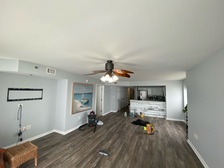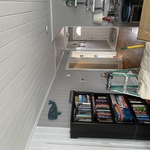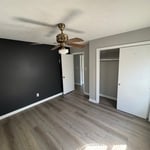







Top-rated drywall pros.

Get matched with top drywall pros in Nesmith, SC

Enter your zip and get matched with up to 5 pros

Need a pro for your drywall service project in Nesmith, SC?

Select your specific project to find the pro for you.

Find Drywall pros in Nesmith

Avatar for Watson Property Solutions
Watson Property Solutions
5.0(
7
)

Serving Nesmith, SC and surrounding areas

In business since 2017

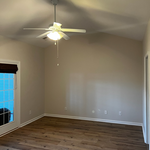
"We were very pleased with the work that was done. We were in process of selling our home and needed the interior painted. We needed cracks in plaster repaired, and some drywall repaired then painted. Mr Watson was very polite , listened to what we wanted, done the work in a timely manner and done neatly. I highly recommend Watson Property Solutions."

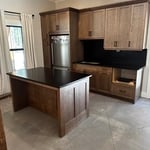
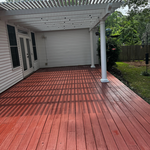
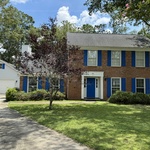
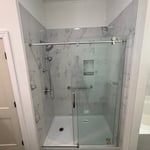
Was a long and intense project but we managed to pull it off and get to the point that makes its all seem worth it.
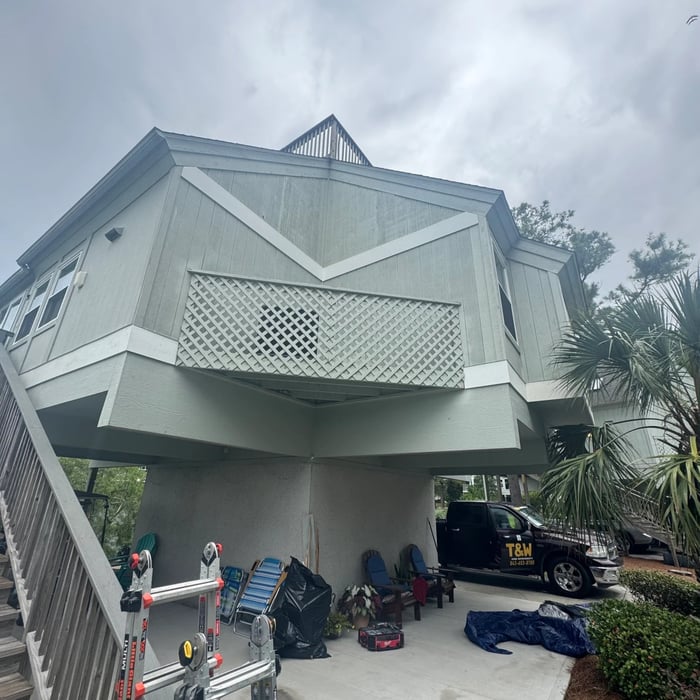
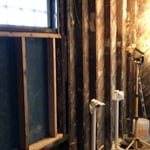
Before we touched a thing.
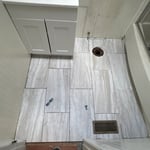
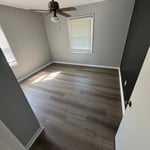
After intense demo and 5 inches of installation concerning the floor.
Before
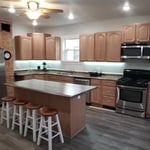
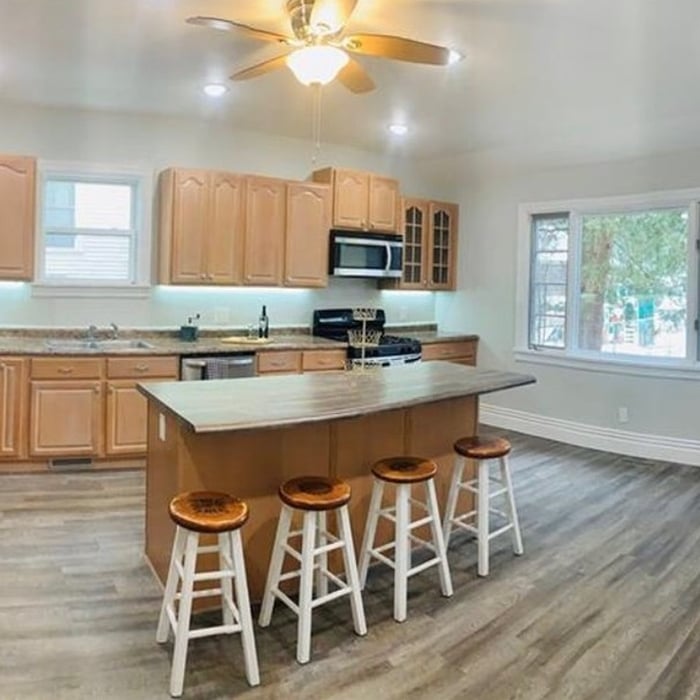
A very spacious kitchen along with a large island for more than enough room for for the family to Find themselves hanging back after dinner.

+4

Recommended by100%of homeowners
...
Showing 1-10 of 70
Drywall questions, answered by experts

It is more difficult to drywall a ceiling than it is to drywall a wall, but not so hard that DIYers can’t tackle it. One of the main issues with hanging drywall on your ceiling is getting it into place. Drywall isn’t light so, if you are hanging full drywall panels, you will need at least two (it’s better with more) people to hold the panel while you drill it into the ceiling as a single piece can weigh between 40 and 60 pounds and will need to be held in place for up to 10 minutes.

How you hang the drywall can affect the finishing process. It's often easier to finish horizontal drywall panels, as the seams run across the wall rather than up and down. Standard drywall panels are 48 inches wide, so the seam is easy to reach without bending down or stretching your arms.

Installing or repairing plaster on ceilings differs slightly from performing the same motions on a wall. You’ll apply slightly less plaster to lower the overall weight of the ceiling. Wall texturing is common, whereas most ceilings are smooth plaster. Tough coat plaster is strong, meaning you can use less while retaining a solid surface.

When doing a DIY paint job, it can be tricky to achieve the perfect, straight line between your wall and ceiling. There are several methods, including lining it with painter’s tape and using the “cut in” brush tactic. Some homeowners choose to apply a thin line of caulk to the wall-ceiling seam to create the appearance of a perfect line.

The two most common drywall thicknesses for ceilings are 1/2-inch and 5/8-inch. For most standard residential applications, 1/2-inch drywall is sufficient and widely used. It provides adequate support and is lighter and easier to handle during installation compared to thicker sheets. However, 5/8-inch drywall is often used for specific cases where additional benefits are needed. It is heavier but provides superior sound dampening and fire resistance. You should consider using 5/8-inch drywall for ceilings in commercial buildings, between a garage and a living space, or above a finished basement to meet building codes or for enhanced soundproofing.

The Nesmith, SC homeowners’ guide to drywall services

From average costs to expert advice, get all the answers you need to get your job done.