








Top-rated electricians.

Get matched with top electricians in Nesmith, SC

Enter your zip and get matched with up to 5 pros

Need a pro for your electrical service project in Nesmith, SC?

Select your specific project to find the pro for you.

TRUSTED BY NESMITH, SC HOMEOWNERS

  • Average homeowner rating star icon4.3
    Average homeowner rating
  • Verified reviews icon13
    Verified electrical services reviews

Find Electricians in Nesmith

J&J pro installer
New to Angi
Appliance (Major Electric Appliance) - Install or Replace

Serving Nesmith, SC and surrounding areas

Approved

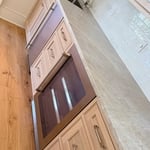
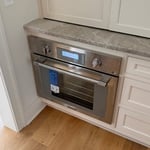
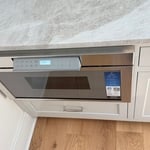
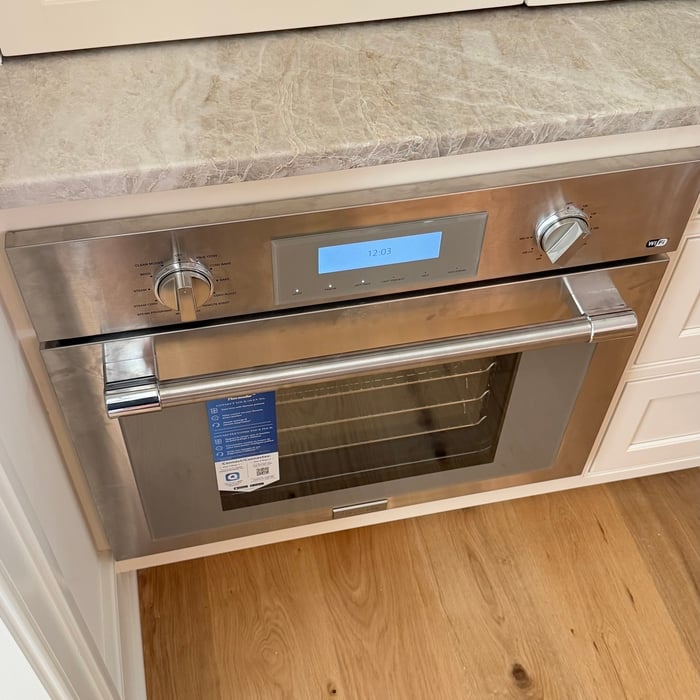
At J&j Pro Appliance Installer, we deliver a higher standard of appliance installation, combining precision craftsmanship with exceptional customer care. We specialize in the expert installation of premium residential appliances, ensuring every project is completed with meticulous attention to detail, safety, and manufacturer specifications. From luxury kitchen suites to everyday home essentials, our commitment to excellence guarantees a seamless installation experience and lasting performance. When you choose J&j Pro Appliance Installer, you’re choosing professionalism, reliability, and uncompromising quality from start to finish.

Kiawah island
Kiawah island
Kiawah island
Kiawah island
Kiawah island

+39

1 neighbors recently requested a quote

...
Showing 1-10 of 119
Electrical questions, answered by experts

A C-wire connects your thermostat to your household heating and cooling system to provide continuous 24V power. The furnace's transformer converts household electrical current into this low-voltage power to operate the HVAC system's circuitry. In most configurations, the C-wire connects to the terminals labeled "C" on both the furnace's low-voltage terminal block and the thermostat. In some cases, if a dedicated C terminal is unavailable, the C-wire can be connected to the "G" (fan) terminal at the furnace.

This type of conversion is easy—you’ll just need to upgrade to the correct amperage in your wires before wiring the new outlet. However, these projects can be tricky without intermediate electrical knowledge, so consider consulting a pro before flipping any switches on your circuit breaker.

Window AC units use a fair amount of electricity, but significantly less than central AC systems. Because they are more energy-efficient for cooling individual rooms or small spaces, their usage is comparatively low. On average, a window AC unit consumes between 500 and 1,400 watts, while a central AC system uses over 3,500 watts—meaning a window unit uses about one-third of the energy. This typically translates to a monthly running cost of $15 to $40, although this can vary depending on external factors.

There are several reasons why an electrical outlet would suddenly stop working, including:

  • Broken parts in the outlet

  • Outlet burnout

  • Circuit breaker tripped

  • Damaged circuit breaker

  • GFCI outlet tripped

  • Damaged or loose wires

  • Failed connectors

  • Appliance failure

Systems should be checked every 2-3 years or whenever signs of age appear, maintaining network integrity and safety at all times.

The Nesmith, SC homeowners’ guide to electrical services

From average costs to expert advice, get all the answers you need to get your job done.