





Top-rated masons.

Best masons near Manning, SC

Enter your zip and get matched with up to 5 pros

Need a pro for your masonry work project in Manning, SC?

Select your specific project to find the pro for you.

TRUSTED BY MANNING, SC HOMEOWNERS

  • Average homeowner rating star icon4.5
    Average homeowner rating
  • Verified reviews icon10
    Verified masonry services reviews

Top-Rated Masons in Manning - Updated Nov 2026

Avatar for Ram Jack of South Carolina, Inc.
Ram Jack of South Carolina, Inc.
4.2(
18
)
Concrete Foundation - RaiseConcrete Foundation - Repair

Serving Manning, SC and surrounding areas

Approved

In business since 2016

Free estimates

Credit card accepted

"Chris and John showed up as scheduled and did a very thorough job of assessing the water incursion problem I have. In the end, it was a problem that Ram Jack does not repair, but they told me what probably should be done to fix it. I certainly appreciate the fine evaluation they did and their advice. As an extra bonus, they were very pleasant to deal with!"
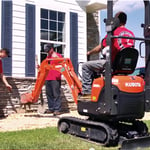
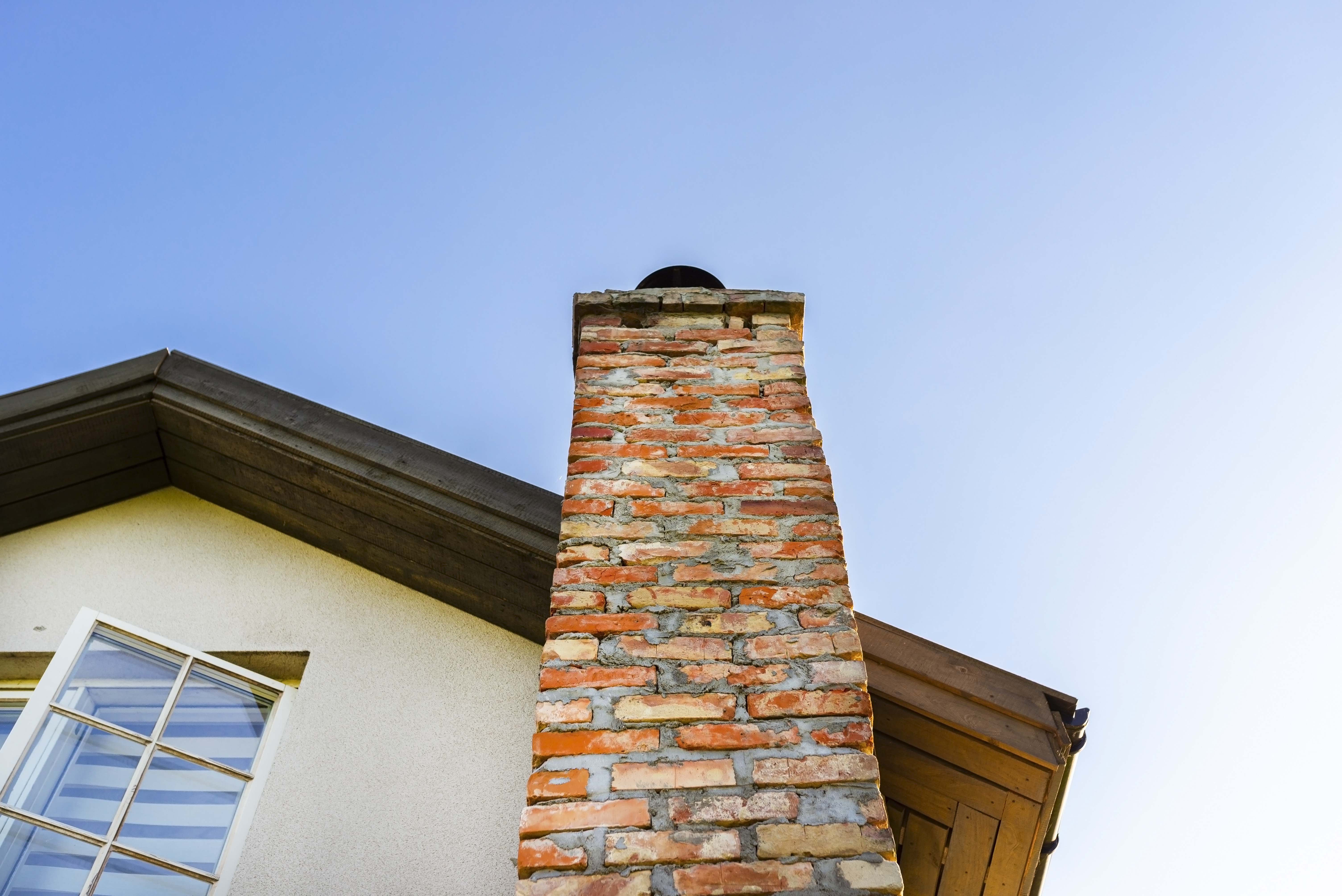
Leaning Chimney
Preperation
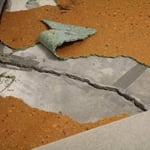
Cracked Slab
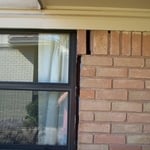
Cracks Around Window
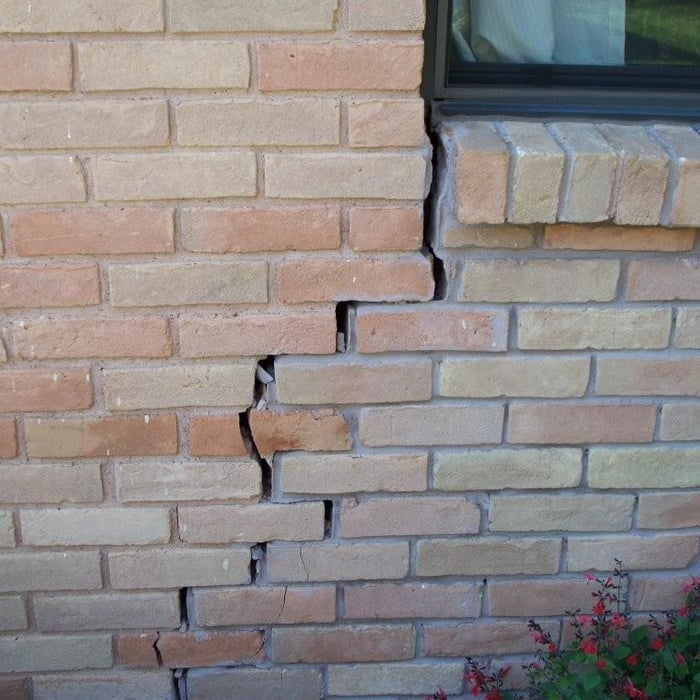
Cracks In Brick

+4

Response time1 day
Recommended by100%of homeowners

...
Showing 1-10 of 80
Masonry FAQs, answered by experts

Yes, concrete is significantly stronger than masonry, especially if the concrete pour includes reinforcements, like steel rebar. Concrete is a uniform material that can withstand compression, sheer force, and tensile force as long as it’s reinforced. Masonry involves the use of mortar or grout to connect individual building materials, like brick, stone, or tile. Mortar and grout are also reasonably strong and resist compression well, but they don’t come close to the strength of poured concrete.

Use fire bricks for a brick pizza oven. These bricks are typically used for fireplaces and chimneys as they can withstand high temperatures from heat sources. If you attempt to use any other kind of bricks, it’s likely that this material will crack from such high heat exposure in the best case—and potentially explode and cause serious harm in the worst case.

Spalling brick is not uncommon, but it does indicate a serious issue. It can be caused by water damage, an intense freeze-thaw cycle, or something else. Painted bricks can be susceptible to spalling, as the paint doesn’t allow the porous material of the brick to breathe, which can trap moisture. Spalling should always be addressed immediately before more serious structural damage occurs.

On average, a quality exterior brick stain can last between 10 and 20 years, and sometimes even longer. While it will look its best for a minimum of three to five years, its total lifespan depends on several factors. These include the quality and type of stain used, the condition of the brick, and the thoroughness of the surface preparation, such as proper cleaning. Following the manufacturer's application instructions and applying a sealant as a final step is also crucial. The stain's longevity can be affected by your location, climate, and the brick's exposure to harsh weather, high traffic, and other elements. Over time, the stain may begin to fade or look dingy due to weathering, erosion, dirt, and debris. Compared to paint, brick stain generally has a longer lifespan.

The difference between river rock and landscaping rocks is size, smoothness, and use. River rocks are smooth and flat, as if polished by water, and come in diameters between 1 and 8 inches. Landscape rock can vary in size from small pea gravel installations to car-sized boulders. However, landscaping and river rocks are interchangeable in many situations. River rock is best for pathways, walkways, garden bed mulch, water features, and planting accents, while small landscape rocks can serve as a walkway base, gravel playground areas, and filler between pavers.

The Manning, SC homeowners’ guide to masonry services

From average costs to expert advice, get all the answers you need to get your job done.