







Top-rated concrete resurfacing pros.

Best concrete resurfacing pros near Manning, SC

Enter your zip and get matched with up to 5 pros

Need a pro for your concrete resurfacing project in Manning, SC?

Select your specific project to find the pro for you.

Top-Rated Concrete resurfacing pros in Manning - Updated Nov 2026

Showing 1-10 of 19
Concrete Resurfacing FAQs, answered by experts

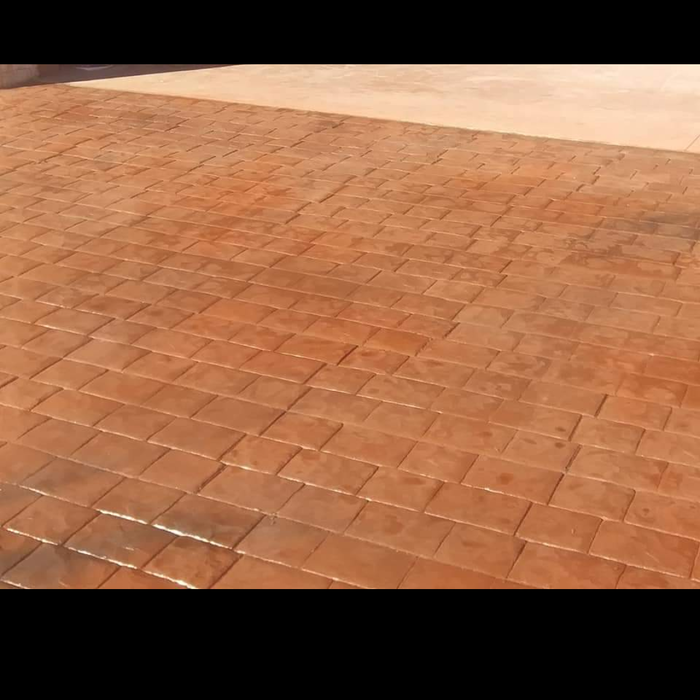
You can pour concrete over existing concrete and then stamp it to create an overlay. The old concrete must be prepared correctly for the new concrete to adhere properly and create a strong, stable surface. Stamping the new concrete creates a patterned finish that adds visual interest and an upscale feel.

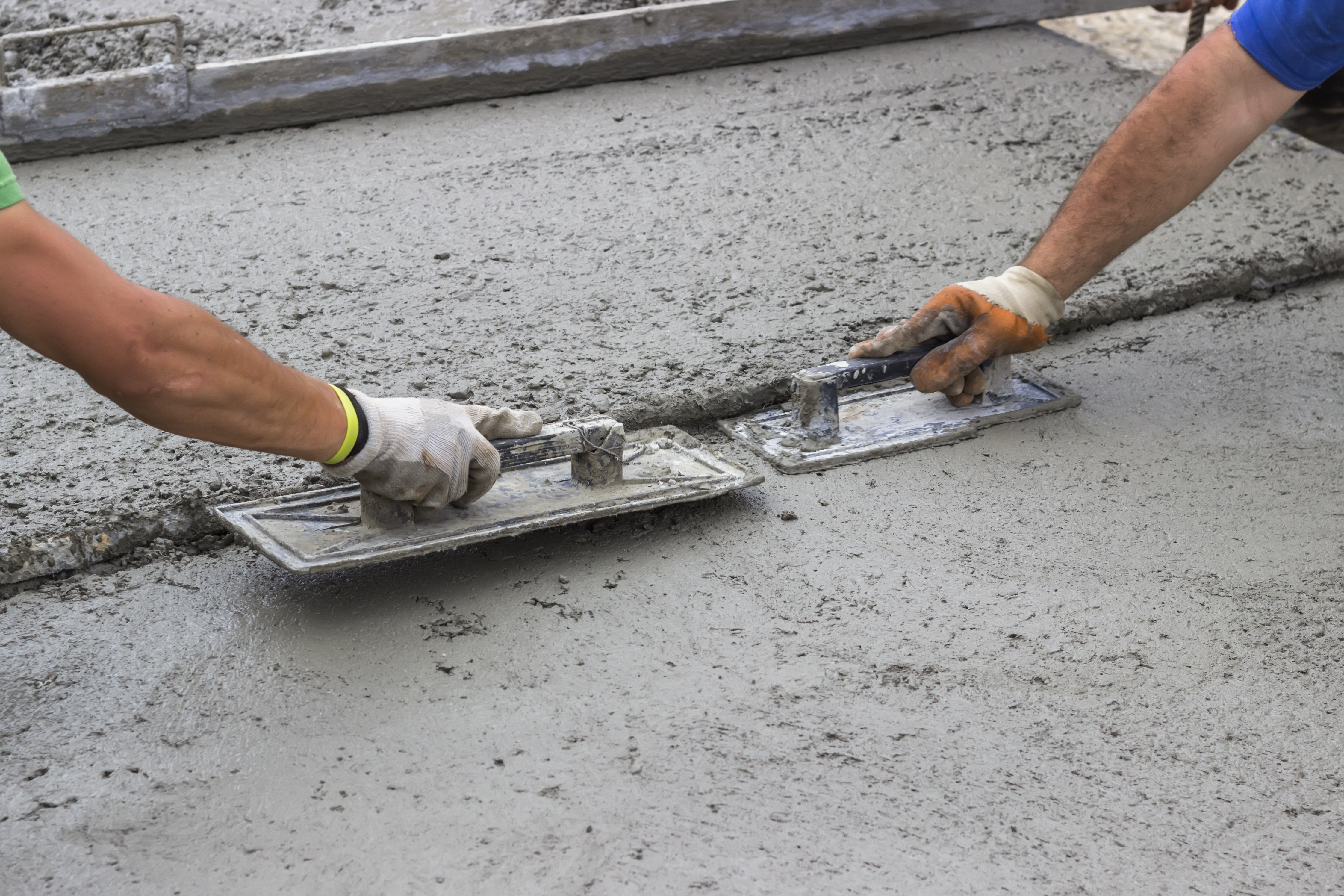
Concrete resurfacing is the process of applying a new, thin layer of concrete over an existing concrete slab to enhance its appearance and durability. The terms 'concrete resurfacing' and 'concrete overlay' are often used interchangeably, though the exact meaning can vary between contractors. Generally, both refer to applying a layer of pre-blended concrete, typically between 1/4-inch and 1-inch thick. Some contractors may use 'overlay' to describe a thicker application that adds structural integrity, while 'resurfacing' might refer to a thinner, more cosmetic layer. This process is a cost-effective alternative to completely replacing the concrete, as it uses significantly less material than pouring a new 4-inch slab. Resurfacing also provides an opportunity to add new colors or stamped textures. Other names for this process include concrete restoration, concrete refinishing, and concrete rejuvenation.

Sealing resurfaced concrete is not an absolute necessity. However, it is recommended, and in most cases, a high-quality concrete sealer can protect the surface from stains as well as water penetration, extending the life of the resurfacing material. Some sealers are formulated to protect pigments from fading due to UV exposure. Sealer tends to enhance the colors in decorative resurfacing applications, making them more vibrant and richer compared to the duller, more faded appearance of concrete colors without sealer.
How often you should resurface your pool deck depends on its material and condition. Concrete pool decks should be resurfaced every two to five years. Decks that are exposed to harsh heat and UV light may need to be sealed more often than ones that are mostly shaded.

Whether resurfacing concrete is worth the cost depends on the condition of the underlying slab. Resurfacing can be a good option if the concrete is in decent condition with only minor issues like standard wear and tear, small cracks, chips, or discoloration. In these cases, resurfacing adds a protective layer that can extend the concrete's lifespan without the high cost of a full replacement.

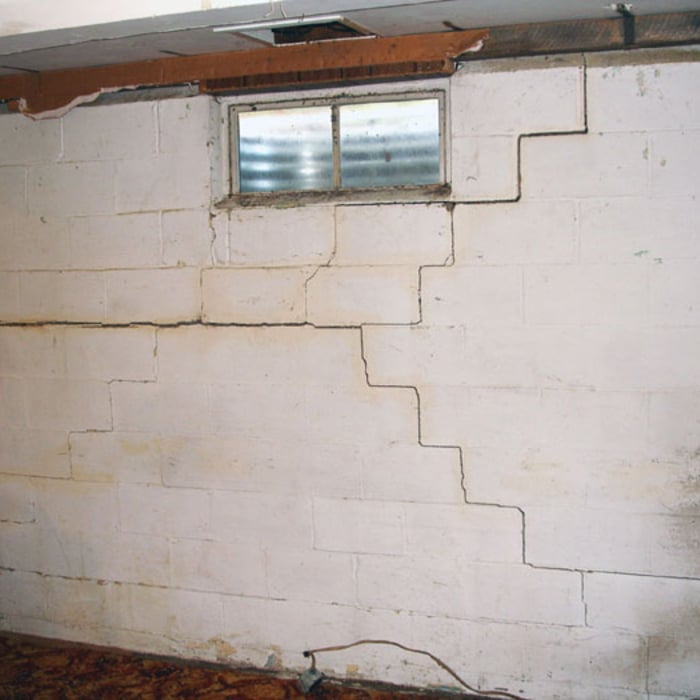
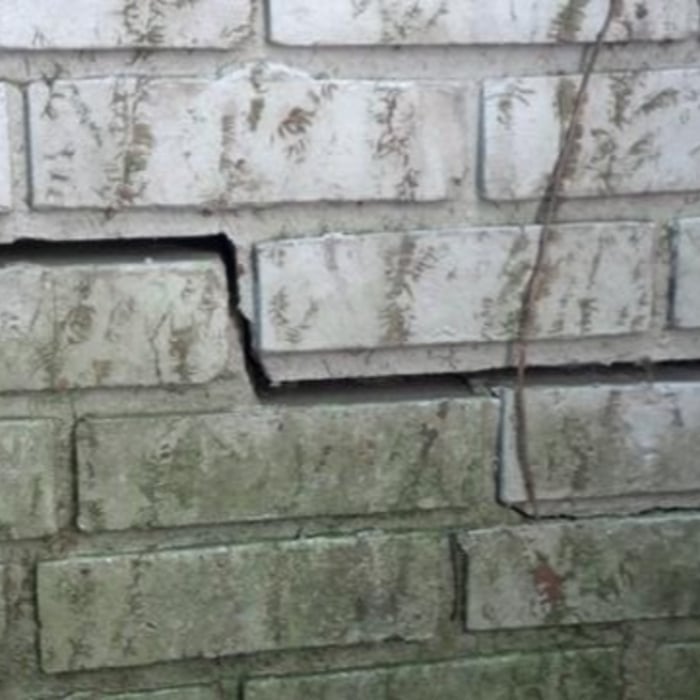
However, if the concrete has significant damage—such as deep cracks, peeling, sinking, or is broken up—resurfacing may not be worth it. The new overlay is only as good as the concrete beneath it, and existing problems like peeling and cracks are likely to show through the new surface. In situations with severe damage, replacing the entire slab is often more cost-effective in the long run and will yield a better result.

To make the best decision, it's recommended to have a licensed concrete specialist inspect the damage and determine if resurfacing is the right choice for your situation.

The Manning, SC homeowners’ guide to concrete resurfacing

From average costs to expert advice, get all the answers you need to get your job done.