

Top-rated excavation pros.

Get matched with top excavation pros in Johnston, SC

Enter your zip and get matched with up to 5 pros

Need a pro for your excavation project in Johnston, SC?

Select your specific project to find the pro for you.

Find Excavation pros in Johnston

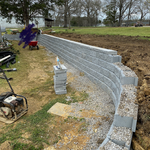
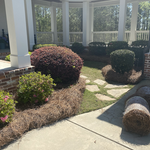
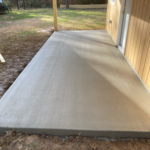
Palmetto Property Improvement
New to Angi
Landscape - Minor Grading or Resloping

Serving Johnston, SC and surrounding areas

Approved

Hi, I’m the owner of Palmetto Property Improvement. We help homeowners and property owners keep their outdoor spaces clean, maintained, and looking their best. We specialize in lawn care, landscaping, property cleanups, and junk/waste removal.\nWhether you need routine lawn maintenance, help cleaning up an overgrown property, landscaping improvements, or unwanted items hauled away, we’re ready to get the job done. We take pride in being dependable, working hard, and treating every property like it were our own.\nOur services include: • Lawn mowing & maintenance\n• Landscaping & yard improvements\n• Brush, debris & yard waste removal\n• Junk & unwanted item removal\n• Garage, yard & property cleanouts\n• General property cleanup\nNo job is too small—if you have a property that needs some attention, reach out to Palmetto Property Improvement for a quote. We’d be happy to help you get your property cleaned up and looking great again.

...
Showing 1-10 of 100
Excavating questions, answered by experts

Trenching and boring are two distinct methods for installing underground utilities. Trenching involves digging a channel using equipment like an excavator, trencher, backhoe, or shovel. While it is a simpler process, it causes significant disruption to the surface, landscaping, and surrounding ecosystems.

Boring, also known as directional boring, is a less invasive alternative that uses a drill to create a tunnel for utility lines without disturbing the surface. This method is more precise and is ideal for installations that need to go underneath buildings, roads, or bodies of water. Although boring is less disruptive, it is generally more expensive than trenching.

Yes, you can technically make a crawl space liveable, but the only way to do so is by converting it into a basement. While some crawl spaces are big enough to walk through and store large items, they lack appropriate insulation and space to be liveable.

The rules for trenching and excavation include setting up and following safety protocols, learning how to use tools and machines properly, and ensuring there is a safe exit for all workers. Keep heavy equipment and materials away from the edge of the hole or trench. Call the 811 dig line before starting any excavation or trenching project to ensure you don’t hit any electrical or gas lines.

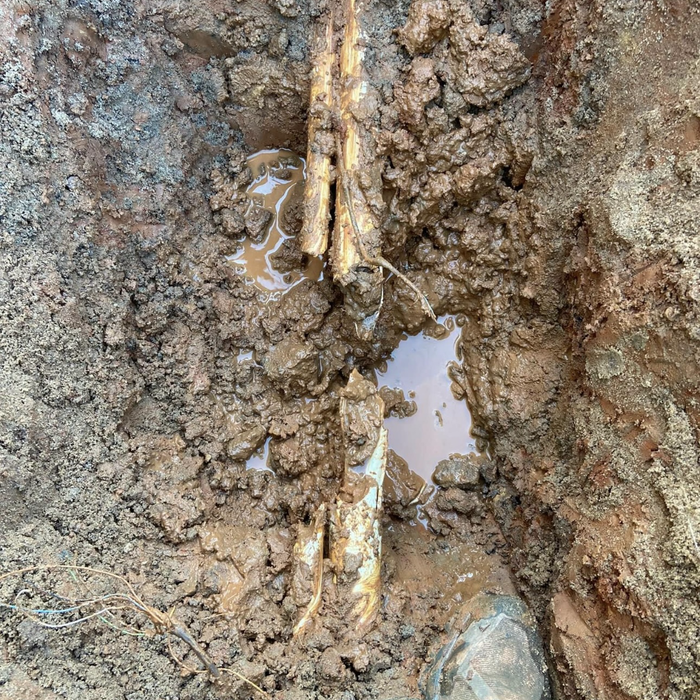
Water lines are buried at various depths, depending on the type of line. For example, most sprinkler lines are buried between four and 12 inches underground. On the other hand, water mains usually sit between one and 3 feet below ground. However, they can go even deeper in cold climates to prevent freezing.

The rules and regulations regarding groundwater use vary between states. To find out if you can dig a well on your property, you’ll have to consult these regulations, address any compliance requirements, and get the appropriate permits. It’s also important to check that your intended location has the right geology and water table to support a well.

The Johnston, SC homeowners’ guide to excavation services

From average costs to expert advice, get all the answers you need to get your job done.