






Top-rated energy efficiency auditors.

Best energy efficiency auditors near Wind Gap, PA

Enter your zip and get matched with up to 5 pros

Need a pro for your energy efficiency auditing project in Wind Gap, PA?

Select your specific project to find the pro for you.

Top-Rated Energy efficiency auditors in Wind Gap - Updated Nov 2026

Avatar for Tomahawk Building Performance, LLC
Tomahawk Building Performance, LLC
4.6(
4
)
Energy Audit - For BusinessHome Energy Audit

Serving Wind Gap, PA and surrounding areas

Approved

In business since 2016

Free estimates

Customers say: Quick response

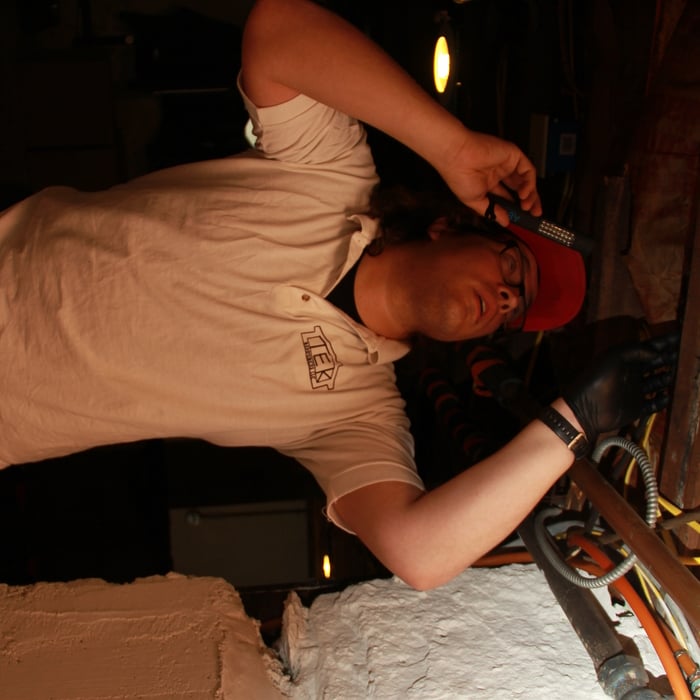
"Tom is an expert in this field. He is a wealth of information during the energy audit. He is complete and takes the time to ensure he is measuring things correctly and most importantly to answer any questions so you understand. You need to try this service if you live in an older house. Our house was like night and day after the insulation work in walls, floors, and some ceilings. The house was easier to heat. An added bonus was how quiet it became. Tom will come back in the spring for another energy audit after we finish some final work. This will find any gaps and help prove the benefits we have already seen. Tom came back and did a post review to confirm the steps and work. While we saw and felt results, the technical results were amazing. What great follow through by a contractor! I have hired him for again for additional work as he does other home efficiency recommendations and work besides insulation. Highly recommend using and taking his advice."
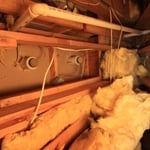
before air sealing
Loose fill Cellulose
Blower door test
Blower door
Basement inspection

+3

Response time4 days
Recommended by100%of homeowners

Avatar for Strictly Business Home and Commercial Inspections
Strictly Business Home and Commercial Inspections
4.4(
59
)
Energy Audit - For BusinessHome Energy Audit

Serving Wind Gap, PA and surrounding areas

In business since 1984

Free estimates

Credit card accepted

"Ira was cordial and professional. He has practical experience and knowledge of residential energy audits. He was able to provide useful suggestions but not definitive solutions to issues. That may have been due to inaccessible interior walls. I am frustrated that a full written report that had been promised still has not been produced six weeks later."
Response time7 hrs
Recommended by77%of homeowners

Showing 1-10 of 18
Energy Efficiency Auditing FAQs, answered by experts

Leaving vents open but closing doors in unused rooms will probably not save money on your energy bill. Closed doors prevent the natural flow of air throughout the home, which could reduce the efficiency of the overall HVAC system. They could also restrict airflow into and through the return vents, making the HVAC system less efficient.

Leaving lights on raises the electric bill, but not as much as having high-wattage light bulbs. The best way to save on electric costs is to swap your light bulbs to LED or CFL bulbs that use far fewer watts. You can also use smart lights and light switches to control usage via a smartphone or voice-controlled device.

Provide utility bills and clear access to all areas of the home, including the attic and basement.

They’ll use more electricity than the average upright vacuum, but not remarkably more. Most power units plug into a standard 120-volt outlet and don’t have significant power demands. You shouldn’t notice an increase in electricity bills. If you have any specific questions about energy costs, ask your installer as you examine purchase decisions. Larger power units will need more electricity for their suction levels.

To determine the right size generator for your house, you should calculate the total wattage of the appliances and devices you want to power during an outage. List all essential items, note their start-up wattages, and add them together.

Here are some typical wattage requirements for common appliances:

  • Refrigerator: 600 watts

  • Large dehumidifier: 700 watts

  • Large window air conditioner: 1,400 watts

  • Water heater: 3,000 to 4,500 watts

  • Electric furnace: 5,000 to 25,000 watts

A 7,500-watt generator might be sufficient for essentials like a refrigerator, freezer, well pump, and lighting circuits. However, for high-demand items like a water heater or furnace, a whole-home generator is a better choice. A portable generator may be enough if you only need to power a few critical items.

While home square footage can offer a rough estimate, it is not always a reliable indicator. For reference, here are some typical generator sizes based on square footage:

  • 1,000 sq ft: 6–9 kW

  • 1,500 sq ft: 7–10 kW

  • 2,000 sq ft: 10–14 kW

  • 2,500 sq ft: 12–16 kW

  • 3,000 sq ft: 16–20 kW+

For the most accurate sizing, consult a professional who can calculate your home's peak and average power consumption and recommend the optimal generator.

The Wind Gap, PA homeowners’ guide to energy efficiency auditing services

From average costs to expert advice, get all the answers you need to get your job done.