



La Familia Tree Removal
Energy Audit - For Business
Serving Alpha, NJ and surrounding areas
Approved
In business since 2020
Free estimates
Small jobs welcome
"Very professional and on point."
Response time6 hrs
Recommended by100%of homeowners

*The Angi rating for Energy Efficiency Auditing companies in Alpha, NJ is a rating based on verified reviews from our community of homeowners who have used these pros to meet their Energy Efficiency Auditing needs.
*The HomeAdvisor rating for Energy Efficiency Auditing companies in Alpha, NJ is a rating based on verified reviews from our community of homeowners who have used these pros to meet their Energy Efficiency Auditing needs.
Last update on December 19, 2025
Serving Alpha, NJ and surrounding areas
Approved
In business since 2020
Free estimates
Small jobs welcome
"Very professional and on point."
Serving Alpha, NJ and surrounding areas
In business since 1984
Free estimates
Credit card accepted
"Ira was cordial and professional. He has practical experience and knowledge of residential energy audits. He was able to provide useful suggestions but not definitive solutions to issues. That may have been due to inaccessible interior walls. I am frustrated that a full written report that had been promised still has not been produced six weeks later."

Serving Alpha, NJ and surrounding areas
In business since 1987
Free estimates
Emergency services offered
"We had purchased a de-humidifcation system for our basement through Frank Petrullo a few years ago. Once installed, gone were the days of having to constantly empty the bucket from our old stand alone unit. The new system was operating without a hitch until suddenly, it ceased functioning. We called Eco Green and explained the problem. Frank made sure that a service appointment was scheduled promptly. We didn't have to wait around for the technician to arrive as he came to our home as scheduled. The problem was identified - the culprit was our cat, who had taken a liking to the tubing and had managed to damage the system. There was little doubt in the technician's mind as to what had happened since our cat was kind enough to attack the unit in his presence!
The Eco Green technician devised a solution to protect the unit from our cat allowing our unit to resume functioning and keeping our basement dry.
We are very happy with the customer service and attention that we have received from Eco Green and gladly recommend this company.
"

Serving Alpha, NJ and surrounding areas
In business since 1979
Free estimates
Credit card accepted
"I live in and own a 2-family home that has flat rook and that is located in the Bronx, NY. I live in the lower unit and my tenants live in the upper unit, which is right below the roof. Our current and previous tenants would often complain that the rental unit felt cold when the temperature outside fell and my wife said that even when the indoor temperature in that unit was high, the unit felt drafty, which can make the unit feel colder than it actually is as the heat escapes through the roof rapidly. A contractor who installed kitchen for us in that unit told us that our roof had absolutely no insulation- something he saw when he installed the exhaust for range hood. So last year, I decided to call this company for a quote. My hope was that insulating the roof would significantly decrease the release of heat, which would make the unit warmer and reduce airflow (i.e., drafts). When I called, a really nice receptionist answered the phone, took my information down, and answered a few questions, and told me that the owner, Joe, would call me back either the same day or the next. The reason for this is that Joe is usually out doing roof insulations himself. When Joe called back, I was quoted a price of $3.00/square foot, but decided not to go ahead at that time. He was very nice and polite and is willing to answer lots of questions. He seems really passionate about his work and will describe in pretty significant detail what he does. This year, we decided to pull the trigger so we called back and received a quote of $2.50/square foot- a savings of $500 to insulate our 1,000 square foot roof. As you can imagine, that made me happy. We spoke on Friday and set up an appointment for Wednesday (5 days later). Joe and one of his workers arrived with their truck at 7:30 am and were finished by 9:45 am. The process was so much faster than I could have imagined. And, they didn't even have to come inside the house! Joey and his worker used a 40-ft tall ladder to scale the front of the house (it's 3 stories high) and to take their equipment up to the roof. Once up there, they used an electric saw to make a hole (they might have made 2) through which to blow in the insulation. The noise from the saw lasted about 10-15 minutes, after which the work they were doing was relatively quiet. I was actually really amazed at how non-intrusive the whole thing was and how quickly the job was completed. Joey made sure to show me exactly what kind of insulation he was using and gave me written materials about the product he was using (blow-in fiberglass). If Angie's List lets me update this review, I will definitely write back once we have experienced the insulation in cold weather to describe how well it is working."
+1

Serving Alpha, NJ and surrounding areas
In business since 1968
Free estimates
Emergency services offered
"David was our serviceman. He was extremely friendly and informative :-)
"

Serving Alpha, NJ and surrounding areas
In business since 1998
Emergency services offered
Credit card accepted
"This was an ongoing job, setting the generator up, etc. There was much co-ordination involved between the various factions and Mr Sparky was willing to come whenever he was needed.
"

Serving Alpha, NJ and surrounding areas
In business since 2003
Free estimates
Emergency services offered
"He came on time and we didn't have any real problem with them. We just got very busy and put a hold on it so we haven't used anyone yet. He had good reviews on Angie's List. He was very professional. He gave us a good onceover of everything we needed and got us a quote within a few days. He got to us at first and then it took a little while to get back to us. He was on time with showing up. We haven't made any decisions yet on who we are going to use."
+11
Serving Alpha, NJ and surrounding areas
In business since 2010
Free estimates
Emergency services offered
"Very well, timely service with high quality door and installation team. Several opportunities for questions and to inspect work. Provided paint for the door if we scratch or Knick the door."

+328

Serving Alpha, NJ and surrounding areas
In business since 2022
Free estimates
Credit card accepted
"They are in the process of sending out an engineer"




+3

Serving Alpha, NJ and surrounding areas
In business since 2017
Free estimates
Emergency services offered
"They did a real good job and had to change some of the venting. They were clean, neat, professional, and they explained everything in detail. I would highly recommend them and I would definitely hire them again."
From average costs to expert advice, get all the answers you need to get your job done.
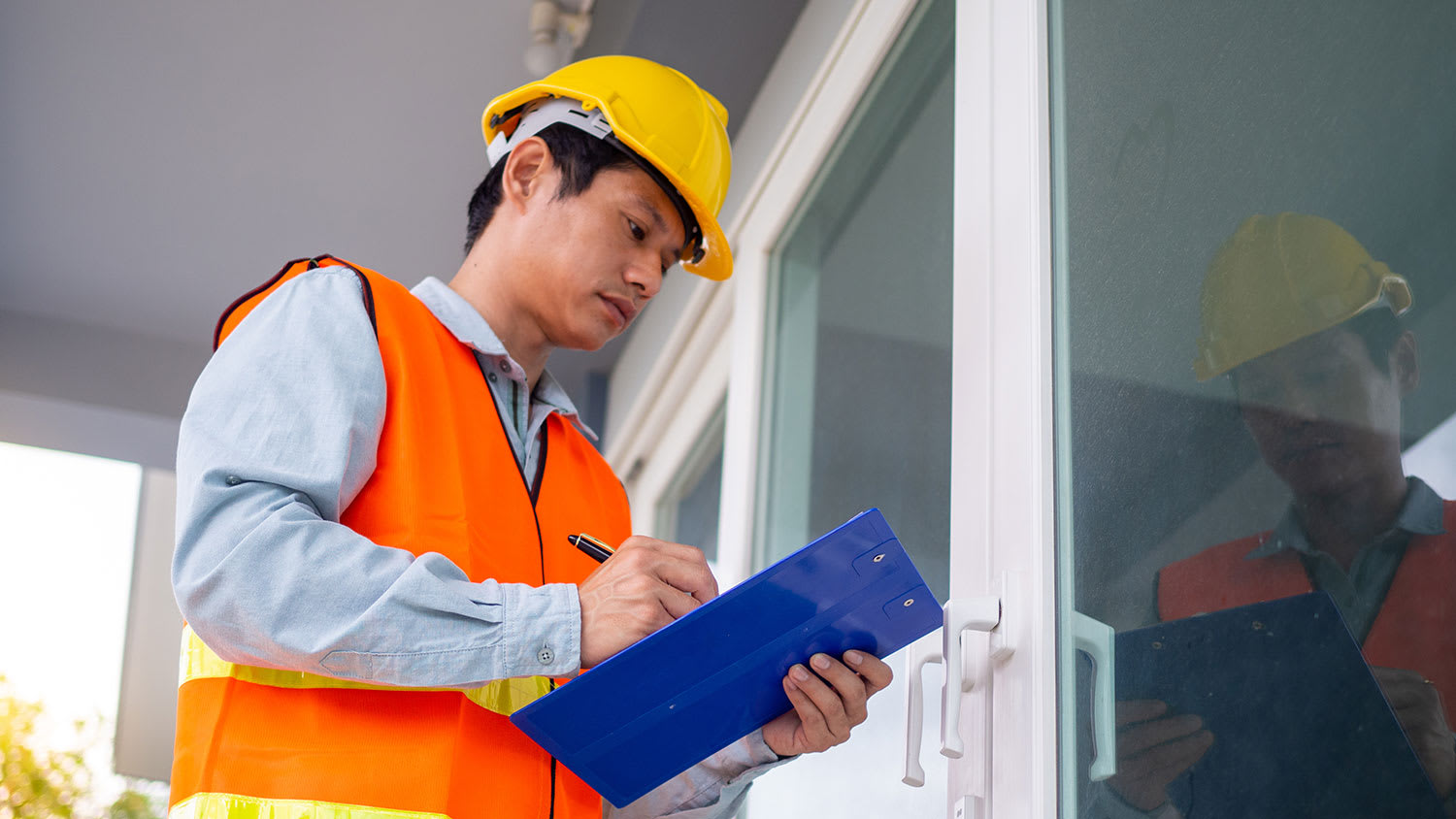
Discover the average home energy audit cost, what impacts pricing, and how to save money on your audit. Get transparent, expert-backed cost info for homeowners.
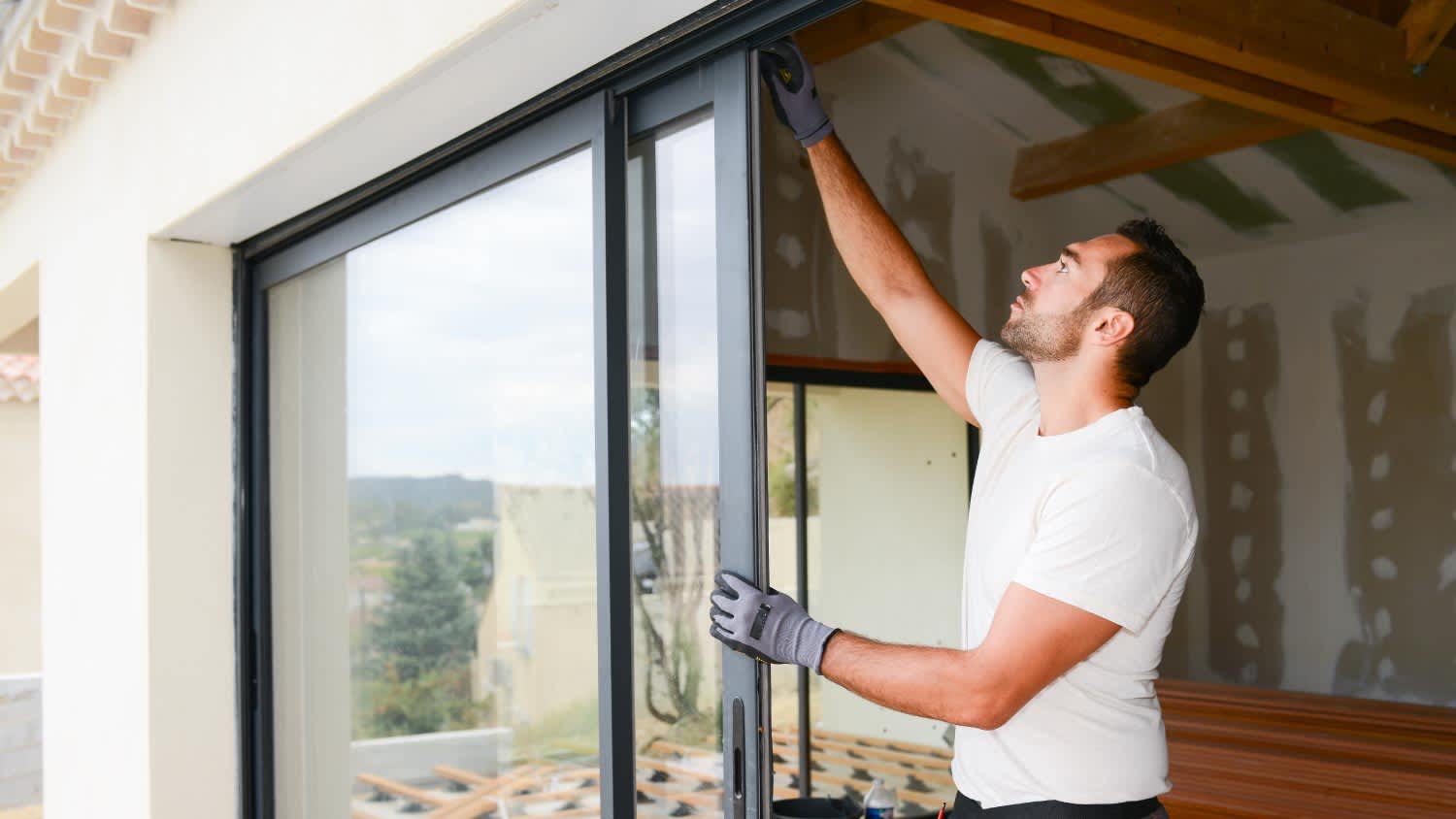
Discover the energy-efficient window costs. Learn about installation prices, cost factors, and tips to save money on your window upgrade.

How much is the average electric bill in the United States? Learn how much the average electric bill costs in your state and ways to reduce it.

Wondering what an energy audit is and how it can help keep you safe? Keep reading to learn about home energy audits and how they can save you money.

Home energy audits can identify ways to make your home more energy-efficient. Learn whether an energy audit is a good investment for your home.
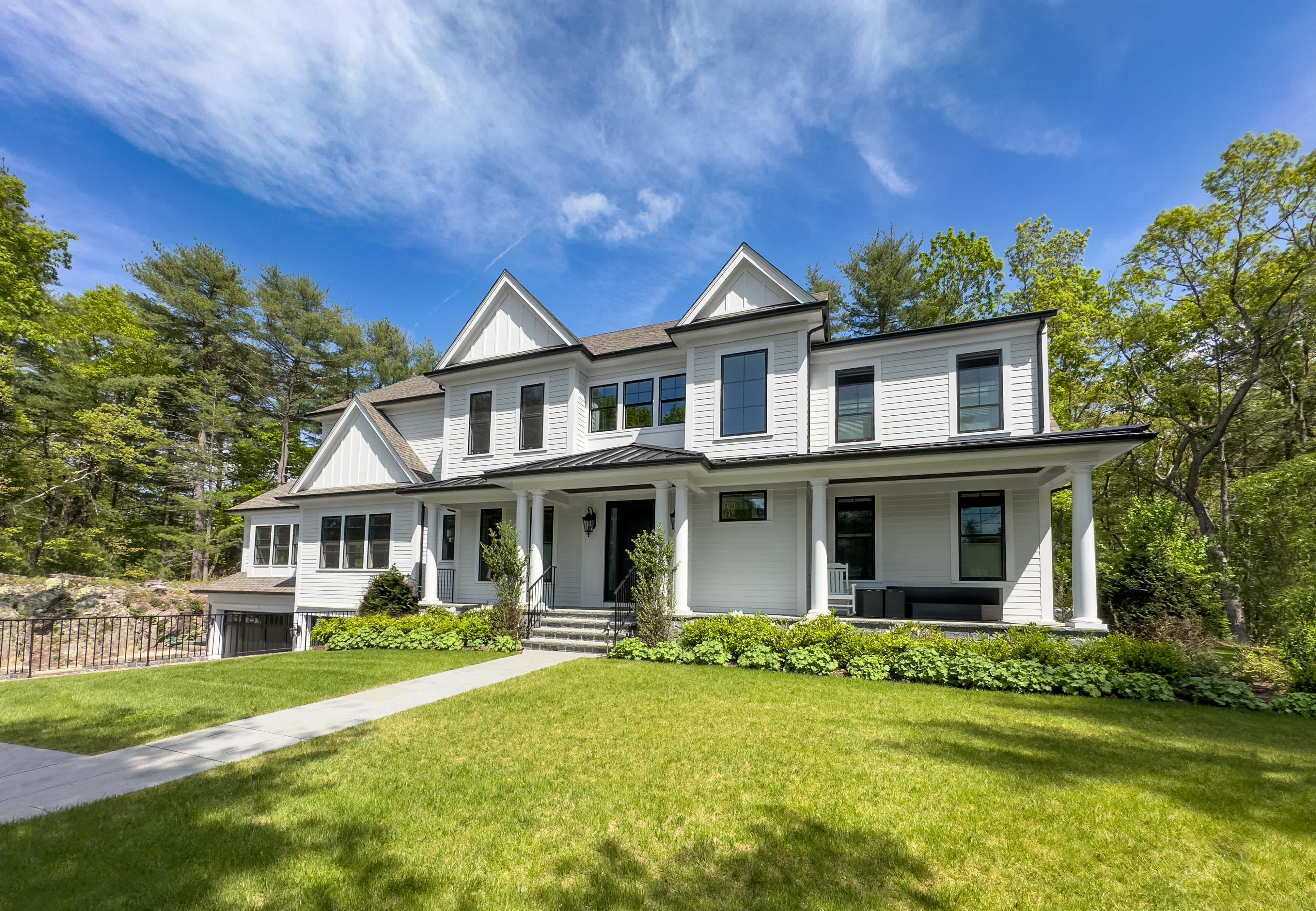
Thinking about scheduling a home energy audit? Learn how to improve energy efficiency, lower your utility bills, and hire the right local pro for the job.