


Top-rated radon detection and reduction specialists.

Get matched with top radon detection and reduction specialists in Quincy, PA

Enter your zip and get matched with up to 5 pros

Need a pro for your radon detection and reduction project in Quincy, PA?

Select your specific project to find the pro for you.

Find Radon detection and reduction specialists in Quincy

Avatar for Radon Protection Services of Gettysburg, Inc.
Radon Protection Services of Gettysburg, Inc.
4.5(
17
)

Serving Quincy, PA and surrounding areas

In business since 1988

Free estimates

Small jobs welcome

"I received 3 quotes from 3 different company's who are certified in radon and Mason Dixon was the highest by $170.00 plus they have a gravel clause in their contract while others did not which could cause the price to go up another $500."
Response time1 day
Recommended by100%of homeowners
Radon Detection and Reduction questions, answered by experts

Radon enters your home when warm air begins to rise and exits through the roof, creating a vacuum that pulls cooler air from under the foundation. Part of that air is radon, which is an invisible, odorless gas that develops naturally when radioactive particles are deep within the ground. Those particles usually come from decaying matter in soil and rocks.

Radon is a cancer-causing radioactive gas that poses serious health risks, infiltrating homes through foundation cracks and unnoticed spaces.

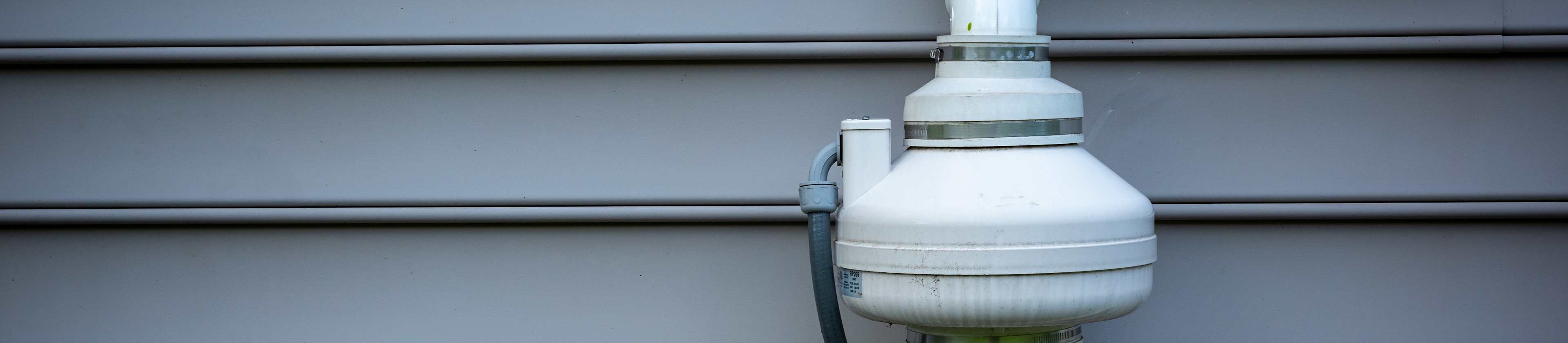
Installing a mitigation system reduces radon levels, which can cause lung cancer, providing peace of mind and long-term health benefits. It can also increase your home’s value, as many buyers prefer properties with radon safety measures in place. The investment is relatively low compared to the potential health risks associated with prolonged radon exposure.

If your home has a sump pit, you can integrate it with a radon mitigation system. You can accomplish this by sealing the pump cover with an airtight lid that accommodates radon vent pipes and sump pump hoses. This allows the vent pipe to redirect the radon gas outside of your home.

Radon is present almost everywhere but, like sunlight, the concentration levels and how often you are exposed to it have a large part to play in just how dangerous it is. There are levels of radon that are acceptable inside a house, but above a certain limit, radon becomes a serious radioactive hazard that is a known cause of lung cancer. In fact, radon exposure is the number two leading cause of lung cancer (after smoking).

The Quincy, PA homeowners’ guide to radon detection and reduction services

From average costs to expert advice, get all the answers you need to get your job done.