




Top-rated radon detection and reduction specialists.

Get matched with top radon detection and reduction specialists in Peters, PA

Enter your zip and get matched with up to 5 pros

Need a pro for your radon detection and reduction project in Peters, PA?

Select your specific project to find the pro for you.

Find Radon detection and reduction specialists in Peters

Avatar for Flood Crew LLC
Flood Crew LLC
4.6(
40
)
Radon Gas - AbatementRadon Gas - Testing

Serving Peters, PA and surrounding areas

In business since 2008

Free estimates

Emergency services offered

"I had a pipe burst in the basement of our rental property, Flood Crew was referred by our realtor. They arrived quickly after the pipe was fixed by our plumber, demoed, and dried out the areas, even handled packing out our furniture and placing carefully in a pod storage while the work was being done. They did mold testing and made sure everything was safe, the best part was that they dealt with the insurance and we didn’t have to do anything."
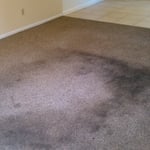
After carpets were cleaned.
Before and after of Medallion
After color sealed
Apartment carpet cleaning
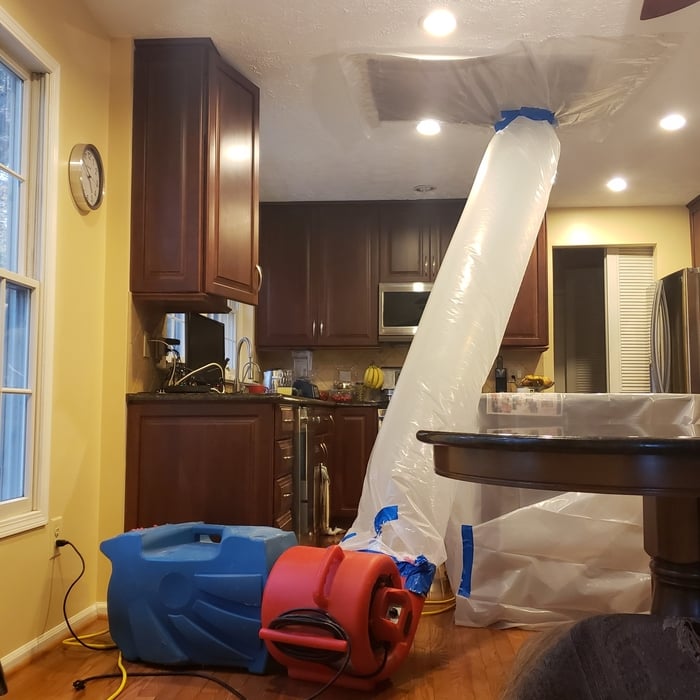
Drying bathroom wood subfloor from kitchen using indirect control heat, controlled by thermostat we set in place

+57

Recommended by88%of homeowners
Radon Detection and Reduction questions, answered by experts

Radon enters your home when warm air begins to rise and exits through the roof, creating a vacuum that pulls cooler air from under the foundation. Part of that air is radon, which is an invisible, odorless gas that develops naturally when radioactive particles are deep within the ground. Those particles usually come from decaying matter in soil and rocks.

The lifespan of a radon mitigation system depends on the type of system and its maintenance. With proper care, a system can last for many decades. Passive systems tend to last longer as they have fewer components that require replacement. Active systems, which have more moving parts like fans, generally have a shorter lifespan. For instance, water filtration devices and active pressurization systems require more frequent maintenance. While the system as a whole is durable, the radon fan in an active system typically has a lifespan of 5 to 10 years and will need to be replaced. As long as the fan is working, the mitigation system should function correctly.

Ideally, no one will live in a house with elevated radon levels, as prolonged exposure increases the risk of serious health issues like lung cancer. However, homes with radon can be made safe through mitigation systems, such as active soil depressurization. Testing for radon regularly and addressing high levels helps ensure a safe living environment.

Long-term exposure increases lung cancer risks. Prolonged homestay individuals and smokers encounter heightened vulnerability and exposure concerns.

No level of radon is technically safe, but since it is present everywhere, complete avoidance is impossible. The average radon level in homes across the United States is 1.3 picocuries per liter (pCi/L). The Environmental Protection Agency (EPA) recommends taking preventative measures if your home's radon levels are between 2 and 4 pCi/L or higher.

The Peters, PA homeowners’ guide to radon detection and reduction services

From average costs to expert advice, get all the answers you need to get your job done.