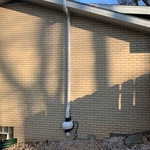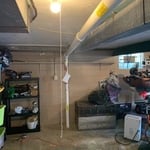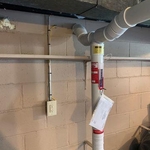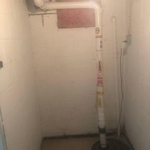




Top-rated radon detection and reduction specialists.

Get matched with top radon detection and reduction specialists in Plum, PA

Enter your zip and get matched with up to 5 pros

Need a pro for your radon detection and reduction project in Plum, PA?

Select your specific project to find the pro for you.

Find Radon detection and reduction specialists in Plum

Home Pro
4.7(
14
)

Serving Plum, PA and surrounding areas

In business since 1986

Free estimates

Credit card accepted

"In Conclusion,
   the service was on time, professional, complete, and well done. Tom was on time within 15 minutes (which is acceptable to me). He began work without wasting time, while explaining what he was doing at every step. He gave tips when appropriate. He was professional and had all necessary equipement on his person.
I would recommend this service. 
In addition, for an additional $100.00, Homepro will return to make sure that the seller has completed the necessary repairs prior to closing. This feature is useful if you do not trust the seller or selling agent. We did not elect this service, but, it was nice to know that it was available.
"
Recommended by100%of homeowners
Radon Detection and Reduction questions, answered by experts

The average radon mitigation system uses about 876 kWh of electricity per year, although the exact amount of electricity used will vary depending on the size of the radon fan. Once the system is installed, the annual increase to your energy bill could range from $30 to $300 per year, again depending on the size of the fan.

No, air purifiers are not an effective way to reduce or remove radon. Radon is a radioactive, inert gas that cannot be filtered by standard air purifiers, which are designed to capture particulates like dust and mold. While an air purifier can improve indoor air quality by removing other pollutants, it should not be relied upon for radon. The only effective solution for high radon levels is a dedicated radon mitigation system.

Installation typically takes 1-2 days, depending on the system and property layout.

Keeping radon from getting into your home is much better than having to get rid of it once it's already indoors. While there may not be a way to fully prevent radon from getting into your home, there are things you can do to reduce the gas's ability to enter. 

Sealing foundation cracks and openings can help keep the gas from seeping inside. Improving air flow, such as by opening windows, can also be helpful. If you're building your home from scratch, talk to your contractor about using radon-resistant construction to keep the gas out.

Many radon fans carry a five-year manufacturer's warranty. That said, your radon fan should last between five and ten years. Regular inspections will ensure the fan is operating properly. Unusual or exceptional noise coming from the fan or indications on your manometer or system monitor can immediately tell you that something is amiss.

The Plum, PA homeowners’ guide to radon detection and reduction services

From average costs to expert advice, get all the answers you need to get your job done.

What do you need done? We’ll find top pros.
  • 🌱 "Mow a small front yard"
  • 🛠 "Fix a leaking pipe under the sink"
  • 🏠 "Repair shingles on an asphalt roof"