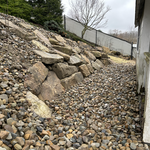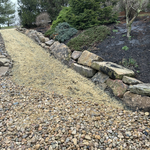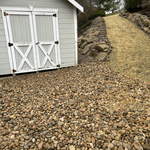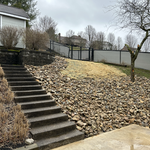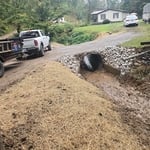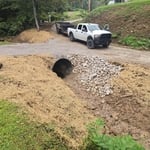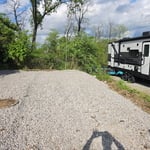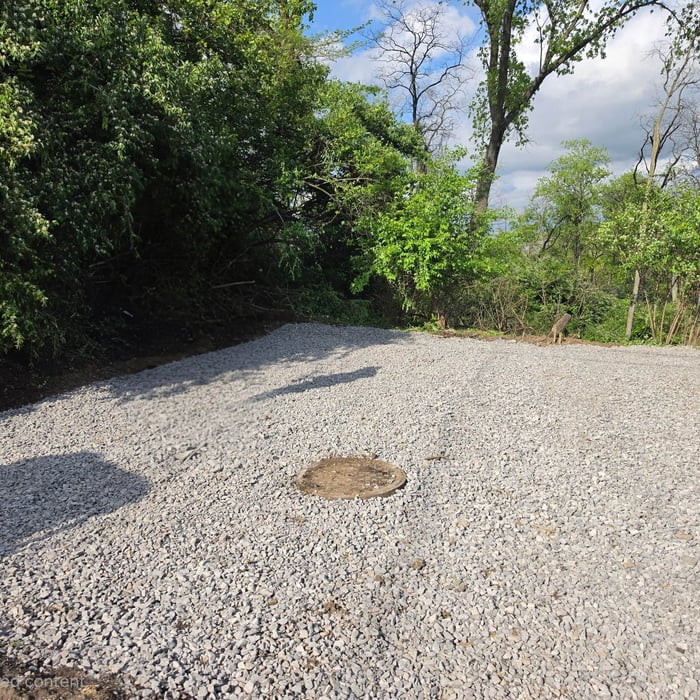


Top-rated excavation pros.

Get matched with top excavation pros in Pittsburgh, PA

Enter your zip and get matched with up to 5 pros

Need a pro for your excavation project in Pittsburgh, PA?

Select your specific project to find the pro for you.

TRUSTED BY PITTSBURGH, PA HOMEOWNERS

  • Average homeowner rating star icon4.5
    Average homeowner rating
  • Verified reviews icon91
    Verified excavation services reviews

Find Excavation pros in Pittsburgh

Avatar for Zingrone Landscaping
Zingrone Landscaping
4.4(
166
)
Landscape - Minor Grading or Resloping

Serving Pittsburgh, PA and surrounding areas

Approved

Super Service Award Winner

In business since 1993

Free estimates

Warranties offered

"We hired Zingrone Landscaping to remove very old, large bushes from our front yard and plant new shrubs and trees. From start to finish, they far exceeded our expectations, and we cannot recommend them highly enough! Joe and the crew were professional, patient, kind, and incredibly accommodating. They moved plants around multiple times until we found the perfect layout and never once made us feel like our questions or requests were an inconvenience. They genuinely cared about doing the job right and making sure we were happy with the result. Throughout the entire process, Joe was always responsive to our messages. When we reached out after the project was complete with concerns about watering, Joe stopped by the house to answer our questions and make sure we felt confident caring for our new plants. We've worked with a lot of contractors over the past two years, and there are very few we'd call back for future work. Zingrone Landscaping is absolutely one of them!"
Response time9 hrs
Response rate100%
2 neighbors recently requested a quote
NTK Excavation LLC
5.0(
5
)
Excavation - Major Grading or ReslopingLandscape - Minor Grading or ReslopingBuilding Site - Preparation and Clearing+2 more

Serving Pittsburgh, PA and surrounding areas

Approved

Super Service Award Winner

In business since 2019

Free estimates

Customers say: True professional

"Owner showed up with a small crew and a crazy new piece of equipment. Excavated down below my foundation and to the septic tank. Came into the basement and jackhammered the floor. Removed all the old terracotta pipe inside and out. Installed all new PVC pipe all the way down to the septic tank. Put gravel down to protect the new pipe. Poured concrete in the basement to close the floor back up. Only took one day to get the new pipe in. Came back the next to close the ground and floor up. Great experience, basement no longer smell like sewage."
Additional Photos
Additional Photos
Additional Photos
Additional Photos
Additional Photos

+21

5 neighbors recently requested a quote
Recommended by60%of homeowners

...
Showing 1-10 of 282
Excavating questions, answered by experts

Sewer lines can be buried anywhere from 18 inches to 8 feet deep, with a common average depth between 18 and 30 inches. The exact depth depends on local factors like climate and soil type. In colder regions, pipes must be buried deeper (below the frost line) to prevent freezing, sometimes as deep as 8 feet. The digging depth can also impact the cost of sewer line replacement. To find the specific depth for your property, you can check the building plans for your system, which should be on file with your city or local sanitation department since permits are required for installation.

There are several methods to hollow out a tree stump, and the best one depends on your tools, experience, and priorities. Common methods include using a chisel and hammer, a chainsaw, or burning.

  • Chisel and Hammer: This is often considered the easiest approach for those with limited tools or experience, though it is the most time-consuming.

  • Chainsaw: Using a chainsaw is the fastest method, but it comes with significant safety risks, especially for inexperienced users.

  • Burning: This can be an effective method, but it is not recommended unless you can first drill holes into the stump. Without holes, the stump will be difficult to light and may not burn completely through.

A power drill with at least a ⅜-inch diameter bit can make the job quicker and easier, regardless of the primary method. While you can use a chisel or chainsaw without a drill, it will require more time and effort. Always wear protective goggles and thick gloves, as splinters are an inevitable risk.

Yes, trenchers can go through gravel. Gravel is made up of smaller, softer rocks that certain trenchers are able to cut through. Just be sure to use a rock wheel trencher or chain trencher, both of which are made to cut through rocky landscapes and gravel pathways without dulling the teeth or chain.

No, a ditch isn’t a trench. A ditch is an open, relatively shallow channel that’s carved out of the ground and used for drainage purposes. In contrast, a trench is a deeper excavation that’s entirely underground. Trenches have many uses, including gas lines, sewage systems, and electrical wiring. Unlike trenches, ditches don’t get filled back in with dirt after they’re dug.

There are many ways to cut through roots when digging, especially if your trencher doesn’t seem to be removing the roots. First, use a shovel to expose the roots. Then, use gardening shears to clear out smaller roots or a reciprocating saw to remove larger plant roots. If you plan on keeping the plant, avoid cutting any roots over 2 inches thick.

The Pittsburgh, PA homeowners’ guide to excavation services

From average costs to expert advice, get all the answers you need to get your job done.