




Top-rated fencing pros.

Get matched with top fencing pros in Peters, PA

Enter your zip and get matched with up to 5 pros

Need a pro for your fencing service project in Peters, PA?

Select your specific project to find the pro for you.

TRUSTED BY PETERS, PA HOMEOWNERS

  • Average homeowner rating star icon4.9
    Average homeowner rating
  • Verified reviews icon12
    Verified fencing services reviews

Find Fencing pros in Peters

Avatar for Stewart Boys
Stewart Boys
5.0(
3
)

Serving Peters, PA and surrounding areas

In business since 2020

Free estimates

Emergency services offered

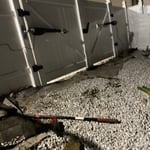
"Great again, hired them back two weeks after they came do yardwork and land clearing they put up my fence, row my entire property, a chain-link and salt a chain-link gate at the front of the property so people couldn’t use my driveway as a U-turn put an electric gate opener on there and they came out perfect I will be using them in the future and from now on they are my go to company"
Handymen Project
Handymen Project
Handymen Project
Additional Photos
Additional Photos

+16

Recommended by100%of homeowners

Showing 1-10 of 46
Fencing questions, answered by experts

Vinyl and chicken wire are two of the best and most affordable materials for a DIY garden fence. Vinyl is a great option because it is cost-effective, easy to work with, and effective at keeping pests out. A vinyl fence can cost as little as $15 per linear foot, especially if you install it yourself. Chicken wire is even more budget-friendly, costing as little as $2 per linear foot. While chicken wire is more affordable, vinyl is a better choice if privacy is a concern. You can also add chicken wire on top of a vinyl fence for extra security.

It’s usually cheaper to buy pre-made fence panels than to build your own. This surprises many people since DIY tasks so often save money. However, large stores don’t have to pay the same amount per board of wood that homeowners do, allowing them to sell pre-made panels at a more cost-effective rate. Pre-made panels also save a great deal of time, energy, and guesswork. The drawback is that they are harder to customize to the shape and slope of your yard.

The ideal spacing for four-by-four residential fence posts is usually about 6 to 8 feet between posts. However, if the fence is particularly high or you live in a very windy region, you might want to space them closer together for better stability. A fence pro can help you decide on your post spacing. 

Yes, fence posts should be set in concrete to provide the proper support for the fence. If you notice your fence posts leaning, you’ll need to learn how to brace a fence post to fix the problem and prevent further damage from occurring. By bracing a fence post properly, you’ll provide stability and sturdiness to your fence for years to come.

The most common hog wire gauge for a fence is 12.5. However, you can choose from a few gauges based on your needs. While 12.5 is a reliable gauge for penning in large, strong animals, 9 gauge is a better option of you have large animals that are easily spooked, such as horses. For smaller animals, like dogs or pigs, you can use a 16 gauge hog wire.

The Peters, PA homeowners’ guide to fencing services

From average costs to expert advice, get all the answers you need to get your job done.