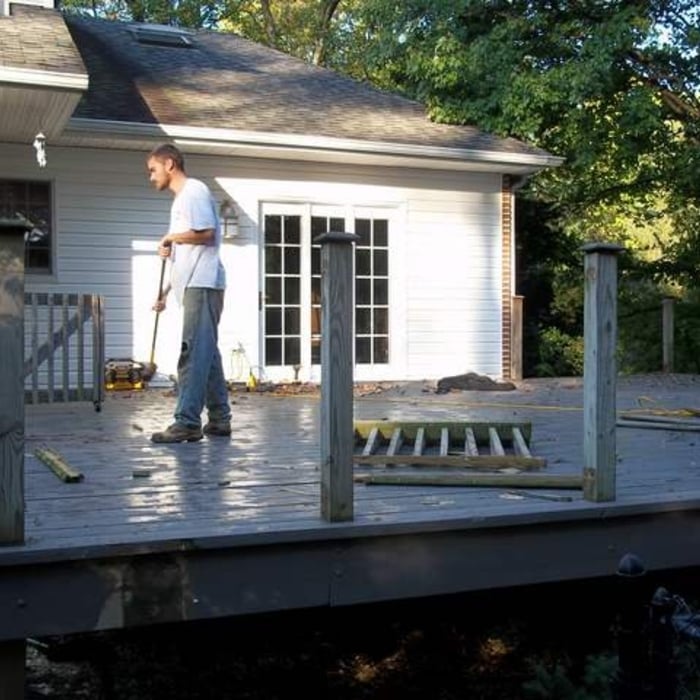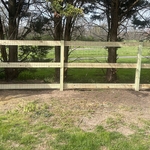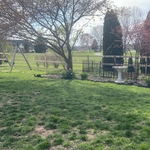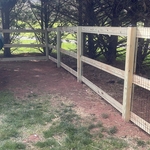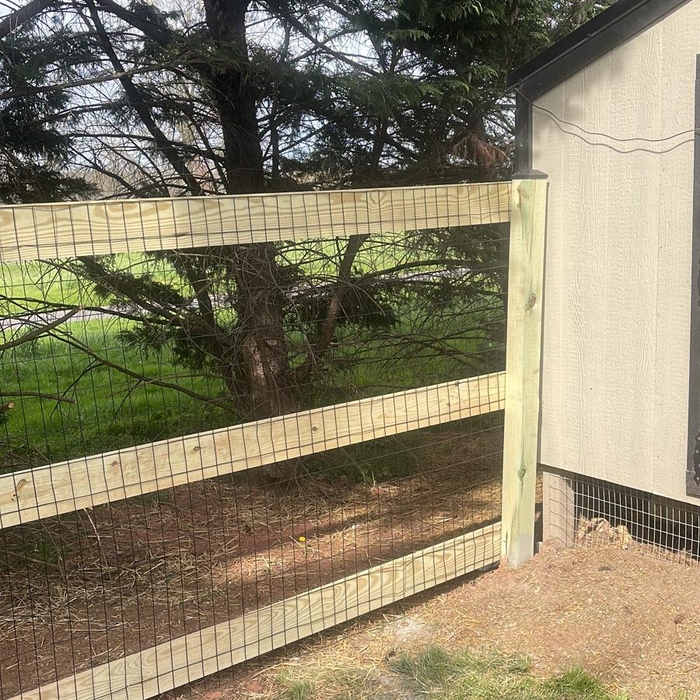




Top-rated fencing pros.

Get matched with top fencing pros in Harrisonville, PA

Enter your zip and get matched with up to 5 pros

Need a pro for your fencing service project in Harrisonville, PA?

Select your specific project to find the pro for you.

Find Fencing pros in Harrisonville

Avatar for Rock-A-Fellas Co Inc
Rock-A-Fellas Co Inc
4.5(
23
)
Barbed Wire Fence - InstallBarbed Wire Fence - RepairChain Link Fence - Install+7 more

Serving Harrisonville, PA and surrounding areas

In business since 2003

Credit card accepted

"Once the job was completed, it looked like the fence was never there!  We were very impressed with the quality of the work, the price, as well as the ease of doing business with Rock-A-Fellas.  We will be using them for some other much needed home projects!"
Additional Photos
Additional Photos
Additional Photos
Additional Photos
Additional Photos

+14

Recommended by100%of homeowners
M&K Welding
5.0(
1
)
Barbed Wire Fence - Repair

Serving Harrisonville, PA and surrounding areas

In business since 2021

Free estimates

Offers commercial services

We take great pride in our experience, expertise, quality, and customer service that we provide to meet the consumers' needs. It is our mission to provide excellent workmanship, and complete customer satisfaction from start to completion of a project. In order to understand the needs, and expectations of our customers, we take great care to work, and communicate with every customer in a professional manner. Our reputation is based on service, safety, and quality, regardless of how large or small the job.

Recommended by100%of homeowners
Showing 1-10 of 40
Fencing questions, answered by experts

Wood fences provide privacy, security, and aesthetic appeal for commercial properties.

A silt fence should be buried in a trench that is 6 to 12 inches deep. A depth of at least 6 to 8 inches is necessary to prevent water and sediment from running underneath the fence. A deeper trench, up to 12 inches, provides better anchoring during wet and windy weather. To ensure proper installation, look for a red line on the silt fence fabric, which often indicates the correct burial depth. Always adhere to local guidelines and regulations; a professional contractor will be familiar with these requirements.

While cedar and pine are two of the most common wooden fence materials, everything from redwood to bamboo is also available. You can also purchase pressure-treated wood, which better withstands water damage and the threat of pests. The best wood for your fence will come down to your budget, local climate, and preferred look.

Typically, a fence requires one to two coats of stain. The exact number can vary depending on the porosity of the wood. For specific guidance, it's best to check the manufacturer's instructions. After applying the first coat and letting it dry completely, you can assess the finish. If it appears patchy, uneven, or you want a more saturated color, a second coat is recommended. An extra coat can also help cover lap marks.

One of the best alternatives to a snow fence is to plant a living snow fence of grasses, shrubs, trees, and crops like corn. Another temporary option is using hay bales to create a barrier to disrupt the wind flow, and cause snow to accumulate in specific areas. However, hay bales are not a permanent option, so keep that in mind when choosing what type of snow fence you should install.

The Harrisonville, PA homeowners’ guide to fencing services

From average costs to expert advice, get all the answers you need to get your job done.