Top-rated drywall pros.

Best drywall pros near Mount Oliver, PA

Enter your zip and get matched with up to 5 pros

Need a pro for your drywall service project in Mount Oliver, PA?

Select your specific project to find the pro for you.

TRUSTED BY MOUNT OLIVER, PA HOMEOWNERS

  • Average homeowner rating star icon4.7
    Average homeowner rating
  • Verified reviews icon247
    Verified drywall services reviews

Top-Rated Drywall pros in Mount Oliver - Updated Nov 2026

Avatar for Unique Contractor LLC
Unique Contractor LLC
5.0(
46
)
Drywall - InstallDrywall - Install - For BusinessDrywall - Repair+1 more

Serving Mount Oliver, PA and surrounding areas

Approved

Super Service Award Winner

Free estimates

Warranties offered

Small jobs welcome

"When Martin showed up on time to provide an estimate for the Drywall, I knew Martin would be a good fit for the project. The estimate was reasonable, and his work ethic is excellent. He works hard, and did professional work and completed the project in a reasonable amount of time. Would highly recommend him for drywall projects."
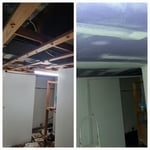
Additional Photos
Additional Photos
Additional Photos
Additional Photos
Additional Photos

+30

Response time3 days
Response rate100%
Recommended by78%of homeowners
Avatar for Rapid Repair Facility Services, LLC
Rapid Repair Facility Services, LLC
5.0(
7
)
Drywall - Repair - For Business

Serving Mount Oliver, PA and surrounding areas

Approved

In business since 2023

Free estimates

Emergency services offered

"Rapid Repair did a fantastic job on my drywall project. He was efficient, did quality work, and the cost was reasonable. I will definitely be using this company again for my next project!"
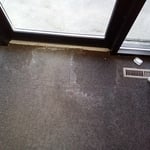
Salt damaged carpet tile
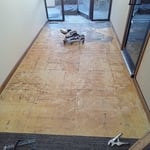
Carpet tile stripped
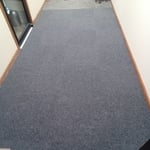
View from the front entrance
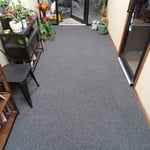
View from the hallway
Door - interior

+28

Response time4 hrs
Response rate97%
1 neighbors recently requested a quote
...
Showing 1-10 of 368
Drywall FAQs, answered by experts

Yes, you can use drywall repair techniques for some types of plaster damage. Tiny holes and small cracks in plaster can be patched in similar ways to drywall. You apply the necessary compound to fill the hole, wait for it to dry, then sand it down. For larger damage, like water damage or mold, you need to use plaster-specific techniques and materials.

Yes, taping inside corners is a critical step in the drywall installation process.  Properly taping inside corners is essential for achieving a professional look, and an installation that resists cracking and maintains its integrity over time. Taping the corners involves the application of a joint compound along the seam where two drywall pieces meet. This process provides reinforcement, conceals the seam, and prevents future gaps or cracks from developing.

There are six levels of drywall finish, from 0 to 5, that refer to the amount of work performed during the finishing process.

Level 0: Drywall is hung with no finishing work.

Level 1: Tape is placed over the seams between drywall sheets.

Level 2: A thin layer of mud is applied over the tape and screw holes. This level is common for utility rooms or walls that will be covered.

Level 3: A full coat of mud covers the screw holes and tape, but the surface is not sanded. This is often used in garages.

Level 4: This is the most common finish for visible interior walls. It involves applying two coats of mud over seams and screw holes, with sanding between each coat, creating a smooth surface ready for flat paint.

Level 5: This is a high-end finish for luxury homes. It includes full taping, mudding, and sanding, plus a final skim coat over the entire surface before painting.

While certain types of textured walls can seem dated (looking at you, popcorn), textured walls are a common sight in both older and more modern homes. The main reason textured walls may be here to stay is that they are an excellent way to hide minor imperfections on a wall and give it a finished appearance. Some homeowners think a coat of paint on drywall is a bit industrial-looking. However, that look works perfectly in modern home design. 
The two most common drywall thicknesses for ceilings are 1/2-inch and 5/8-inch. For most standard residential applications, 1/2-inch drywall is sufficient and widely used. It provides adequate support and is lighter and easier to handle during installation compared to thicker sheets. However, 5/8-inch drywall is often used for specific cases where additional benefits are needed. It is heavier but provides superior sound dampening and fire resistance. You should consider using 5/8-inch drywall for ceilings in commercial buildings, between a garage and a living space, or above a finished basement to meet building codes or for enhanced soundproofing.

The Mount Oliver, PA homeowners’ guide to drywall services

From average costs to expert advice, get all the answers you need to get your job done.