


Top-rated fencing pros.

Get matched with top fencing pros in Orbisonia, PA

Enter your zip and get matched with up to 5 pros

Need a pro for your fencing service project in Orbisonia, PA?

Select your specific project to find the pro for you.
Fencing questions, answered by experts

Both nails and screws are common in fence construction, including on pickets. Some builders prefer to use nails when connecting the pickets to the rails and screws when connecting the rails to the posts. However, the best option usually depends on the type of wood fencing and the variety of wood you choose.
In addition to the fence itself, several factors can impact the overall price of putting a fence in. Consider these add-ons and necessary expenses when building your project budget. For example, additional cost factors may include:
  • Removing your existing fence

  • Land leveling and other site work

  • Tree and stump removal

  • New landscaping

  • Working around underground utilities

  • Painting and staining

The lifespan of a picket fence largely depends on its material. Wooden picket fences typically last 10 to 15 years with regular maintenance, while vinyl and composite picket fences can last 20 to 30 years or more due to their resistance to weather, rot, and pests. Metal picket fences often exceed 30 years, especially when properly coated to prevent rust or corrosion.

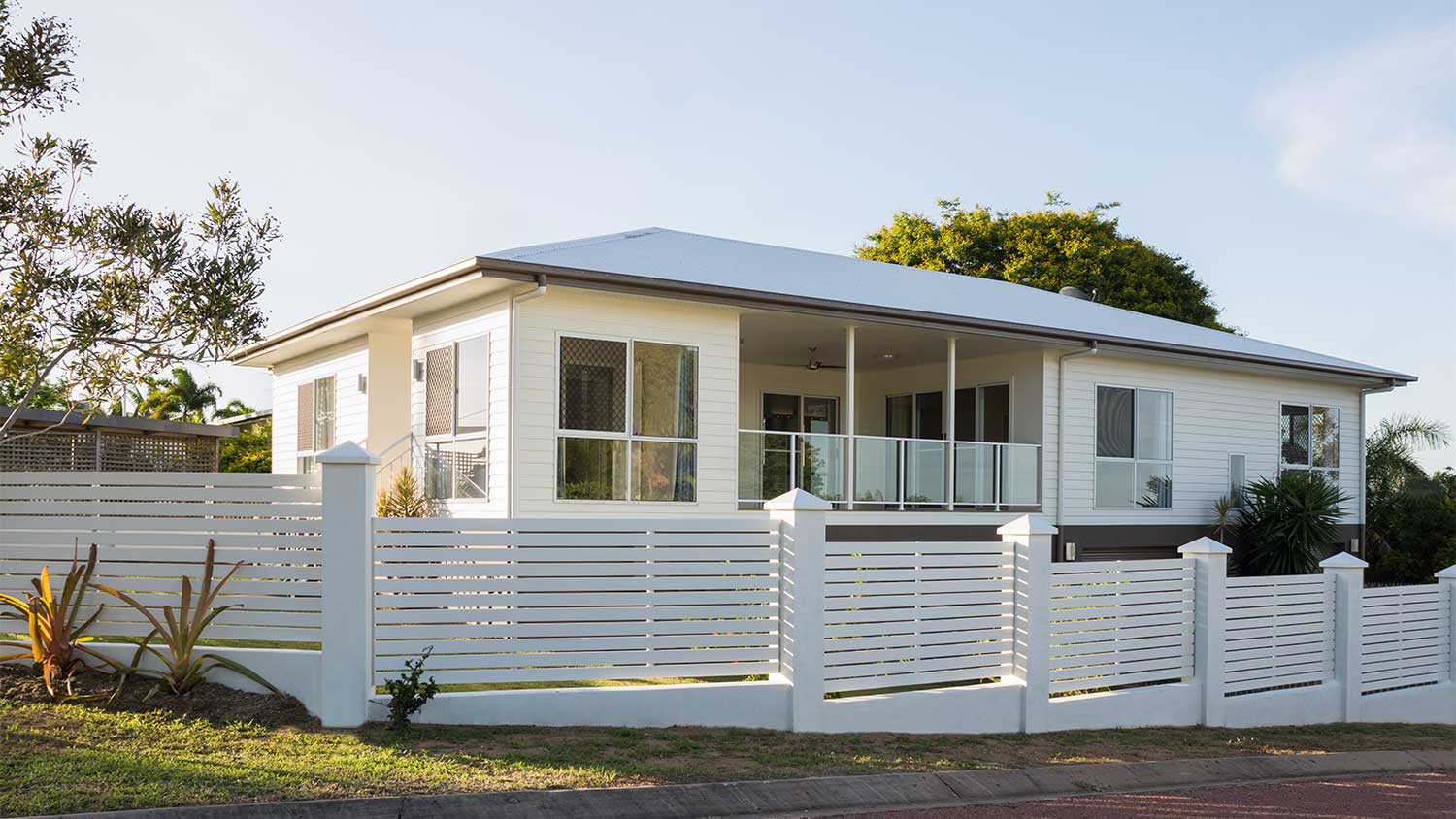
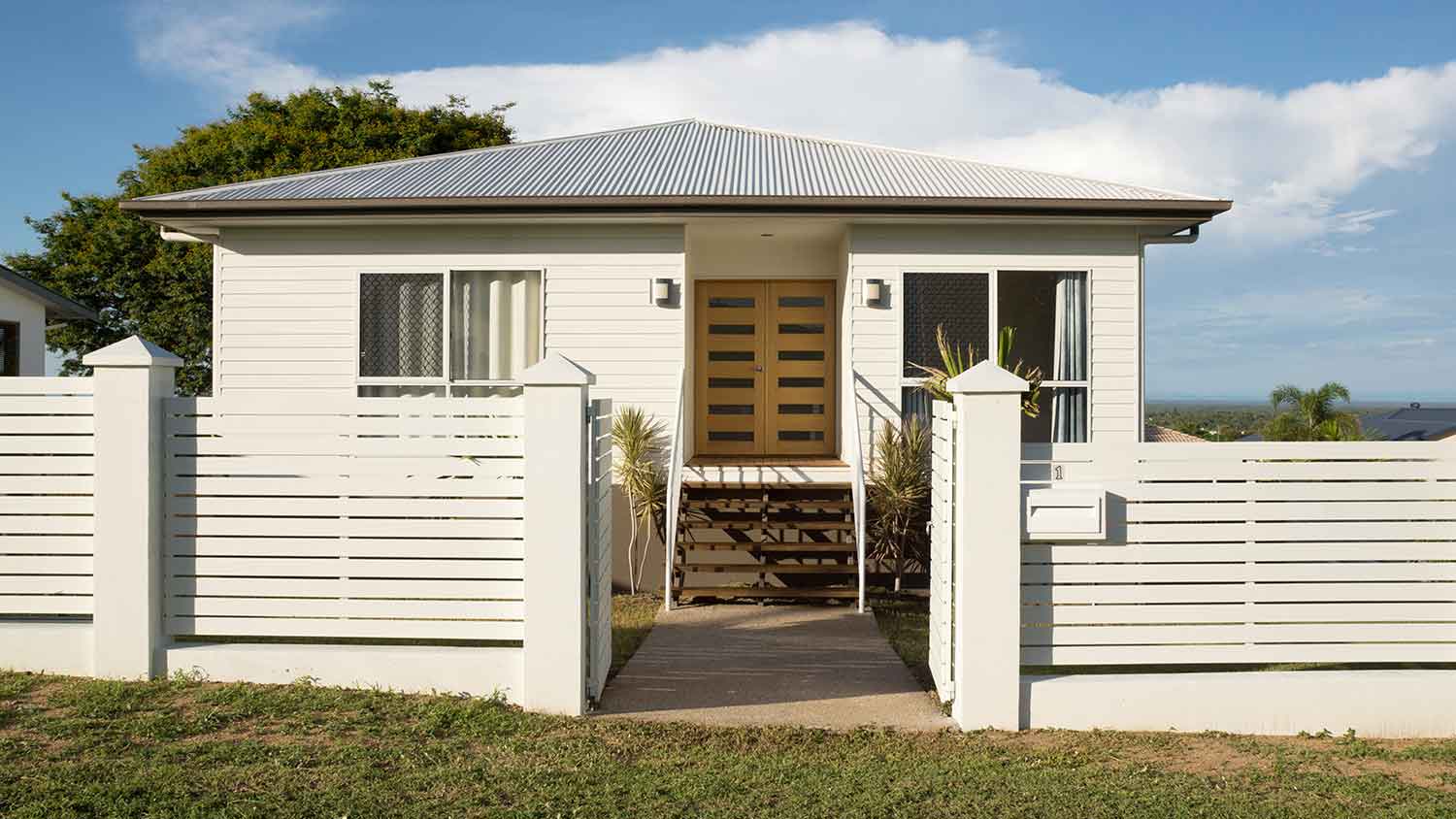
A horizontal fence is typically more expensive to build than a vertical fence, often costing between 10% and 20% more. The higher cost is due to the need for a higher grade of lumber and more posts to prevent the boards from sagging, which increases both material and labor expenses. Despite the higher price, horizontal fences tend to be more durable and offer a more distinct, modern look compared to the more common vertical picket style. However, they may not be the best option for privacy, as there can be slight gaps between the horizontal rails.

Yes, fence posts need to be installed below the frost line to ensure stability and prevent heaving caused by freezing and thawing cycles. The frost line is the depth at which soil freezes during winter. By placing posts below this line, often around 3 to 4 feet deep or as recommended for your specific region, you reduce the risk of the ground shifting, which can lead to leaning or unstable fences. Adequate depth provides better anchoring and helps maintain the fence's integrity, ensuring it remains secure and upright throughout changing seasons.