


Top-rated excavation pros.

Get matched with top excavation pros in Etna, PA

Enter your zip and get matched with up to 5 pros

Need a pro for your excavation project in Etna, PA?

Select your specific project to find the pro for you.

TRUSTED BY ETNA, PA HOMEOWNERS

  • Average homeowner rating star icon4.4
    Average homeowner rating
  • Verified reviews icon33
    Verified excavation services reviews

Find Excavation pros in Etna

Avatar for VP Excavating Services LLC
VP Excavating Services LLC
4.4(
7
)
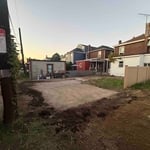
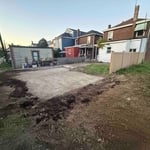
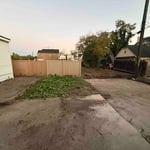
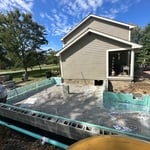
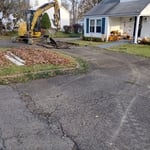
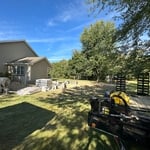
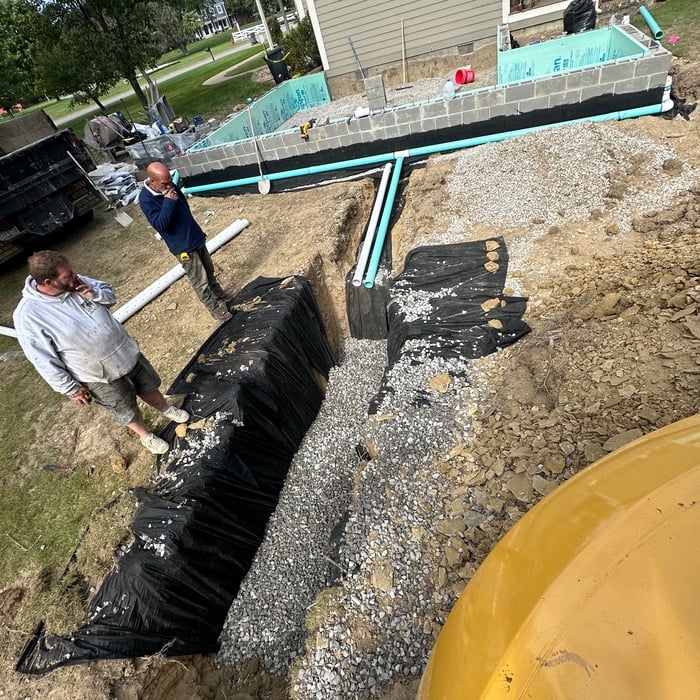
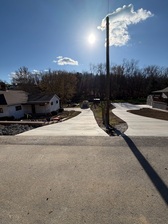
Building Site - Preparation and Clearing

Serving Etna, PA and surrounding areas

Approved

In business since 2024

Free estimates

Emergency services offered

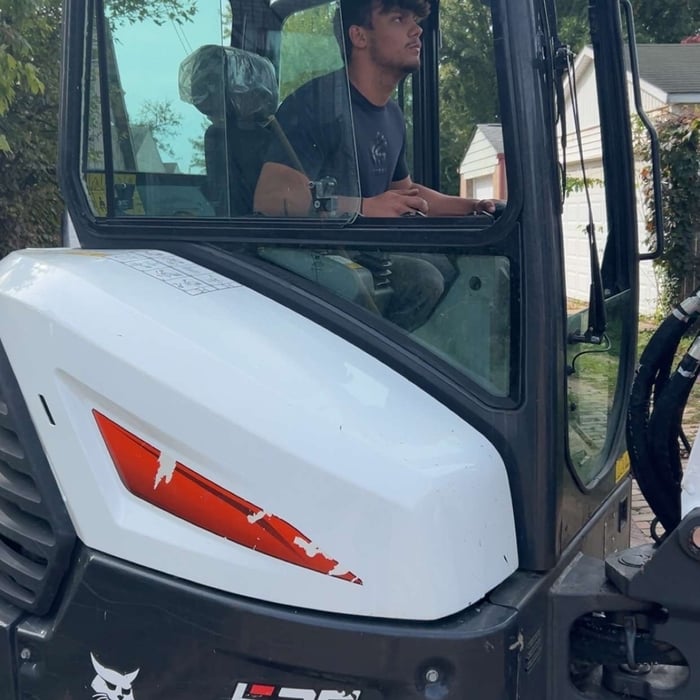
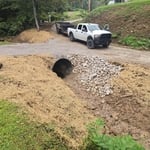
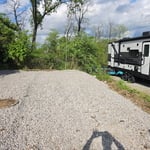
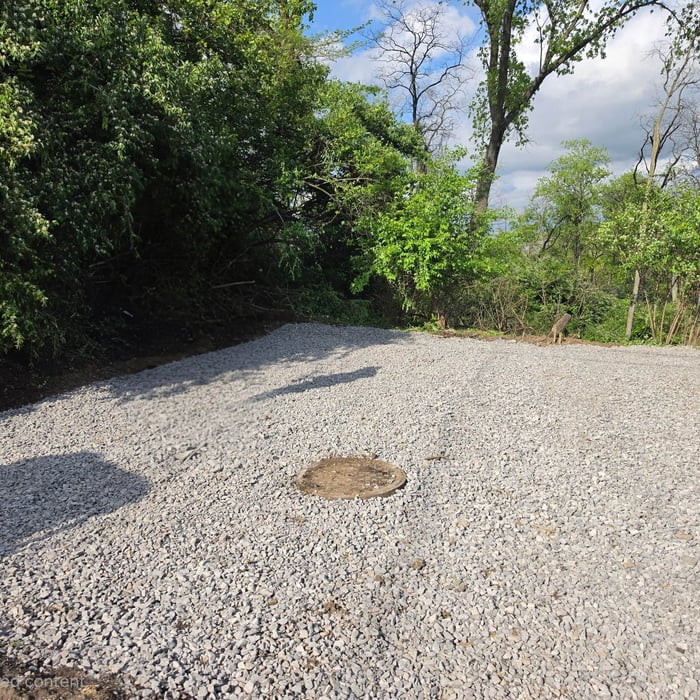
"VP Excavating did an outstanding job on our property! From start to finish, their preparation and clearing work was done with precision, efficiency, and professionalism. They went above and beyond to make sure everything was done right, and it truly shows. Highly recommend them for anyone needing quality excavation work!"
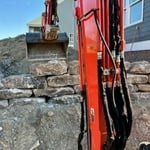
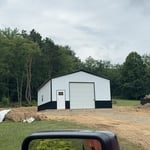
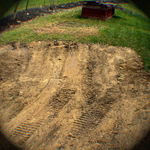
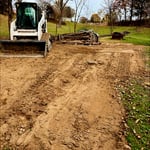
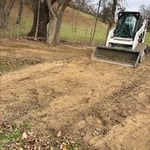
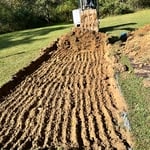
Site prep
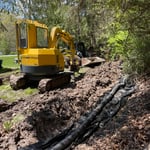
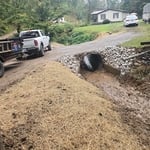
Culvert pipe install
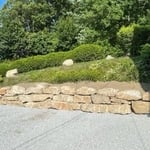
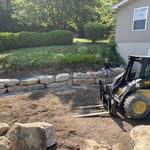
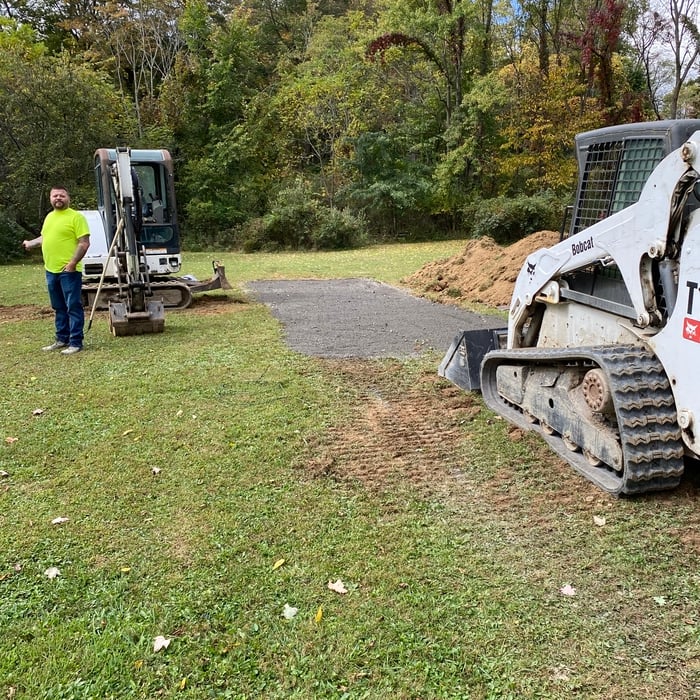
 New Parking pad
 New Parking pad

+1

10 neighbors recently requested a quote
JDS Services LLC
5.0(
12
)
Excavation - Major Grading or ReslopingLandscape - Minor Grading or ReslopingBuilding Site - Preparation and Clearing+2 more

Serving Etna, PA and surrounding areas

Approved

Super Service Award Winner

In business since 2010

Free estimates

Warranties offered

"Great! The job was completed in a reasonable time and any requests for changes were accommodated without issue (or complaints). The improvements made have not only stabilized the area around our stream but also the appearance of our property. We could not be happier! I highly recommend this company."
14 neighbors recently requested a quote
Recommended by91%of homeowners
C&W Works, Inc.
3.7(
95
)
Building Site - Preparation and ClearingLandscape - Minor Grading or ReslopingBuilding Site - Preparation and Clearing - For Business+2 more

Serving Etna, PA and surrounding areas

Approved

In business since 2011

Free estimates

Customers say: Quick response

"Pete quickly provided a quote and insurance certificate. They showed up when he said they would and did a great job. They demolished some old buildings we had and regraded the ground. We were very satisfied and will use them again when needed."
18 neighbors recently requested a quote
Recommended by96%of homeowners
Avatar for Patterson Custom Concrete
Patterson Custom Concrete
5.0(
12
)
Excavation - Major Grading or Resloping

Serving Etna, PA and surrounding areas

Approved

In business since 2020

Free estimates

Credit card accepted

"Mr. Patterson evaluated the project and scheduled the work promptly. His crew worked efficiently, with care and attention to details. Mr. Patterson was on site to direct the work. The cost was reasonable, and I was very pleased with the outcome."
Response time6 hrs
Response rate100%
1 neighbors recently requested a quote

...
Showing 1-10 of 178
Excavating questions, answered by experts

Trenching and boring are two distinct methods for installing underground utilities. Trenching involves digging a channel using equipment like an excavator, trencher, backhoe, or shovel. While it is a simpler process, it causes significant disruption to the surface, landscaping, and surrounding ecosystems.

Boring, also known as directional boring, is a less invasive alternative that uses a drill to create a tunnel for utility lines without disturbing the surface. This method is more precise and is ideal for installations that need to go underneath buildings, roads, or bodies of water. Although boring is less disruptive, it is generally more expensive than trenching.

Trenches are typically 12 to 24 inches deep and 8 inches wide. However, the required depth depends on the specific project and local ordinances. For example, a French drain may need to be 18 inches deep, while a water pipe might require a depth of 24 inches and a drainage pipe 36 inches. Your city or county may have specific regulations, so it's wise to consult with an excavation professional to determine the correct depth for your project.

How deep your septic system needs to be into the ground depends on several factors. In extremely cold environments, the tank needs to rest below the maximum frost line, which can be up to six or eight feet deep. The standard burying depth for most systems is between a few inches and four feet below ground level. Depth can also depend on the slope of the landscaping and other property variables. 

You do not have to dig footers for a deck as long as it meets local code and holds up to weather in your area. If you live somewhere that experiences high winds and earthquakes, you may need to dig for your deck posts. Deck blocks, post anchors with base plates, and helical pile systems are the three no-dig deck post options you can choose from if local code permits.

Call 811 to locate and mark the gas lines at least three days before digging. In many areas, you can dig within 18 inches of the lines, though in some locations, the distance may be further. Check local regulations, as you may need a utility company representative onsite when digging. Document your calls to 811 and precautions taken to avoid gas lines. A homeowner can be held liable for hitting a gas line in some cases, but contacting the proper authorities and following all guidelines can offer protection.

The Etna, PA homeowners’ guide to excavation services

From average costs to expert advice, get all the answers you need to get your job done.