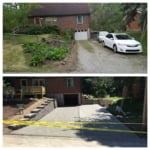
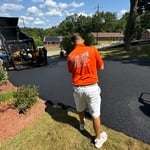
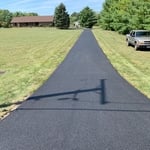
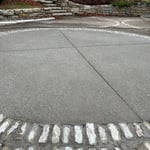
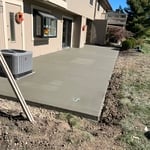
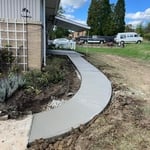
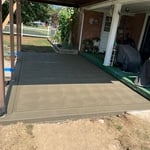
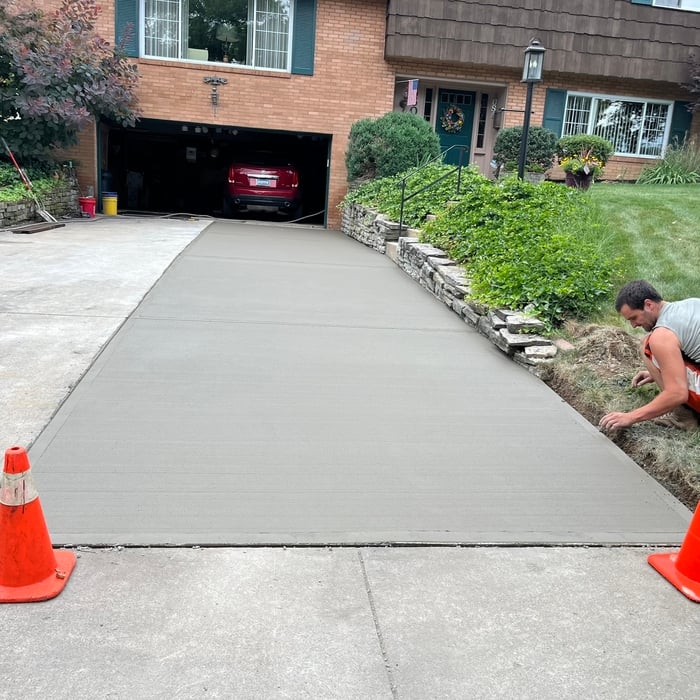
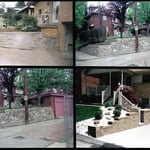
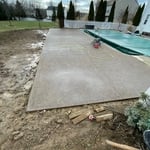
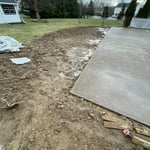
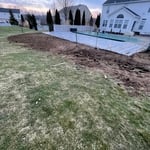
"Nick and his crew installed a new exposed aggregate concrete driveway in our home. He and his crew were professional and prompt throughout the entire process. We had gotten numerous bids for the job and his bid was competitively priced especially for the experience he has. The quality of work is exceptional and we get numerous compliments from neighbors daily on our new driveway. I would recommend Nick Scotti Concrete Contractor for any concrete work."
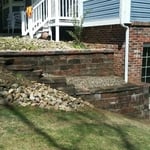
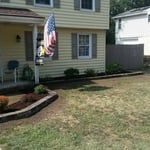
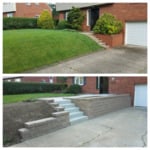
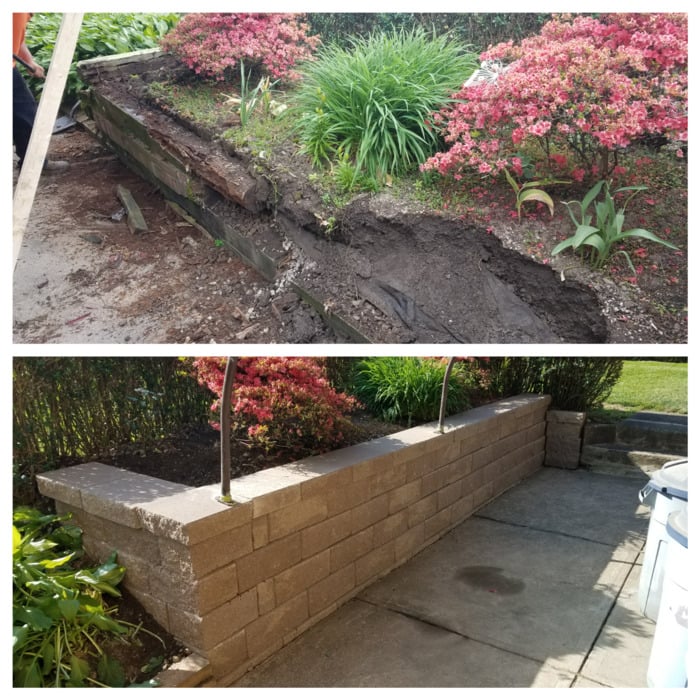
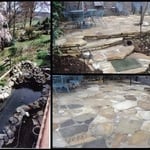
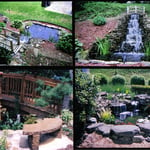
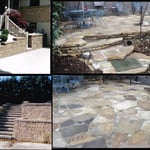
"Cullen and his team were total pros and did a fantastic job from planning to pricing to construction. I’d hire him again and would recommend him for any retaining wall/patio/driveway/landscaping work."
"They provided an excellent service and a great value. Very dependable and professional. Never missed a week and their work was outstanding. Will definitely be using them again next year! In fact, we have retained their services for snow removal this winter."
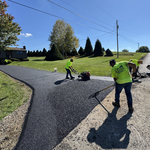
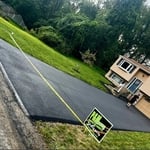
"We needed as asphalt apron added to our driving after having the concrete driveway installed and not being level with the road. Our vehicles would scrape upon entering the driveway every time. We called around and had a hard time finding anyone to take this job. P&M took the job and not only fixed the transition from the road to the driveway, but also paved to the drainage inlet to stop the pooling of water at the bottom of the driveway."
"Lou and his crew were great. Knowledgeable, easy to work with and quality. Lou came out measured everything up and gave me a quote over the phone later that day. Got me in the schedule and we coordinated around his other projects. Removed old asphalt driveway and installed new concrete slab in 3 days. Would hire Goodfellas again and recommend."
"Driveway looks amazing! Brendan provided a great experience all around. Was able to stop by the same day for an estimate and was back the next day to complete the work. He listened to my concerns about a mess a previous contractor made and provided all the answers/suggestions I needed to hear. Showed up exactly when he said he would and did a great job with prep. Will definitely be saving his info for next time the driveway needs sealed or patched up. TL;DR: High quality product, high quality work, high quality guy 👍🏻"
"Brandon and his team showed up day to start the work a few days before I asked them to begin which was a plus because our concrete church ramp needed repaired soon for safety reasons. The work was completed with professionalism and did not interfere with our church services. Brandon was also easy to contact and returned calls and text messages in a timely manner"
Yes, you can retrofit an existing driveway, but this usually involves cutting grooves into the driveway, installing the heating elements, then sealing them. While this is much less expensive than typical heated driveway systems, the final appearance could be diminished. Speak with a driveway paving company to confirm which design method is best for you.
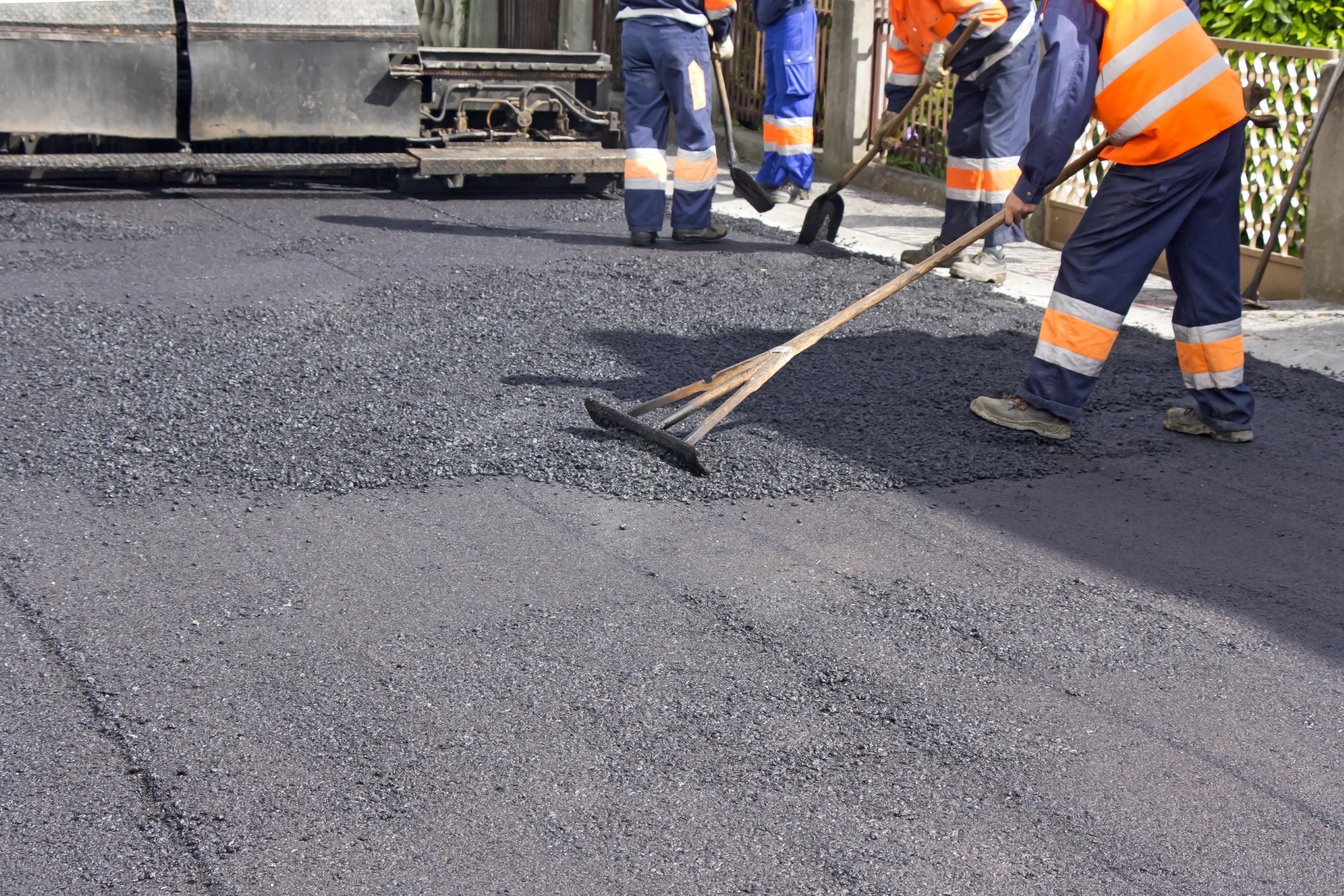
New asphalt typically needs 24 to 72 hours to dry before it can handle light foot traffic and careful driving. Although it may appear solid after a few days, the full curing process, where the asphalt reaches its peak strength, takes much longer—generally from 30 days to a year.
During this extended curing time, the surface remains relatively soft and can be damaged by heavy vehicles, sharp objects, or high temperatures. To protect your investment, it's best to avoid parking heavy machinery on the asphalt until it has fully cured.
The exact time required for drying and curing depends on several factors, including the weather, the specific asphalt mix, and its thickness. For the most accurate advice tailored to your situation, consult with your asphalt contractor.
By grading and compacting the base soil, ensuring proper drainage and stability.
Asphalt paving offers several benefits, including cost-effectiveness and a quick installation process. It provides a durable and smooth surface, making it ideal for high-traffic areas. With proper maintenance, asphalt also offers longevity.
Several materials are suitable for steep driveways. Gravel and crushed stone are affordable options that provide good traction. Permeable pavers—such as plastic, rubber, or concrete—filled with gravel or crushed stones are also excellent, as they allow water to drain without causing erosion and perform well in ice and snow. Another option is resin, which can be coated with an anti-slip finish and helps prevent puddles. For added stability, you can install a retaining wall to prevent pavers and gravel from shifting over time.
The Etna, PA homeowners’ guide to asphalt driveway services
From average costs to expert advice, get all the answers you need to get your job done.
Adding a new asphalt driveway to your home can boost its overall appearance and give homeowners a nice ROI down the line. But how long do asphalt driveways last, and what can you do to maximize their lifespans? Read this guide to find out.