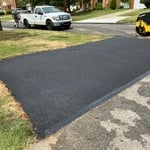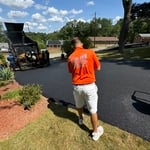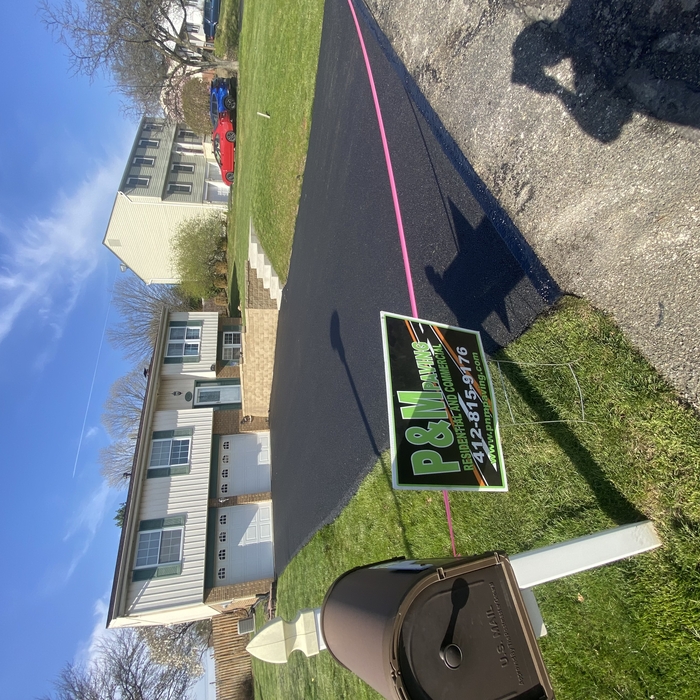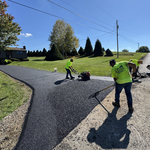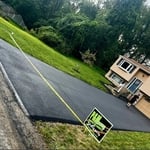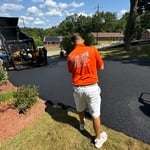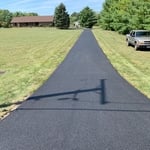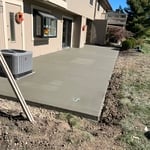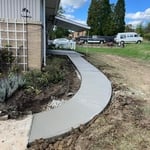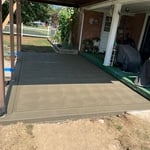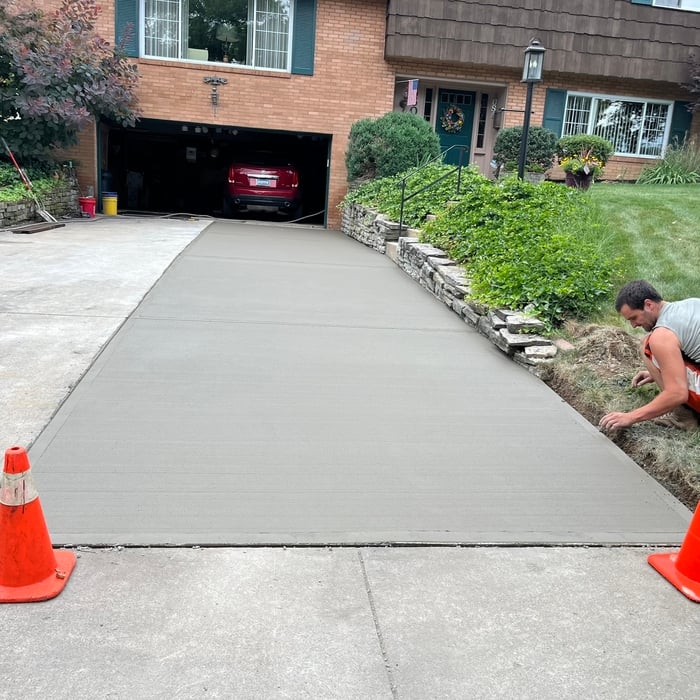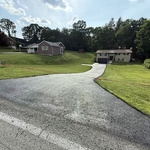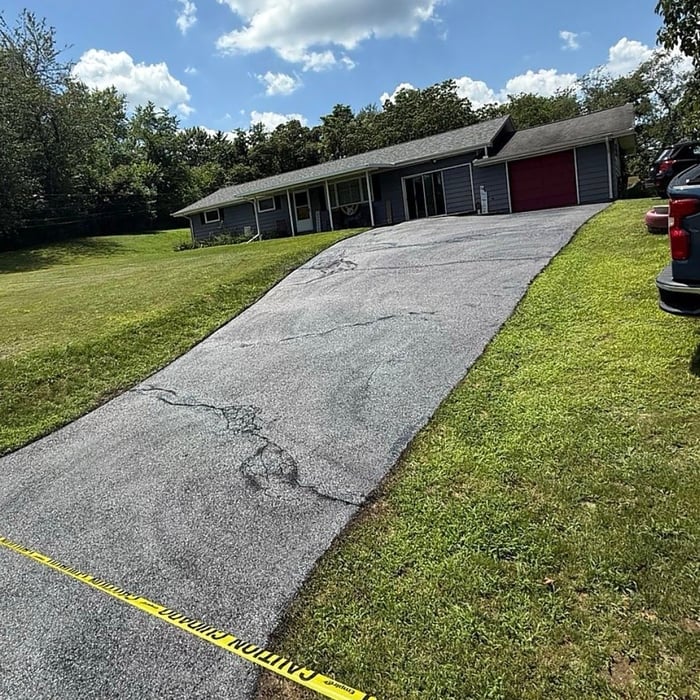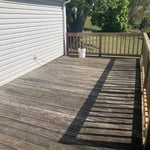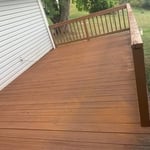

"They did an excellent and thorough job. It was done last fall and I will be hiring them again this coming Spring so that they can seal what they installed as well as seal the pre-existing part of our asphalt driveway."
"They were in the neighborhood doing another job and told me they could pave the gravel driveway at one of my rental properties. I had gotten prices a few years ago, and even given the time difference, they beat the price by almost $1,000. They did a good job prepping the area and put in an asphalt driveway the same day."
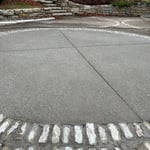
"Lou and his crew were great. Knowledgeable, easy to work with and quality. Lou came out measured everything up and gave me a quote over the phone later that day. Got me in the schedule and we coordinated around his other projects. Removed old asphalt driveway and installed new concrete slab in 3 days. Would hire Goodfellas again and recommend."
"Rowdy Williams and crew were fantastic. Rowdy himself always answered the phone. There was a lot of grading on this job, including a compound drainage path, which Rowdy designed. They team worked fast and produced a great looking driveway. They did the job the day after I signed the work order. The price was very, very good. Finally, this is a family operation. I could not have been more pleased."
"Good contractors are hard to come by today, especially those who get back to you right away and commit to the delivery and work in a timely manner. This company understands customer service and stands by communication and commitment! 5 star!"
Yes, it is possible to pave over an existing driveway, but whether it's the right choice depends on several factors. If the underlying structure of your current driveway is still strong, concrete or asphalt resurfacing can be a cost-effective way to prolong its life. However, if your driveway has significant issues like potholes, deep cracks, or other inconsistencies, it is best to remove the old driveway and start from scratch. Key factors to consider include the current driveway's condition, the compatibility of the new material, the added thickness and height, and the necessary surface preparation.
Asphalt and tarmac are not the same thing. Traditional tarmac, short for tarmacadam, uses tar as a binder to hold crushed stone together. Asphalt uses bitumen—a byproduct of crude oil—to bind aggregate. Though tarmac was once a go-to for roads, asphalt has become the modern standard. And these days, most surfaces referred to as “tarmac” are actually asphalt. So, while the names may overlap, the key distinction lies in the binder—tar for tarmac and bitumen for asphalt.
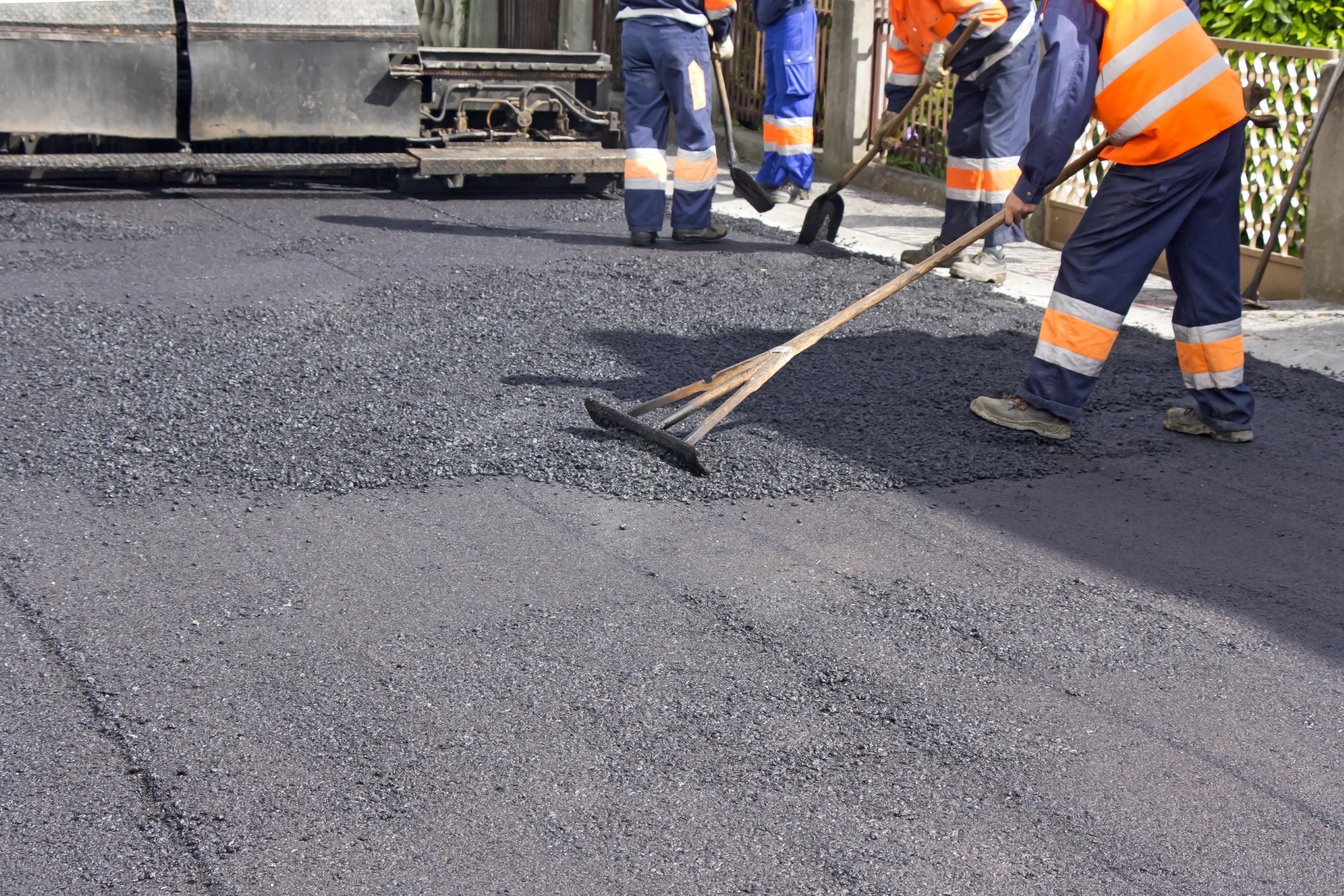
This creates a risk for your driveway to fail after asphalt curing because it doesn't have a lasting bond with the surface. In order to get asphalt to perform as intended, it's necessary to prepare the dirt surface correctly first. The loose soil base under the new driveway must be compacted until it is stable enough to support the weight of the asphalt.
While the specific timeline for building a driveway can vary based on driveway length and local weather conditions, the average concrete driveway can require several days to lay down all of the different parts of the driveway. The curing process may require you to avoid using your driveway for a week following construction. Heavier vehicles should be kept off of a new concrete driveway for several weeks. Building a gravel driveway may take just one to two days in total.
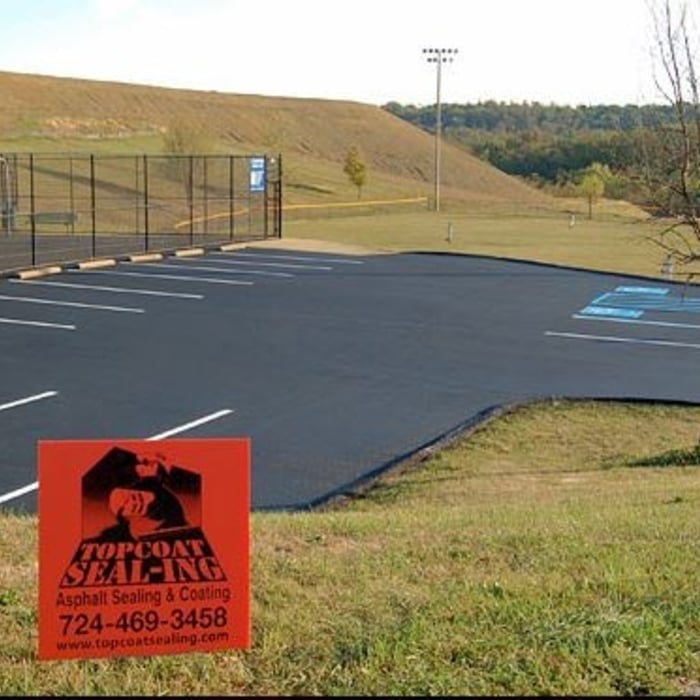
To maintain their strength, asphalt driveways and parking lots need to be sealcoated once every two to five years. You may also need to reapply paint striping every few years as it fades to ensure drivers can safely navigate the parking lot.
The Mckees Rocks, PA homeowners’ guide to asphalt driveway services
From average costs to expert advice, get all the answers you need to get your job done.
Adding a new asphalt driveway to your home can boost its overall appearance and give homeowners a nice ROI down the line. But how long do asphalt driveways last, and what can you do to maximize their lifespans? Read this guide to find out.