






Top-rated fencing pros.

Best fencing pros near Corry, PA

Enter your zip and get matched with up to 5 pros

Need a pro for your fencing service project in Corry, PA?

Select your specific project to find the pro for you.

Top-Rated Fencing pros in Corry - Updated Nov 2026

Avatar for RJ Landscaping  & Design
RJ Landscaping & Design
4.3(
4
)
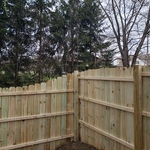
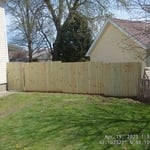
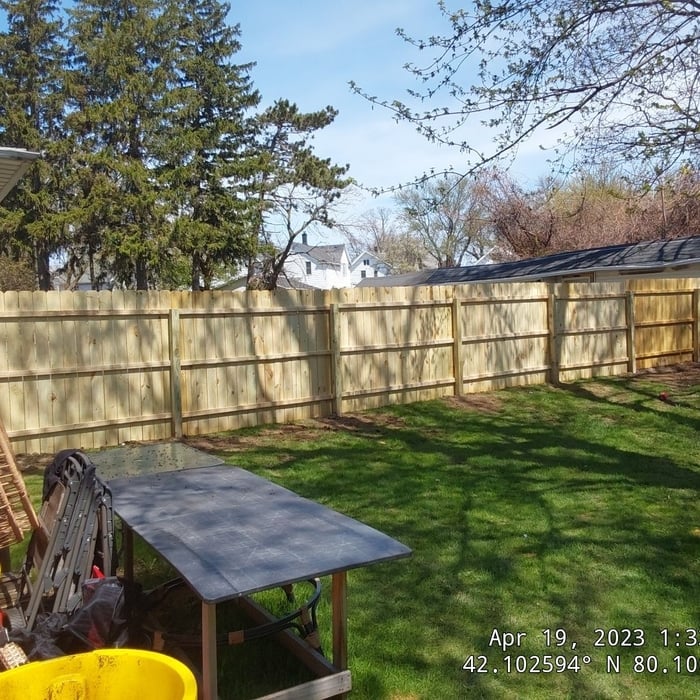
Wood Fence - Install

Serving Corry, PA and surrounding areas

In business since 2000

Free estimates

Small jobs welcome

"The guys were courteous and professional. They talked me through the process before they started. They worked quickly and did a nice job. Not only did they finish my drywall, the gave me tips for painting."
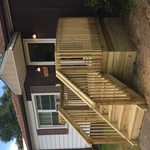
Porch Build
Porch Build
Porch Build
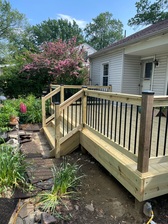
Deck Build
Deck Build

+9

Response time1 day
Recommended by100%of homeowners
Showing 1-10 of 29
Fencing FAQs, answered by experts

Pickets should sit at least 2 inches off the ground to encourage groundwater to flow underneath. Pickets can sit as much as 6 inches off the ground, but setting it any higher could let pets in or out of your yard unintentionally. These are not to be confused with the fence posts anchored underground with soil or concrete footing.

Vinyl and chicken wire are two of the best and most affordable materials for a DIY garden fence. Vinyl is a great option because it is cost-effective, easy to work with, and effective at keeping pests out. A vinyl fence can cost as little as $15 per linear foot, especially if you install it yourself. Chicken wire is even more budget-friendly, costing as little as $2 per linear foot. While chicken wire is more affordable, vinyl is a better choice if privacy is a concern. You can also add chicken wire on top of a vinyl fence for extra security.

If you’re looking for a budget-friendly fence material, corrugated metal could be the answer. Metal fences cost about $7 to $32 per foot. Aluminum corrugated metal tends to be less expensive than steel. Both options are similar in cost to wood, so, depending on the type of wood you are considering, corrugated metal could be better for your budget.

You’ll need to bury the garden fence about 1 foot underground. It’s tempting to save on materials by burying the fence just a couple of inches, but if you do so, determined pests will still be able to dig under the fence and access your plants. Burying your garden fence deep into the soil is an important step that allows you to attach a wire barrier to the fencing. 

Burrowing animals (like voles, moles, rabbits, and gophers) can’t dig or chew through this wiring, meaning that you’ll be keeping your prized petunias or your robust veggie garden from being eaten.

Removing fence posts that are set in concrete is something you can't do by hand. You will need an excavator, a strong post-puller, or a jackhammer. If you plan on recycling the concrete base, you may be able to cut the post out with a jackhammer and then set the new post in the existing base. However, it's usually better to remove both the fence post and concrete together. Due to the weight of concrete, you will need a hydraulic removal tool.

The Corry, PA homeowners’ guide to fencing services

From average costs to expert advice, get all the answers you need to get your job done.