




Top-rated masons.

Get matched with top masons in Williams, OR

Enter your zip and get matched with up to 5 pros

Need a pro for your masonry work project in Williams, OR?

Select your specific project to find the pro for you.

Find Masons in Williams

Superior Landscape & Maintenance
3.8(
64
)
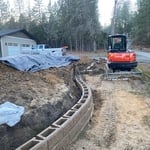
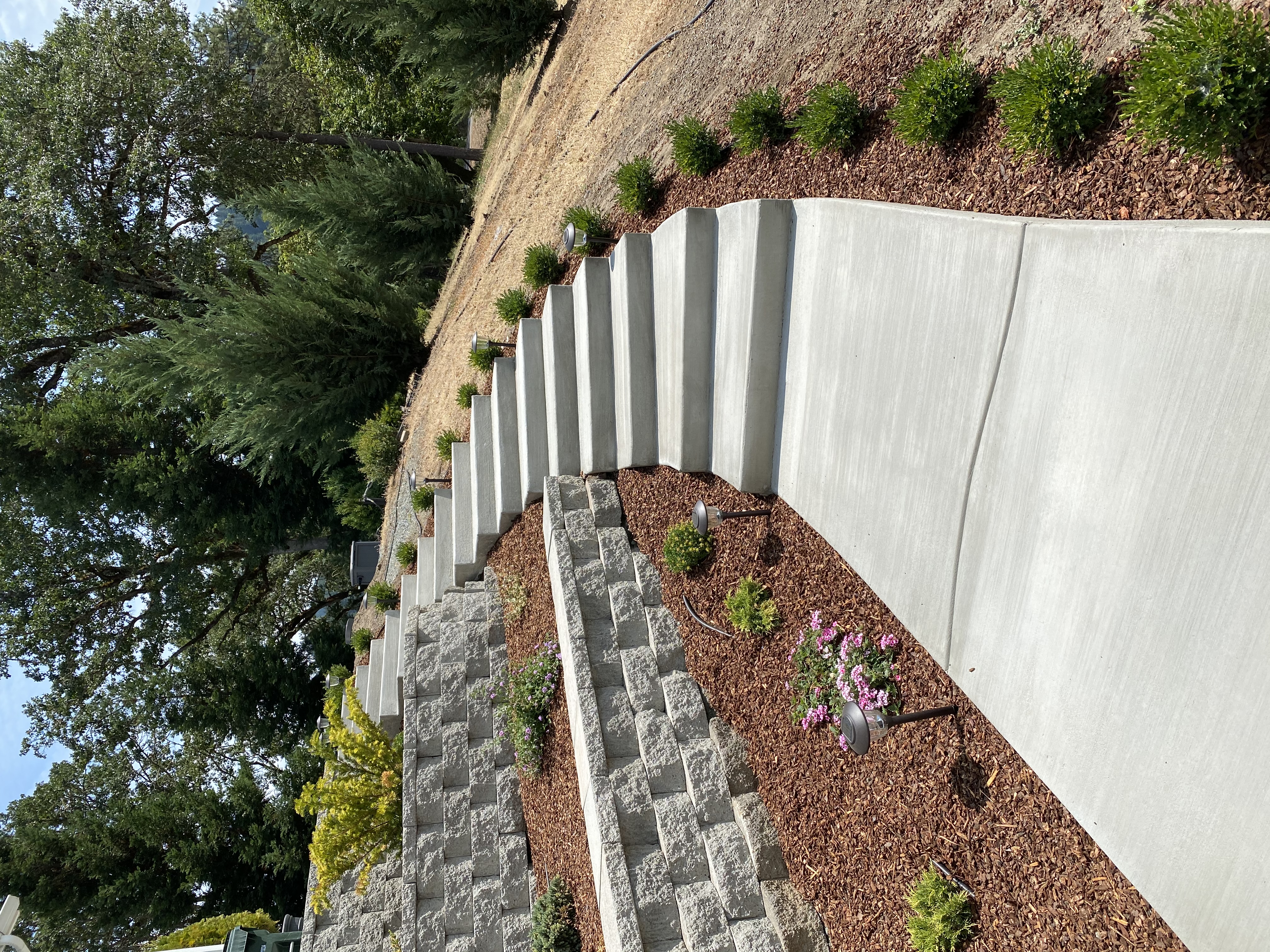
Retaining Wall - Install

Serving Williams, OR and surrounding areas

Approved

In business since 1994

Free estimates

Customers say: True professional

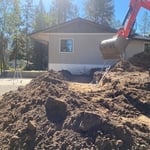
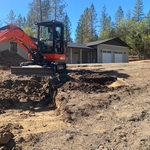
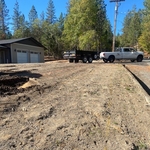
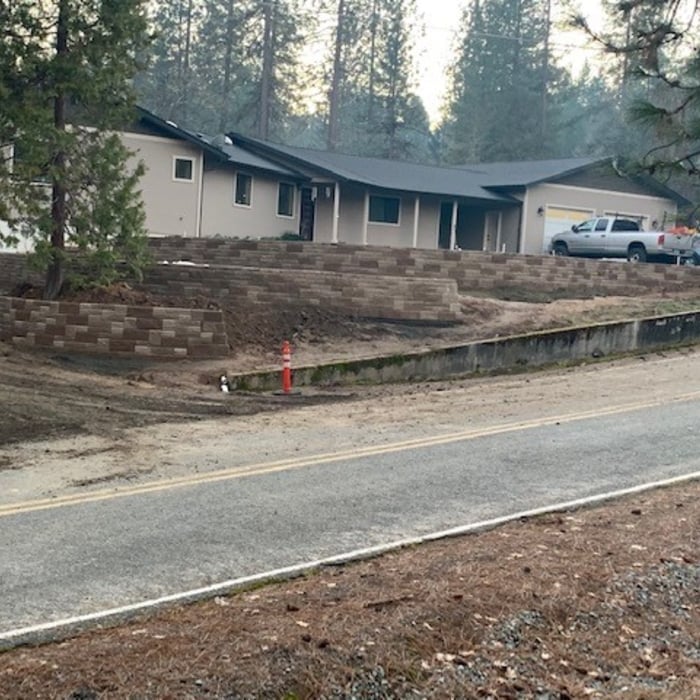
"When Chris came to bid my collapsed retaining wall, he explained the process, made good suggestions and was very knowledgeable. Great communication. His crew showed up on time and worked hard. Cleaned up very nicely when done. I am impressed! Would hire them again."
Response time1 day
Response rate94%
1 neighbors recently requested a quote
...
Showing 1-10 of 52
Masonry questions, answered by experts

Landscape boulders, especially porous stones like sandstone or granite, can crack or break over time. Cracks occur when water seeps into the surface of the stone and freezes. The risk is highest when it rains during the day and temperatures freeze overnight since the moisture has time to penetrate deeper into the rock before expanding.


A well-made brick wall can last up to 100 years if maintained properly, which includes regularly repairing the mortar every 30 to 50 years. If your brick wall is under 30 years old and is already showing signs of repair, it may be due to poor brickwork and installation. Extreme weather conditions can also accelerate a brick wall’s life span (especially the exterior of a house).

Yes, concrete is significantly stronger than masonry, especially if the concrete pour includes reinforcements, like steel rebar. Concrete is a uniform material that can withstand compression, sheer force, and tensile force as long as it’s reinforced. Masonry involves the use of mortar or grout to connect individual building materials, like brick, stone, or tile. Mortar and grout are also reasonably strong and resist compression well, but they don’t come close to the strength of poured concrete.

You can use a regular drill to make pilot holes for gutter brackets in the wooden fascia board around the top of your house, but it’s not the best tool for brick. Instead, you’ll need a heavy-duty power tool like a hammer drill with a carbide tip bit.

When painting brick, each application method has distinct advantages and disadvantages. Spraying is significantly faster but may not penetrate deeply beyond the surface layer. Rolling is effective for working paint into the brick's texture but can be less effective on mortar joints. If you opt for a roller, choose a thick nap of at least a half-inch to ensure paint gets into all the crevices for even coverage. Using a brush is generally not recommended as it is very time-consuming and provides poor surface penetration. Ultimately, a combination of spraying followed by back-rolling is often the best strategy for a durable and even finish.

The Williams, OR homeowners’ guide to masonry services

From average costs to expert advice, get all the answers you need to get your job done.