




Top-rated fireplace pros.

Get matched with top fireplace pros in Williams, OR

Enter your zip and get matched with up to 5 pros

Need a pro for your fireplace service project in Williams, OR?

Select your specific project to find the pro for you.

Find Fireplace pros in Williams

Avatar for JBC Group Solutions Inc
JBC Group Solutions Inc
4.0(
4
)
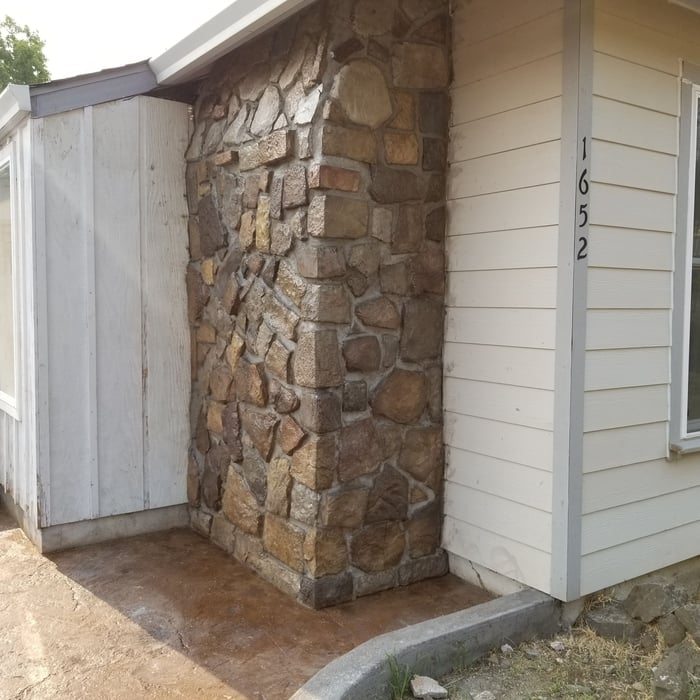
Brick or Stone Fireplace - Repair

Serving Williams, OR and surrounding areas

In business since 2007

Emergency services offered

"I have been using them for 3 years for multiple projects and would not go to somebody else. They also built a cabin in the woods. It was built 10 miles from the road so it was like carrying all the stuff up the path. They also did the garage and remodeling of the house, mostly kitchen and a little bit of plumbing work in the bathroom. I am still using them and I would be using them for the next thing that will be coming up too."
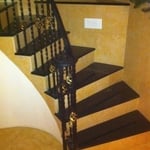
Custom Staircases
Custom Exterior Restoration
Custom Bathrooms
Recommended by75%of homeowners
Fireplaces questions, answered by experts

One disadvantage of a wood furnace is that you need a constant supply of wood to run it. Even if you have a good amount of wood on your property (or have another way to get affordable wood), you’ll still need to chop it, store it, and re-fuel your furnace with it to keep your house heated. 

The primary disadvantage of a ventless fireplace is that it doesn’t have an exterior venting system. This means that the byproducts from combustion are emitted into your home, which raises some safety concerns. In addition, ventless gas fireplaces produce moisture as they burn—and if there’s no ventilation, you could end up with a mold problem.

Yes, you can put a freestanding one in a corner if you’re tight on space. Because pellet stoves don’t get as hot as other types of wood stoves, there only needs to be 3 inches of clearance from the wall on each side. Placing it in a corner should not impact the ventilation—you’ll still need to follow safety precautions by not installing too close to a window. Typically, it’s 4 feet from a window or 18 inches if the stove uses an external air source for combustion. Always check the owner’s manual for specific instructions.

Ideally, your chimney cap should be at least 8 inches above the top of the flue, though it's better if it's even higher. You want it to sit that high because it won't affect the chimney's draft, which pulls the smoke up and out of your chimney and away from your home.

Yes, you can close off a fireplace both temporarily and permanently with extremely wide price ranges. Temporary solutions involve fireplace plugs that can be inflated to block air and deflated to open the fireplace, covers, and boards. Permanent methods of shutting off fireplaces usually involve bricking up the fireplace or covering it with drywall. No matter the method, it’s probably best to hire a professional.

The Williams, OR homeowners’ guide to fireplace services

From average costs to expert advice, get all the answers you need to get your job done.