





Top-rated masons.

Get matched with top masons in Brookings, OR

Enter your zip and get matched with up to 5 pros

Need a pro for your masonry work project in Brookings, OR?

Select your specific project to find the pro for you.

Find Masons in Brookings

Avatar for Pacific Builders Tim Hogue
Pacific Builders Tim Hogue
3.7(
35
)
Concrete Foundation - InstallFoundation Drainage - Install or ReplaceFoundation, Basement or Crawlspace - Waterproofing / Encapsulation+1 more

Serving Brookings, OR and surrounding areas

Approved

In business since 1992

Free estimates

Emergency services offered

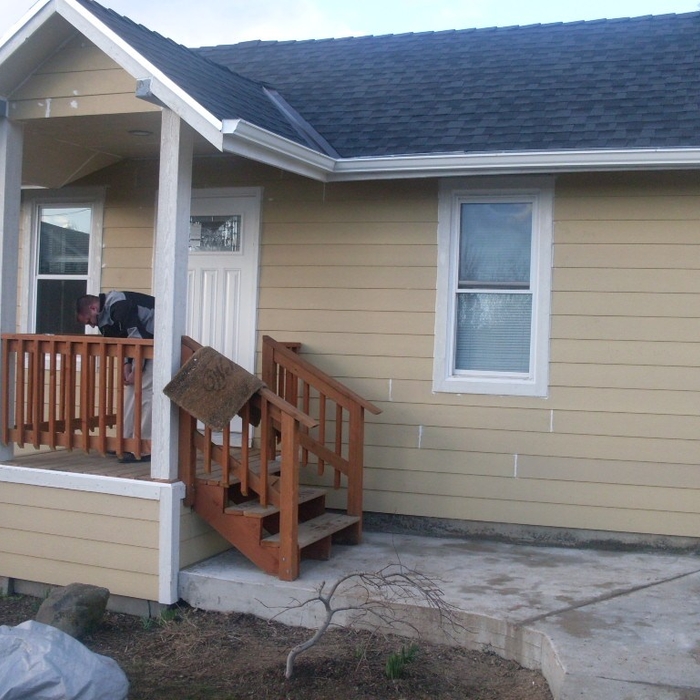
"They built a beautiful 4 seasons room for us which included demo of existing deck and metal cover. They took care of everything from foundation with drainage, roof, walls, windows, doors, siding and all. Excellent suggestions, worked well through things and gave us a beautiful elegant new room at a reasonable price."
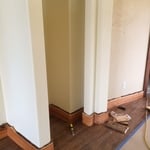
Coustom base board
Dewitt's project
Dewitt's project
Dewitt's project
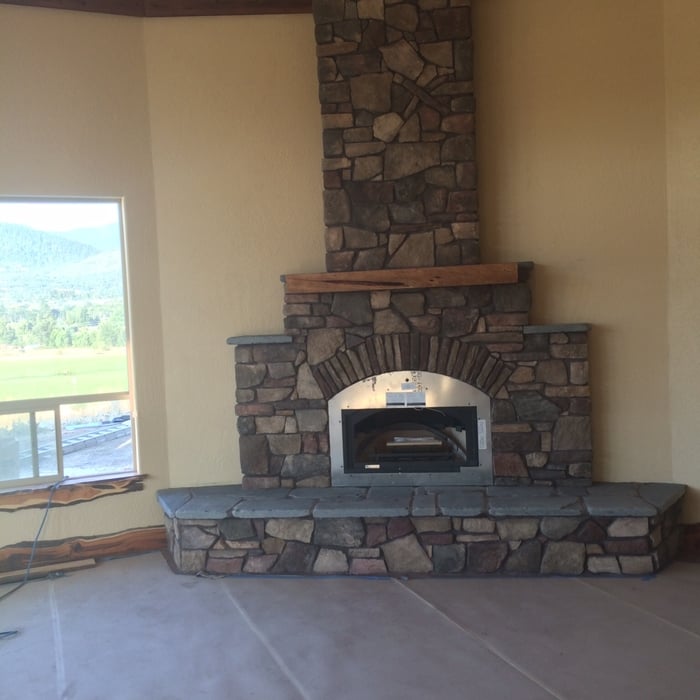
stone fire place

+42

Response time7 hrs
Response rate85%
1 neighbors recently requested a quote

Brian Franklin Millett
4.8(
5
)
Brick and Stone Flatwork - RepairBrick and Stone Patios, Walks, and Steps - InstallBrick or Stone - Tuck-pointing+9 more

Serving Brookings, OR and surrounding areas

In business since 1998

Free estimates

Warranties offered

"Brian Millett deserves more than a 5 star rating. He and his entire crew, were above and beyond. They were are on time all the way. We cannot give them enough praise, A BEAUTIFUL JOB, WELL DONE. MR. AND MRS. W.D. COOK, MEDFORD, OREGON"
Recommended by100%of homeowners
Showing 1-10 of 21
Masonry questions, answered by experts

Masonry uses units like bricks, cement blocks, and stone with mortar between them. Mortar is generally made of sand and a type of cement. Examples of masonry include the brick or stone on a house, chimney, or freestanding wall. Concrete is a mixture of water, sand, stone aggregate, and other materials, and is poured into forms or moldings. Types of concrete applications include driveways, garage and basement floors, and poured concrete walls in basements and crawl spaces.

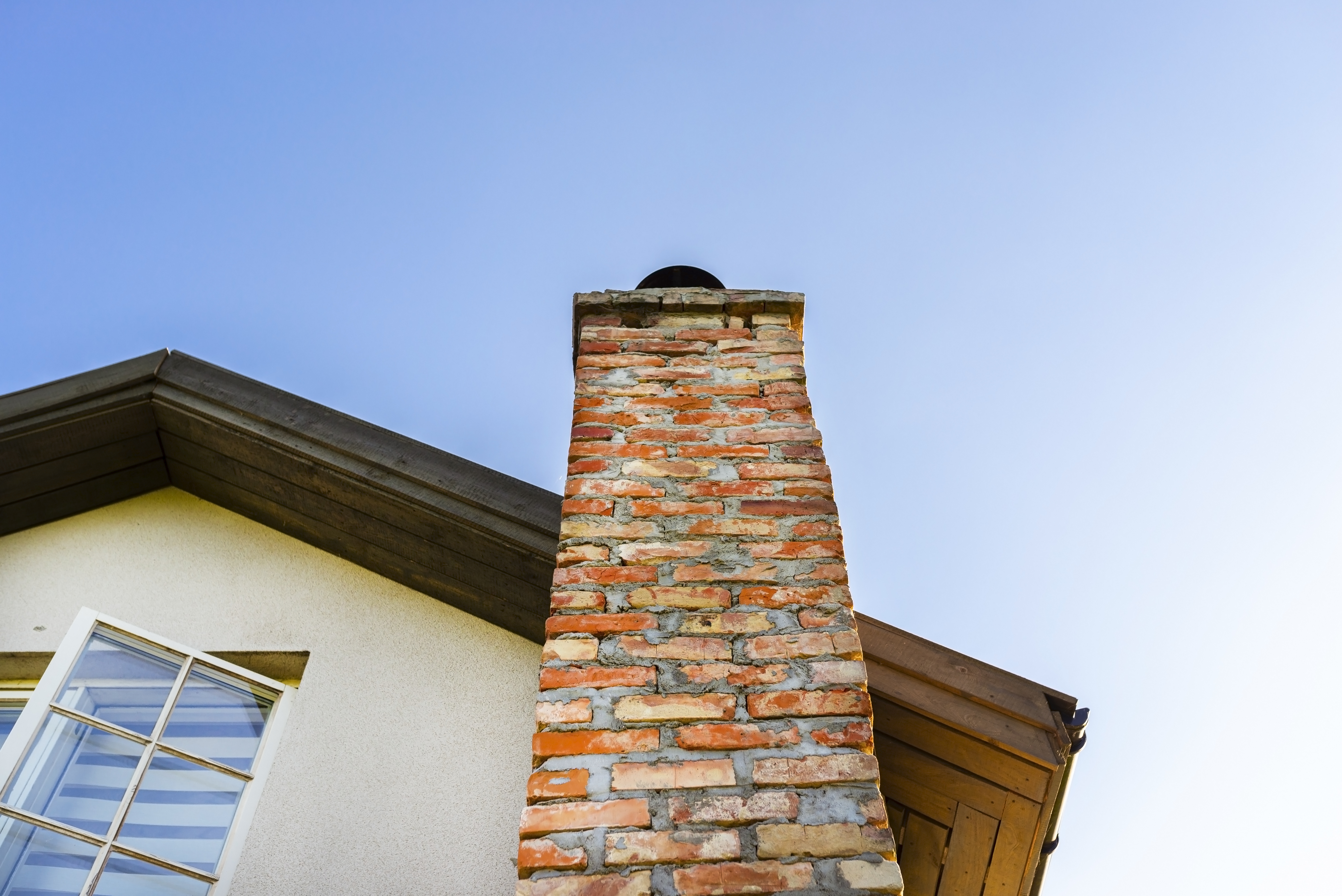
You will repoint over a fraction of the old mortar, but you should scrape away 1/2 to 1 inch of mortar from the joints before repointing. Otherwise, the repointing is only masking the weakened mortar instead of actually replacing it, which could put your chimney at risk of bigger, more expensive damages later on.

Yes, depending on the type of pavers you have, you may need a specific type of sealant. For example, concrete pavers will bond differently than clay pavers or faux stone pavers and will demand a different type of sealer. If you’re unsure of the material and what type of sealant you need, you can contact the company that laid your pavers down for you.

You should generally drill into the mortar joints when installing shutters on brick. Mortar is softer, which makes drilling easier and puts less strain on your tools. It also lowers the risk of cracking a brick—something that’s a lot harder to fix. Mortar holds fasteners well enough for standard shutters, and if you ever need to patch the holes later, it’s a much simpler job than dealing with damaged brick. Just keep in mind that if your mortar joints are too thin or the hardware calls for brick anchoring, you'll need to check the manufacturer’s recommendations and adjust accordingly.

When painting brick, each application method has pros and cons. Spraying is much faster but may not penetrate the porous surface of the bricks. Rolling is effective for getting paint into the bricks but doesn't work as well on the mortar. Brushing is very time-consuming and also won't penetrate beyond the surface. For the best results, a combination of spraying and rolling is often recommended. If you use a roller, choose a thick option (at least a half-inch) and ensure the paint gets into all the crevices for even coverage.

The Brookings, OR homeowners’ guide to masonry services

From average costs to expert advice, get all the answers you need to get your job done.