
Top-rated excavation pros.

Get matched with top excavation pros in Gladstone, OR

Enter your zip and get matched with up to 5 pros

Need a pro for your excavation project in Gladstone, OR?

Select your specific project to find the pro for you.

TRUSTED BY GLADSTONE, OR HOMEOWNERS

  • Average homeowner rating star icon4.7
    Average homeowner rating
  • Verified reviews icon205
    Verified excavation services reviews

Find Excavation pros in Gladstone

Avatar for Concrete By Design
Concrete By Design
4.9(
20
)
Building Site - Preparation and Clearing

Serving Gladstone, OR and surrounding areas

Approved

In business since 2005

Free estimates

Emergency services offered

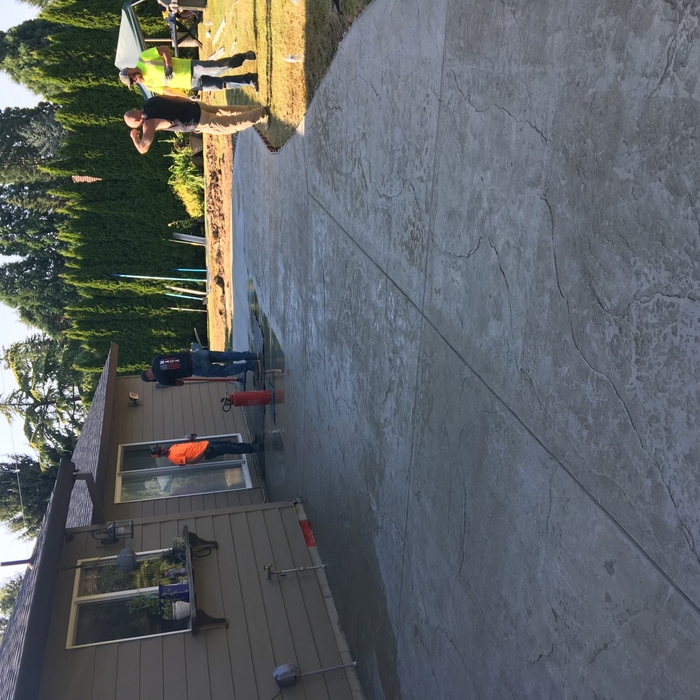
"George and his crew work very hard and do an excellent job. We made changes mid-project and they accommodated us without complaint. The crew showed up early and stayed late. George is a great communicator and his crew is respectful. We got a two car driveway install done in two days. I highly recommend them."
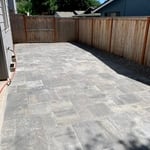
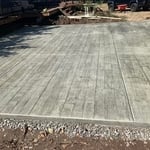
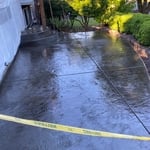
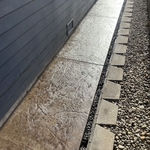
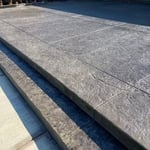
Wood stamp patio
Colored concrete stamped
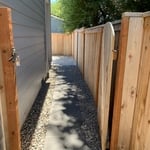
Stamp walkway
Random slate stamp
Slate stamp

+8

Response time5 hrs
35 neighbors recently requested a quote
Recommended by72%of homeowners
...
Showing 1-10 of 136
Excavating questions, answered by experts

Excavation and grading are both generally necessary for designing your foundation, and leveling the ground where your foundation will go. These steps can also prepare the area by removing vegetation and anything else that could interfere with your home’s foundation.

Sewer lines can be buried anywhere from 18 inches to 8 feet deep, with a common average depth between 18 and 30 inches. The exact depth depends on local factors like climate and soil type. In colder regions, pipes must be buried deeper (below the frost line) to prevent freezing, sometimes as deep as 8 feet. The digging depth can also impact the cost of sewer line replacement. To find the specific depth for your property, you can check the building plans for your system, which should be on file with your city or local sanitation department since permits are required for installation.

Hard soil could be a sign of overly dry dirt, either from poor drainage or drought. It's important to test the nutrient levels, density, and drainage capacity of your soil to see if it's absorbing water properly. Begin by adding a light layer of water and observing how long the soil retains moisture. If you experience a good deal of runoff, you may need to aerate your lawn, apply a wetting agent, or hire a professional for a closer look.

Yes, most services include site leveling and foundation work. Confirm with your contractor for specifics.

Trenching and boring are two distinct methods for installing underground utilities. Trenching involves digging a channel using equipment like an excavator, trencher, backhoe, or shovel. While it is a simpler process, it causes significant disruption to the surface, landscaping, and surrounding ecosystems.

Boring, also known as directional boring, is a less invasive alternative that uses a drill to create a tunnel for utility lines without disturbing the surface. This method is more precise and is ideal for installations that need to go underneath buildings, roads, or bodies of water. Although boring is less disruptive, it is generally more expensive than trenching.

The Gladstone, OR homeowners’ guide to excavation services

From average costs to expert advice, get all the answers you need to get your job done.