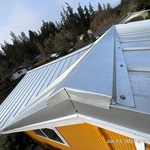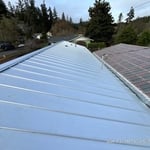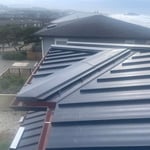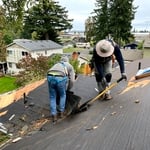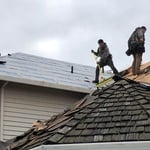





Top-rated roofers.

Get matched with top roofers in Drain, OR

Enter your zip and get matched with up to 5 pros

Need a pro for your roofing project in Drain, OR?

Select your specific project to find the pro for you.

TRUSTED BY DRAIN, OR HOMEOWNERS

  • Average homeowner rating star icon3.8
    Average homeowner rating
  • Verified reviews icon15
    Verified roofing services reviews
Roofing questions, answered by experts

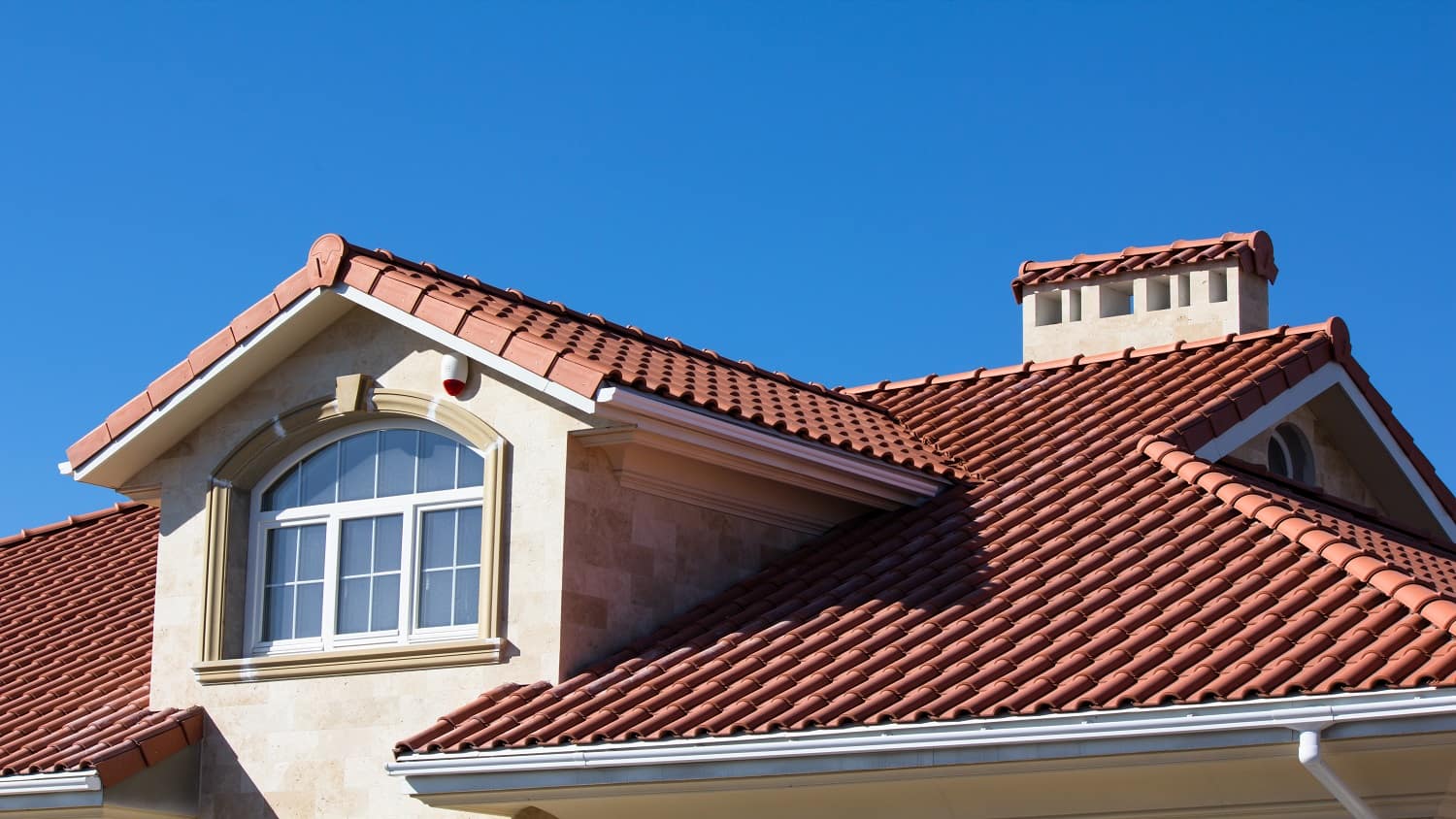
A cool roof is any heat-reflecting roof that rejects solar energy more efficiently than traditional roofing (staying about 50 degrees cooler). Thanks to this ability, a cool roof will make your home cooler on a hot, sunny day. Cool roofs come in a variety of materials, including asphalt, wood, or polymer shingles, clay or concrete tiles, metal, and more.
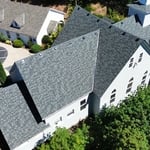
Roof blistering and hail damage are different in their physical appearance. Blistering, often caused by inadequate ventilation, low-quality material, and improper installation, looks like large, irregular bubbles popping out of your roof. Meanwhile, hail damage is usually circular or oval dents entering your roof and often follows the same path as the hail storm.

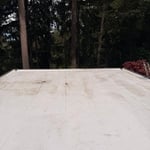
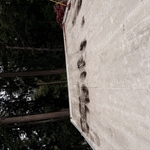
Flat roofs are a solid option for people who want extra outdoor space. Flat roofs are very common in other parts of the world and only recently has the U.S. started to see the benefit in the increased space. Flat roofs are also easier to maintain and pose much less of a safety risk, which allows for more DIY work for handy homeowners. Some people also build green or living roofs that grow plant life. 

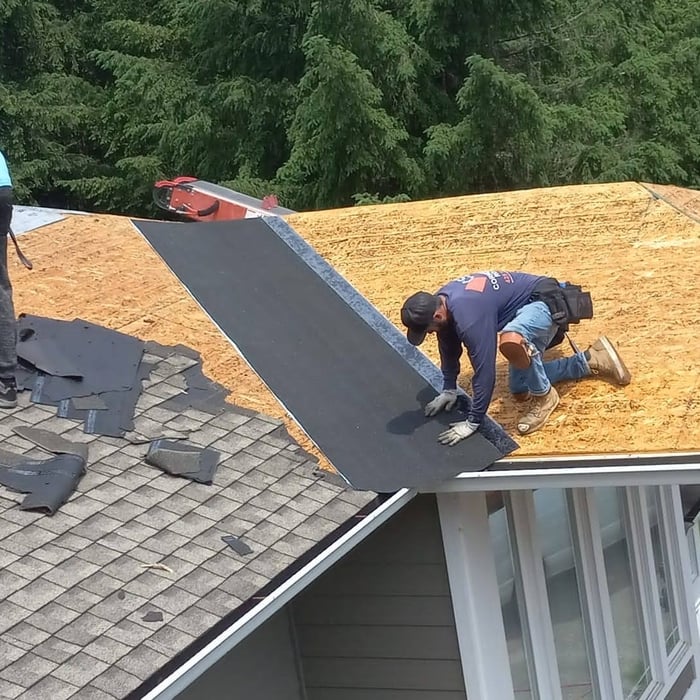
You shouldn’t put a new roof underlayment over an old one for a few reasons. Old felt must be removed in order to assess the condition of your roof decking, such as rotting wood or other structural issues. Also, if your roofer doesn't install a fresh layer of felt as is required by shingle manufacturers, your warranty may be voided. Finally, old underlayment removal is often included in the cost of roof repair or replacement, so there's no real benefit to leaving it on before installing a new layer.

Underlayment is required by building code, so any roof installed without it is technically against code. The underlayment acts as the second layer of defense against water, so installing a roof without underlayment means a much higher risk of roof leaks. You’ll have the best chance of avoiding roof leaks if you install drip edge flashing covered by underlayment, and then install your roofing material over that.

The Drain, OR homeowners’ guide to roofing services

From average costs to expert advice, get all the answers you need to get your job done.

What do you need done? We’ll find top pros.
  • 🌱 "Mow a small front yard"
  • 🛠 "Fix a leaking pipe under the sink"
  • 🏠 "Repair shingles on an asphalt roof"