





Top-rated generator install pros.

Get matched with top generator install pros in Cascade Locks, OR

Enter your zip and get matched with up to 5 pros

Need a pro for your generator install project in Cascade Locks, OR?

Select your specific project to find the pro for you.

Find Generator install pros in Cascade Locks

Avatar for JBC Group Solutions Inc
JBC Group Solutions Inc
4.0(
4
)

Serving Cascade Locks, OR and surrounding areas

In business since 2007

Emergency services offered

"They did a real good job. They were real professional. We can now open the garage door from the inside of the house and now it is so smooth that we have to check to see if we hit the button to open it or close it.  Before we used to know when it was opening or closing because it used to make a noise. It helps when you move to a city where you are new. "
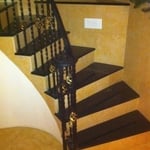
Custom Staircases
Custom Exterior Restoration
Custom Bathrooms
Recommended by75%of homeowners

Generator Install questions, answered by experts

You can determine what size generator you need for a transfer switch by matching the switch to the largest outlet on your generator. Larger generators can power up to 10 circuits, while most 5,000-watt generators can provide power to six circuits. So, if your generator’s largest outlet is 30 amps, you’ll need a 30-amp transfer switch.

If you’re deciding between a solar battery versus a generator for the best backup power solution, you can take a few factors into consideration. Solar batteries are quiet while generators can be quite loud. Generators have a lower up-front cost, but they require fuel and ongoing maintenance while solar batteries are more expensive but don’t have many ongoing costs.

Generators run on a variety of fuel types, ranging from natural gas to solar power. Keep in mind that fuel costs varying by type:

  • Natural gas: $2,000–$21,000 per year 

  • Liquid propane: $2,000–$21,000 per year

  • Diesel: $3,000–$20,000 per year

  • Gasoline: $500–$3,000 per year

  • Solar generator: $2,000–$25,000 per unit

  • Battery backup: $10,000–$25,000 per unit

You can expect a diesel generator to last for up to 30,000 hours of use, which works out to 20 to 25 years with the proper maintenance, of course. That depends on how much you use it, so a diesel generator used for emergencies a couple of times a year will last a lot longer than a generator that takes over for a faulty electrical grid every month for a day or two. 

To determine the right size generator for your house, you should calculate the total wattage of the appliances and devices you want to power during an outage. List all essential items, note their start-up wattages, and add them together.

Here are some typical wattage requirements for common appliances:

  • Refrigerator: 600 watts

  • Large dehumidifier: 700 watts

  • Large window air conditioner: 1,400 watts

  • Water heater: 3,000 to 4,500 watts

  • Electric furnace: 5,000 to 25,000 watts

A 7,500-watt generator might be sufficient for essentials like a refrigerator, freezer, well pump, and lighting circuits. However, for high-demand items like a water heater or furnace, a whole-home generator is a better choice. A portable generator may be enough if you only need to power a few critical items.

While home square footage can offer a rough estimate, it is not always a reliable indicator. For reference, here are some typical generator sizes based on square footage:

  • 1,000 sq ft: 6–9 kW

  • 1,500 sq ft: 7–10 kW

  • 2,000 sq ft: 10–14 kW

  • 2,500 sq ft: 12–16 kW

  • 3,000 sq ft: 16–20 kW+

For the most accurate sizing, consult a professional who can calculate your home's peak and average power consumption and recommend the optimal generator.

The Cascade Locks, OR homeowners’ guide to generator installs

From average costs to expert advice, get all the answers you need to get your job done.