

Top-rated generator install pros.

Best generator install pros near Rhododendron, OR

Enter your zip and get matched with up to 5 pros

Need a pro for your generator install project in Rhododendron, OR?

Select your specific project to find the pro for you.

Top-Rated Generator install pros in Rhododendron - Updated Nov 2026

Avatar for JBC Group Solutions Inc
JBC Group Solutions Inc
4.0(
4
)
Fixed Generator - InstallFixed Generator - RepairGenerator - Install+4 more

Serving Rhododendron, OR and surrounding areas

In business since 2007

Emergency services offered

"They did a real good job. They were real professional. We can now open the garage door from the inside of the house and now it is so smooth that we have to check to see if we hit the button to open it or close it.  Before we used to know when it was opening or closing because it used to make a noise. It helps when you move to a city where you are new. "
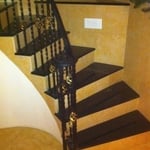
Custom Staircases
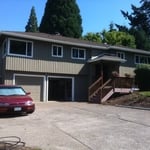
Custom Exterior Restoration
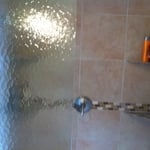
Custom Bathrooms
Recommended by75%of homeowners
Community Electric LLC
New to Angi
Fixed Generator - InstallFixed Generator - RepairPortable Generator - Install+1 more

Serving Rhododendron, OR and surrounding areas

In business since 2019

Free estimates

Offers commercial services

Community Electric is committed to excellence in every aspect of our business. We uphold a standard of integrity bound by fairness, honesty, and personal responsibility. Our distinction is the quality of service we bring to our customers. Accurate knowledge of our trade combined with ability is what makes us true professionals. Above all, we are watchful of our customers' interests, and make their concerns the basis of our business. We hope too seeing you soon!

Generator Install FAQs, answered by experts

The amount of time a standby generator can run continuously is around 3,000 hours on average. However, standby generators can generally run indefinitely as long as they have a continuous fuel supply. Generators hooked up to a home’s natural gas supply are the best option for extended usage, as these won’t rely on a finite fuel supply based on how much you have in storage. Generators running on liquid propane or diesel won’t last as long, as these require fuel storage and regular refueling to stay running.

No, you should never plug a generator directly into a wall outlet in your house. This practice is extremely dangerous, often illegal, and can cause "back-feeding," where power from the generator flows back into utility lines, creating a life-threatening hazard for utility workers. It can also damage your home's electrical system, including appliances like pumps and HVAC fans. If the main power is restored while the generator is connected, it can destroy the generator and cause an electrical fire. To safely connect a generator, you must use a professionally installed transfer switch or an interlocking kit, which prevents back-feeding by disconnecting your home from the utility grid before the generator provides power.

Here’s what you can run with different wattages and types of generators:

Portable generator:

  • 2,000 watts can handle a large appliance like a freezer or refrigerator, plus a few smaller items like phones or computer chargers. 

  • 4,000 watts will keep two large appliances operating and a few smaller devices.

  • 8,000 watts should power most essential appliances and other devices, including a sump pump, well pump, or your dishwasher.

Partial to whole-house generator:

  • 20,000 watts and above will make it seem like your home’s power is still on.

In most municipalities, you will need a permit to install a permanent home generator, including emergency backup, partial-home, and whole-home generators. A permit for a generator usually costs between $50 and $250, depending on where you live. Your electrician or certified generator installer will usually pull the permit for you—and might be required to do so by your building department—but you’ll be on the hook for the cost of the permit. You should ask your installer before agreeing to any work if they will pull the necessary permits for your project.

In many cases, yes. There are models called dual-fuel generators and fuel switches, but only between certain types of fuel. For example, with the right setup you can convert a generator from natural gas to propane. Some allow switching between diesel and gasoline. There are even tri-fuel generators available in some cases, which adds a large layer of security if you are worried about fuel availability in times of crisis. Always check your generator capabilities and manual instructions before trying to switch fuels. Some generators can use another fuel but may need a fuel conversion kit to prep them first.

The Rhododendron, OR homeowners’ guide to generator installs

From average costs to expert advice, get all the answers you need to get your job done.