



Top-rated drywall pros.

Get matched with top drywall pros in Keota, OK

Enter your zip and get matched with up to 5 pros

Need a pro for your drywall service project in Keota, OK?

Select your specific project to find the pro for you.

Find Drywall pros in Keota

Avatar for Right Choice Roofing
Right Choice Roofing
5.0(
21
)
Drywall - InstallDrywall - Install - For BusinessDrywall - Repair+1 more

Serving Keota, OK and surrounding areas

In business since 2007

Free estimates

Emergency services offered

"After noticing a leak, I called Right Choice Roofing to help assess the damage. They've replaced countless roofs in my neighborhood. Even though I was ready to file a claim, Billy advised otherwise being that the damage would not offset the deductible. They were professional, courteous and got the job done in a timely manner."
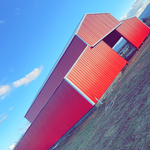
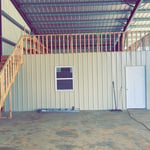
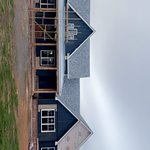
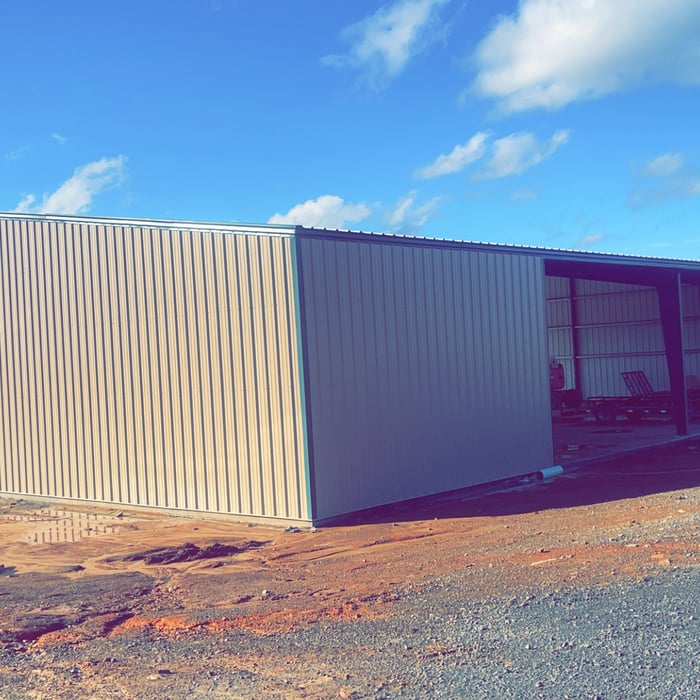
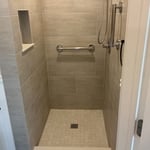
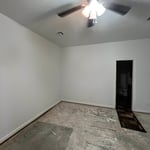
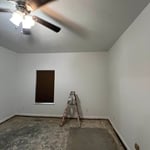
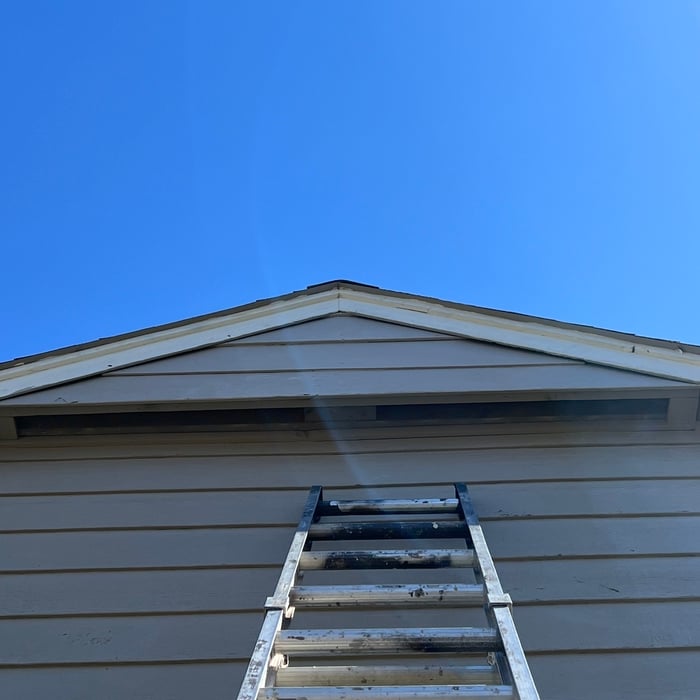
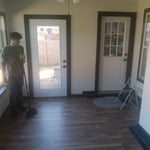
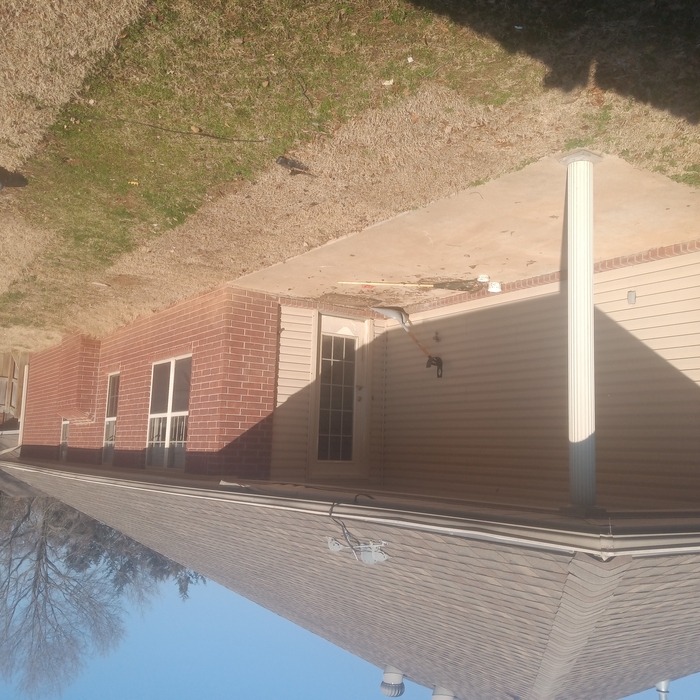
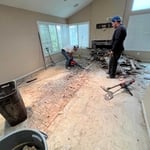
Additional Photos
Additional Photos
Recommended by100%of homeowners
...
Showing 1-10 of 95
Drywall questions, answered by experts

It doesn’t matter which way you lay drywall, and you can choose to install it horizontally or vertically depending on the size of the wall and how tall the ceiling is. It’s easier to lay drywall sheets vertically if you have a taller ceiling, but laying sheets horizontally makes it easier to apply joint compound.

Yes, even if you’re being careful, removing tile can damage your drywall to some degree. However, you can minimize the damage done to it by eliminating a majority of the grout and taking your time prying each tile off. Also, it's worth noting that you might have more drywall damages to deal with if your tile is set into the mortar.

Drywall anchors won’t work on plaster. Instead, they will more than likely cause more damage and pull out the plaster. The best type of anchors to use on plaster walls are the ones that will bite into the surrounding area, such as molly bolts and toggle bolts. Masonry anchors with expanders on the sides also work for lighter pictures.

Although they have similar applications, spackle and joint compound are not the same. Their primary differences lie in their composition, consistency, and ideal use cases.

Spackle is composed of gypsum and binding agents, making it thicker than joint compound. It dries quickly and is easy to sand, which makes it ideal for small wall repair projects like filling nail holes or patching minor damage.

Joint compound, also known as drywall mud, consists of limestone and gypsum. It is primarily used for large-scale projects, such as taping and finishing the seams on newly installed drywall. It tends to shrink more than spackle and can be more difficult to spread.

While both products can be used to fill small depressions and cracks, spackle cannot replace joint compound for taping and mudding new drywall. Conversely, you can often use joint compound for small patching jobs typically done with spackle.

Venetian plaster is a highly durable wall finish that becomes a rock-like substance once dried, making it last longer than most other wall finishes. Its lifespan can range from decades to centuries, potentially lasting a lifetime. Key factors influencing its longevity include the quality of the initial application, whether it's properly sealed against moisture, and how the wall is maintained and treated (e.g., how often it is touched or bumped). Due to its mineral content, it can also develop a patina over time.

The Keota, OK homeowners’ guide to drywall services

From average costs to expert advice, get all the answers you need to get your job done.