







Top-rated drywall pros.

Get matched with top drywall pros in Bokoshe, OK

Enter your zip and get matched with up to 5 pros

Need a pro for your drywall service project in Bokoshe, OK?

Select your specific project to find the pro for you.

Find Drywall pros in Bokoshe

Avatar for Right Choice Roofing
Right Choice Roofing
5.0(
21
)

Serving Bokoshe, OK and surrounding areas

In business since 2007

Free estimates

Emergency services offered

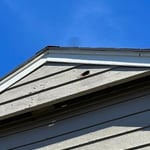
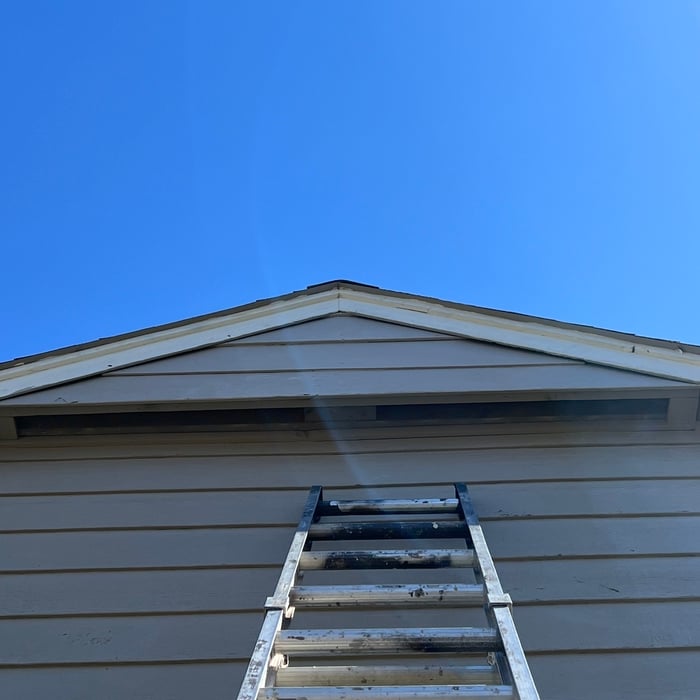
"After noticing a leak, I called Right Choice Roofing to help assess the damage. They've replaced countless roofs in my neighborhood. Even though I was ready to file a claim, Billy advised otherwise being that the damage would not offset the deductible. They were professional, courteous and got the job done in a timely manner."
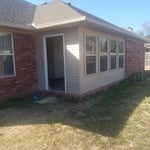
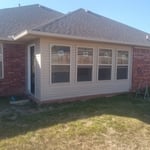
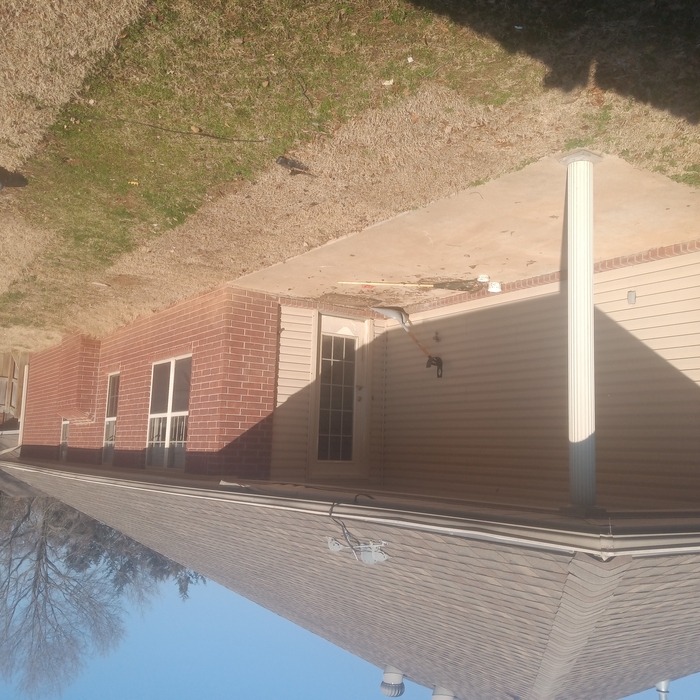
Additional Photos
Additional Photos
Recommended by100%of homeowners
...
Showing 1-10 of 88
Drywall questions, answered by experts

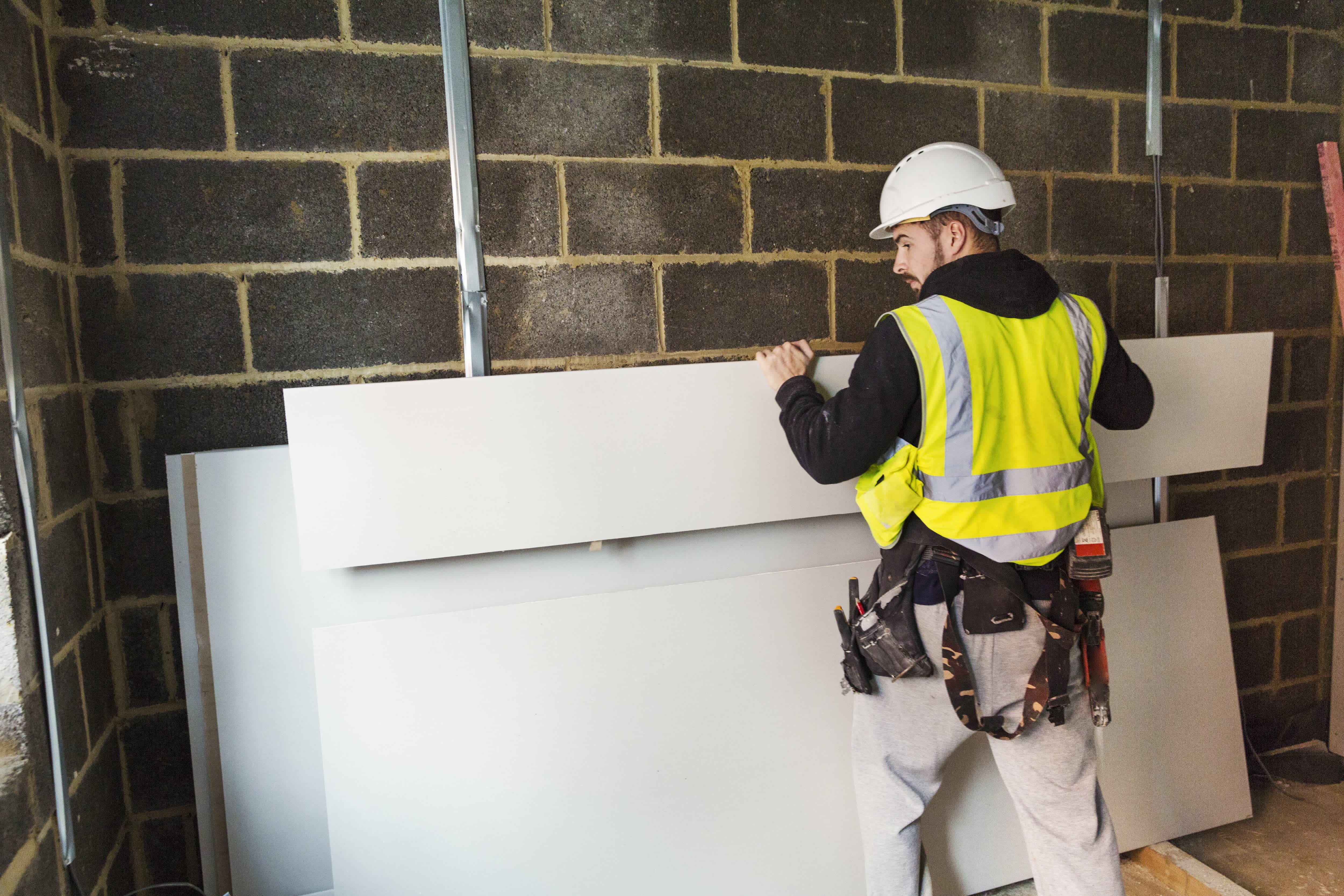
You should always hang drywall from the top down. Starting at the top makes it easier to create a straight, tight line between the ceiling and the wall. Any gaps that occur will be at the bottom, where they are easier to manage. You can either cut the bottom piece of drywall to fit the remaining space or cover the gap with baseboard trim. Additionally, starting at the top is physically easier, as you won't have to fit the top sheet into a tight space between the lower sheet and the ceiling, or try to balance the upper sheets on the lower ones while securing them.

In framing, studs are placed at 16-inch intervals to coincide with the typical spacing of wall materials such as drywall or plywood. This spacing is called "on-center" and is necessary for maintaining structural stability and efficient use of materials. The 16-inch spacing also helps to distribute the weight evenly across the building's structure. For those looking to cut material costs and improve energy efficiency, 24-inch stud spacing can be employed through a method called "advanced framing". This requires careful planning and adherence to local building codes to ensure structural integrity.

Yes, even if you’re being careful, removing tile can damage your drywall to some degree. However, you can minimize the damage done to it by eliminating a majority of the grout and taking your time prying each tile off. Also, it's worth noting that you might have more drywall damages to deal with if your tile is set into the mortar.

Very little. One inch of water can stain walls, warp wood, and create a perfect environment for mold growth. One to two inches of water can do significant damage to drywall, insulation, and electrical systems. Anything over that is considered an extensive flood, often resulting in severe structural damage.

If your home was built before the 1940s and was not remodeled in the past 50 or so years, you probably have plaster walls. Aside from assuming, there are some practical ways to tell if you have plaster walls, including the following: If you knock on the wall and it feels solid, not hollow, if you can’t insert a thumbtack easily, if there are cracks that look like spiderwebs, or if your home has curved, arched, or swirled walls, doorways, or window openings.

If you have an unfinished basement or attic, you could examine the backs of any finished walls to check, too.

The Bokoshe, OK homeowners’ guide to drywall services

From average costs to expert advice, get all the answers you need to get your job done.