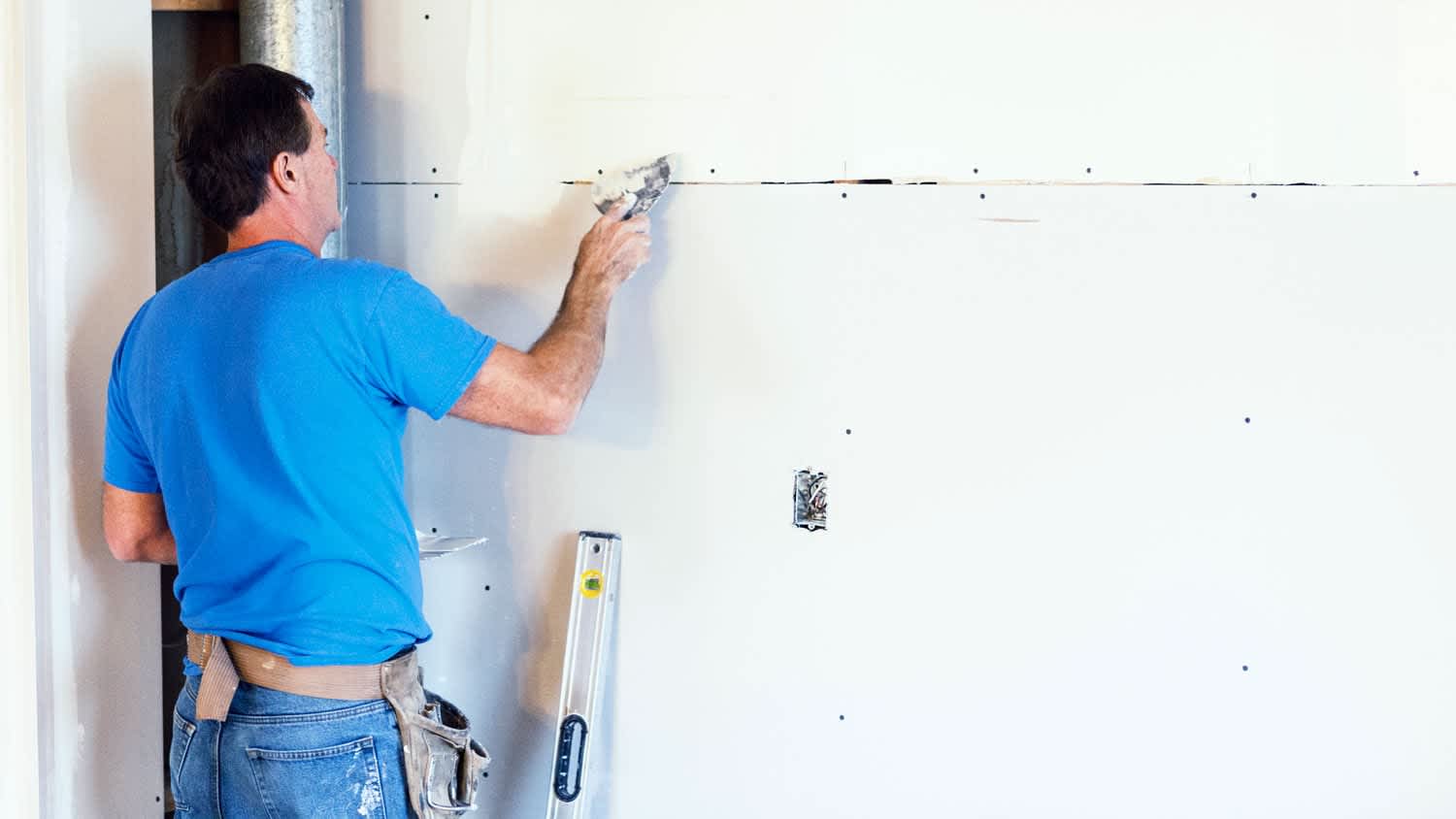
Top-rated drywall pros.

Get matched with top drywall pros in Poteau, OK

Enter your zip and get matched with up to 5 pros

Need a pro for your drywall service project in Poteau, OK?

Select your specific project to find the pro for you.

Find Drywall pros in Poteau

Avatar for Right Choice Roofing
Right Choice Roofing
5.0(
21
)
Drywall - InstallDrywall - Install - For BusinessDrywall - Repair+1 more

Serving Poteau, OK and surrounding areas

In business since 2007

Free estimates

Emergency services offered

"After noticing a leak, I called Right Choice Roofing to help assess the damage. They've replaced countless roofs in my neighborhood. Even though I was ready to file a claim, Billy advised otherwise being that the damage would not offset the deductible. They were professional, courteous and got the job done in a timely manner."
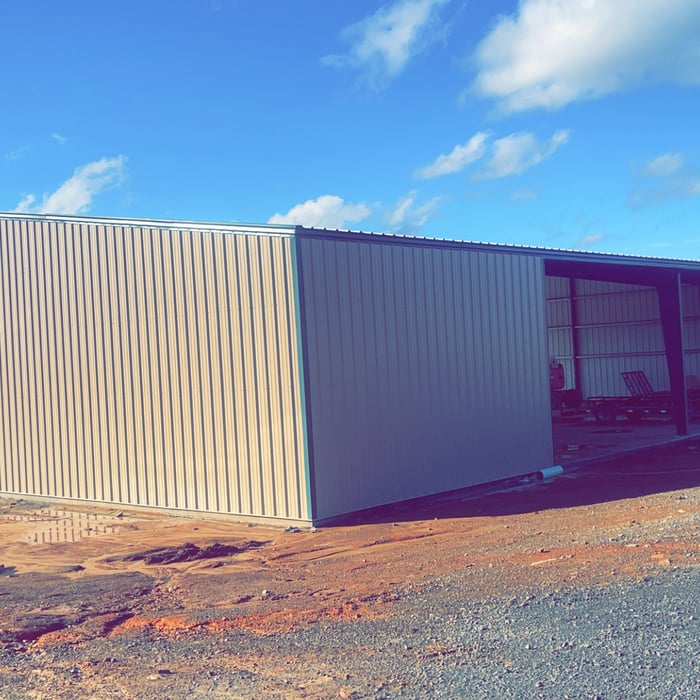
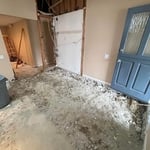
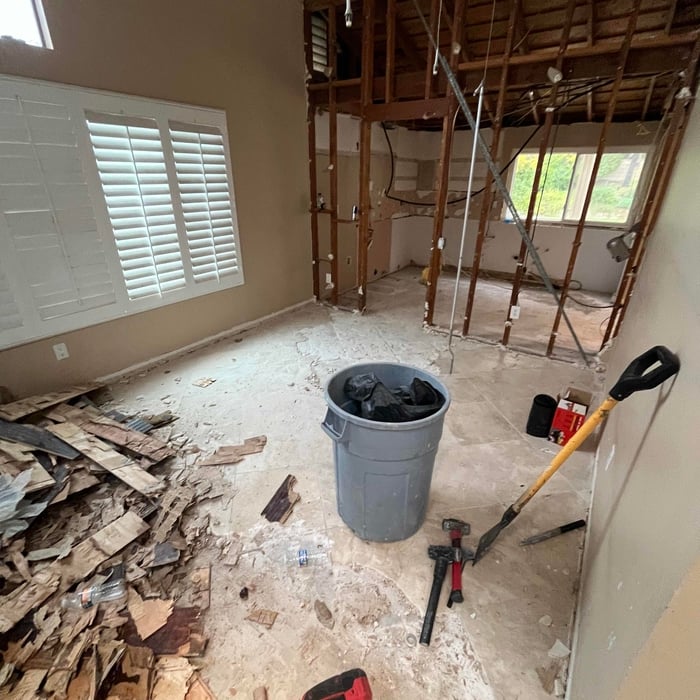
Additional Photos
Additional Photos
Recommended by100%of homeowners
...
Showing 1-10 of 82
Drywall questions, answered by experts

You can put certain types of plaster over other types, but doing so isn't always the best idea. For example, putting a coat of gypsum over lime plaster is possible, but doing so will limit the lime plaster's breathability and potentially affect its performance.

Since cement plaster tends to leave a textured surface, no matter how much you smooth it, some people prefer to use gypsum plaster as a topcoat over cement plaster, creating a smoother surface.

Only use spackle on plaster walls when the imperfection is small. It’s best used for nail holes or small dings in the plaster. Spackle dries quickly, allowing you to continue the repair process shortly after using it. Plaster can be tricky to repair, though, so if you run into issues, call a pro so that you don’t risk further damage.
You should leave a gap between drywall sheets because they naturally expand and contract along with the building framing as temperature and humidity change. Most pro drywall installers leave a gap of about ⅛ inch between drywall sheets, allowing the sheets to expand, contract, and shift without cracking or becoming damaged. If you don’t leave enough gaps between slabs, the edges will press against each other when they expand, and the pressure can cause visible cracks.

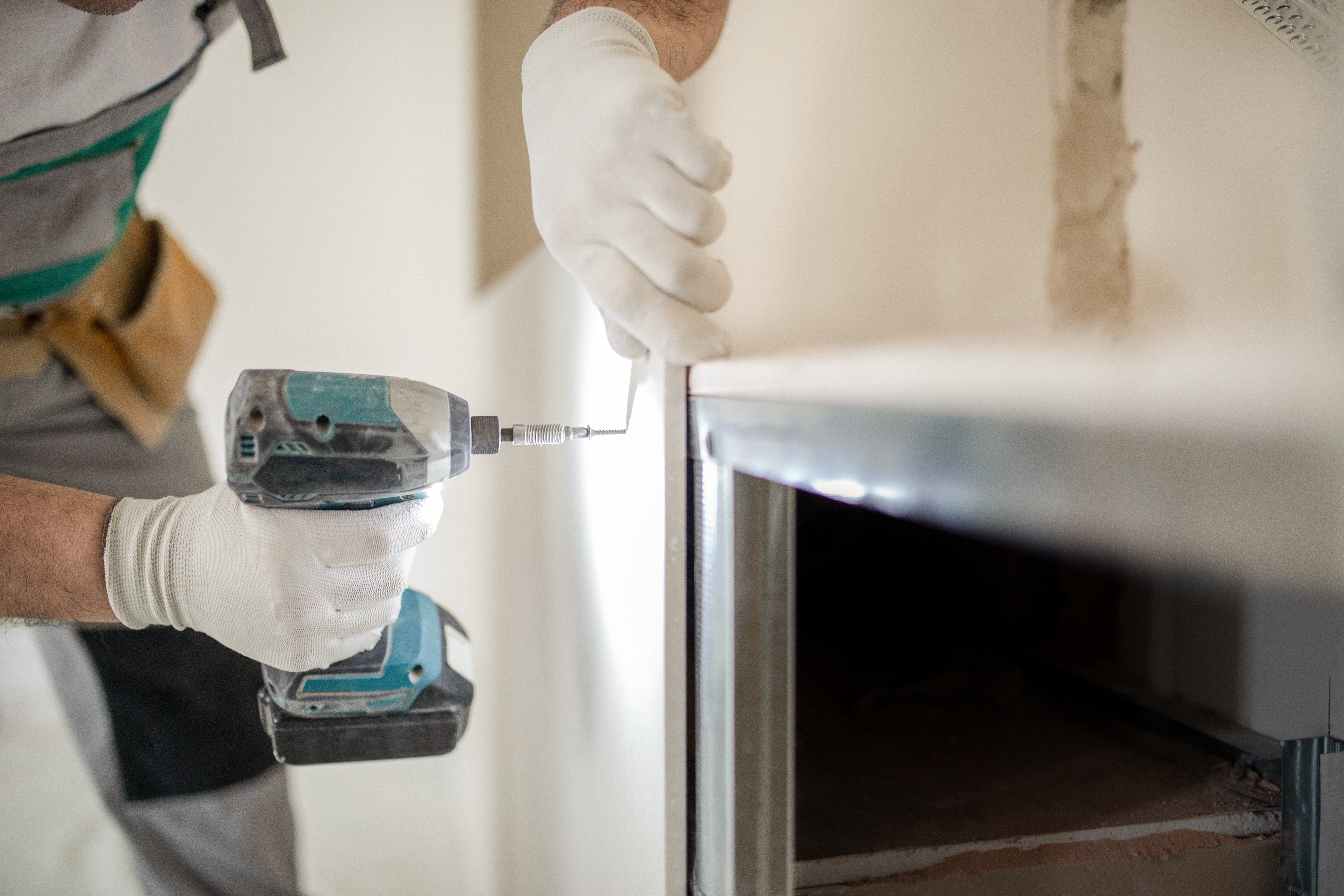
The easiest way to cut holes in drywall for electrical boxes is to use a spiral saw with a drywall router bit. Hang the drywall without cutting out a hole for the box, but make sure you measure and mark where the box is located on the wall. Once you screw in the drywall sheet, drill a small hole into the box void, insert the spiral saw bit, and move it around the edge of the box using the inside wall as a guide. You can also use an oscillating multi-tool with an electrical box cutout for fast, professional results.

The two most common drywall thicknesses for ceilings are 1/2-inch and 5/8-inch. For most standard residential applications, 1/2-inch drywall is sufficient and widely used. It provides adequate support and is lighter and easier to handle during installation compared to thicker sheets. However, 5/8-inch drywall is often used for specific cases where additional benefits are needed. It is heavier but provides superior sound dampening and fire resistance. You should consider using 5/8-inch drywall for ceilings in commercial buildings, between a garage and a living space, or above a finished basement to meet building codes or for enhanced soundproofing.

The Poteau, OK homeowners’ guide to drywall services

From average costs to expert advice, get all the answers you need to get your job done.