

Top-rated drywall pros.

Get matched with top drywall pros in Stigler, OK

Enter your zip and get matched with up to 5 pros

Need a pro for your drywall service project in Stigler, OK?

Select your specific project to find the pro for you.

Find Drywall pros in Stigler

...
Showing 1-10 of 83
Drywall questions, answered by experts

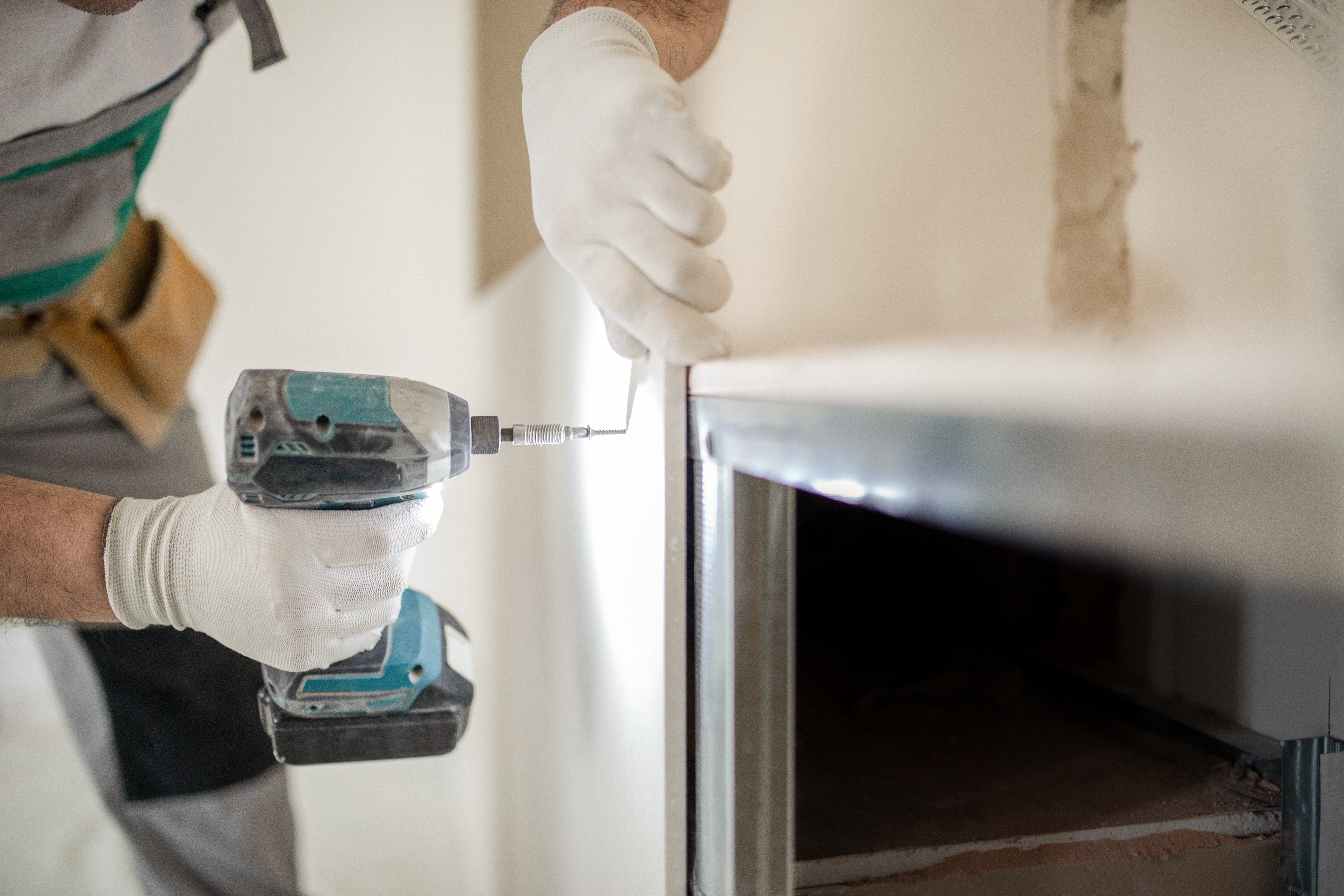
The easiest way to cut holes in drywall for electrical boxes is to use a spiral saw with a drywall router bit. Hang the drywall without cutting out a hole for the box, but make sure you measure and mark where the box is located on the wall. Once you screw in the drywall sheet, drill a small hole into the box void, insert the spiral saw bit, and move it around the edge of the box using the inside wall as a guide. You can also use an oscillating multi-tool with an electrical box cutout for fast, professional results.

It’s not a good idea to plaster over broken plaster (unless by broken you’re referring to cracked, in which case that’s perfectly fine). However, broken plaster can be a sign of a larger underlying issue like foundation damage or severe damage to the lath holding up the plaster, so it’s worth investigating before you simply plaster on top of the damage.

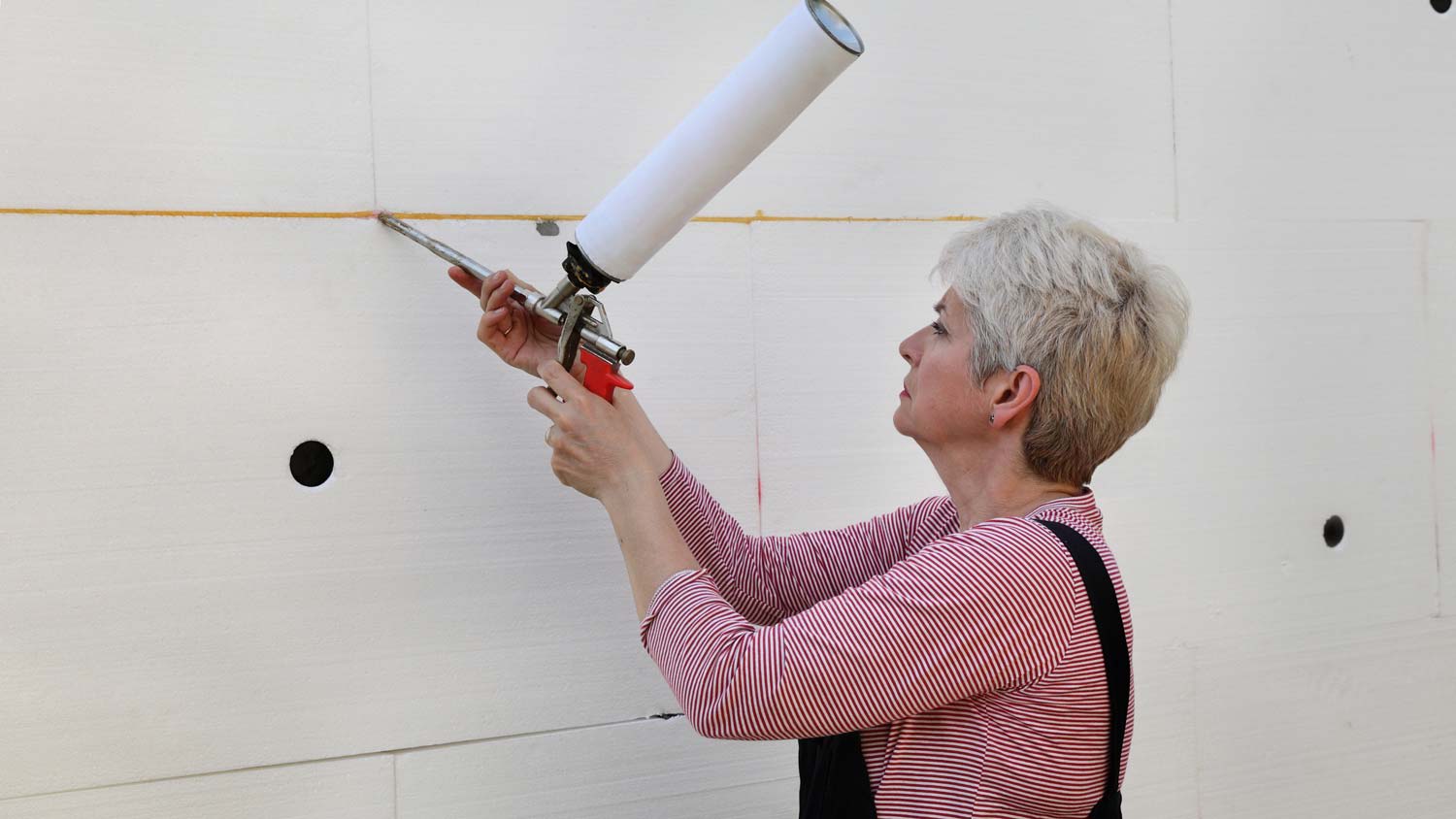
While not always necessary, you can glue a drywall ceiling in addition to using screws or nails. Drywall is typically secured to ceiling joists with fasteners, which is often sufficient. However, adding construction adhesive can offer benefits like preventing sagging, bridging gaps, and reducing air leaks for better energy efficiency. It may also be used for specific acoustic or insulation needs. On the other hand, many professionals advise against it because properly placed screws make the drywall structural, glue doesn't add strength, and it makes future repairs or replacements significantly more difficult. Ultimately, it's best to follow local building codes and project-specific requirements to decide if adhesive is right for your ceiling.

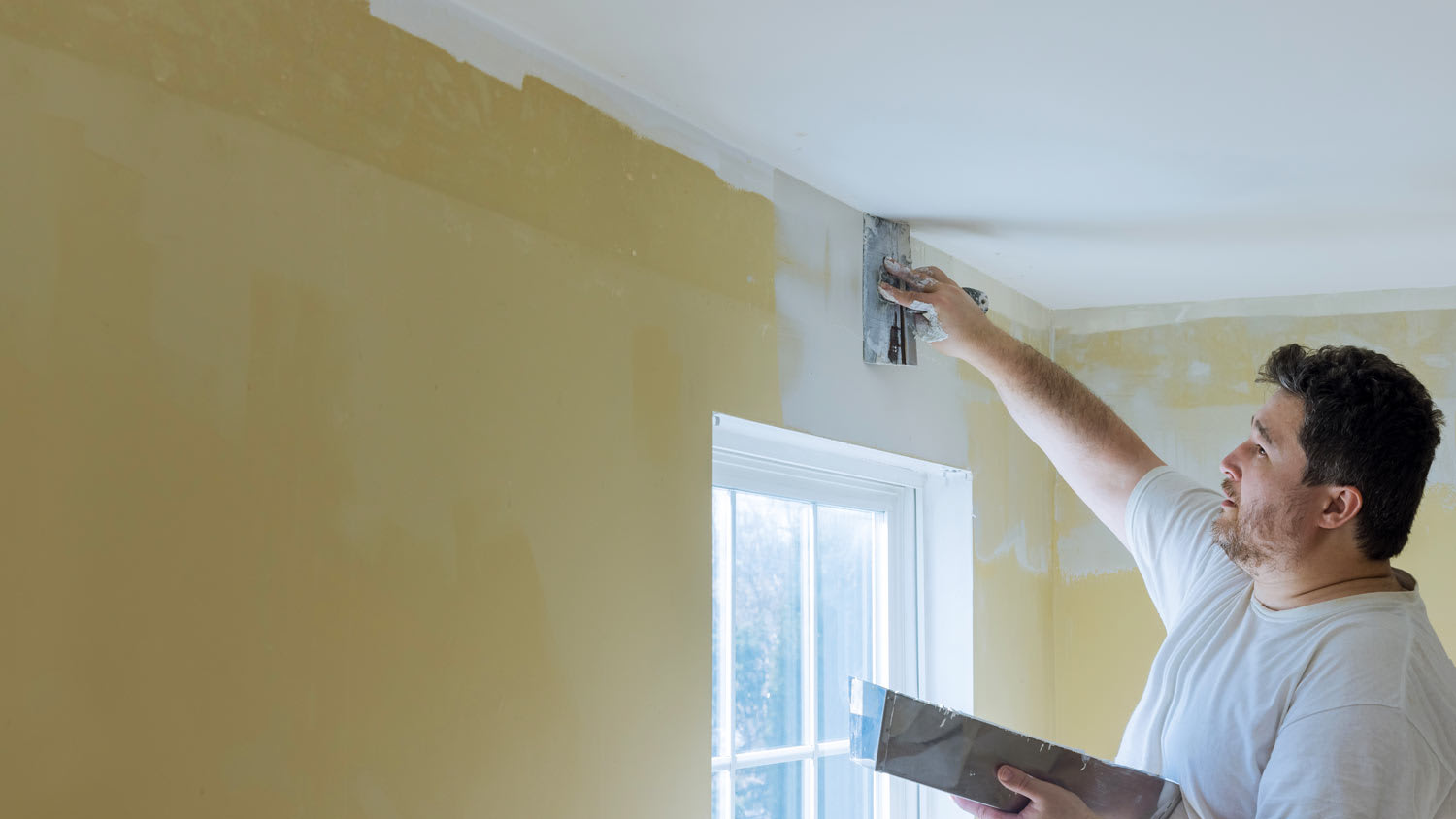
Yes, taping inside corners is a critical step in the drywall installation process.  Properly taping inside corners is essential for achieving a professional look, and an installation that resists cracking and maintains its integrity over time. Taping the corners involves the application of a joint compound along the seam where two drywall pieces meet. This process provides reinforcement, conceals the seam, and prevents future gaps or cracks from developing.

Although they have similar applications, spackle and joint compound are not the same. Their primary differences lie in their composition, consistency, and ideal use cases.

Spackle is composed of gypsum and binding agents, making it thicker than joint compound. It dries quickly and is easy to sand, which makes it ideal for small wall repair projects like filling nail holes or patching minor damage.

Joint compound, also known as drywall mud, consists of limestone and gypsum. It is primarily used for large-scale projects, such as taping and finishing the seams on newly installed drywall. It tends to shrink more than spackle and can be more difficult to spread.

While both products can be used to fill small depressions and cracks, spackle cannot replace joint compound for taping and mudding new drywall. Conversely, you can often use joint compound for small patching jobs typically done with spackle.

The Stigler, OK homeowners’ guide to drywall services

From average costs to expert advice, get all the answers you need to get your job done.