

Top-rated drywall pros.

Get matched with top drywall pros in Roland, OK

Enter your zip and get matched with up to 5 pros

Need a pro for your drywall service project in Roland, OK?

Select your specific project to find the pro for you.

TRUSTED BY ROLAND, OK HOMEOWNERS

  • Average homeowner rating star icon4.5
    Average homeowner rating
  • Verified reviews icon13
    Verified drywall services reviews

Find Drywall pros in Roland

Avatar for J M R Drywall
J M R Drywall
4.6(
18
)
Drywall - RepairDrywall - Repair - For Business

Serving Roland, OK and surrounding areas

Approved

In business since 1986

Free estimates

Customers say: True professional

"Excellent customer service, very polite and professional. Did a fantastic job repairing dry wall damage and texturizing the patch. This contractor does not do the painting, though, so be prepared to do it yourself or hire another professional. Price was very reasonable."
Wall repair
Response time11 hrs
Response rate93%
Recommended by87%of homeowners
...
Showing 1-10 of 115
Drywall questions, answered by experts

Knowing what causes drywall damage can help stop it before it starts. Here are some of the most common causes of drywall damage: 

  • Water damage from roof leaks or leaky pipes. 

  • Small holes caused by doorknobs, minor accidents, and rodent infestations. 

  • Wall dents stemming from moving furniture and minor accidents. 

  • Wall cracks that form from a settling foundation or seismic activity. 

  • Nail pops from nails and screws in the walls. 

  • Large holes that are caused by accidents with heavy objects, children and pets, or sporting equipment.

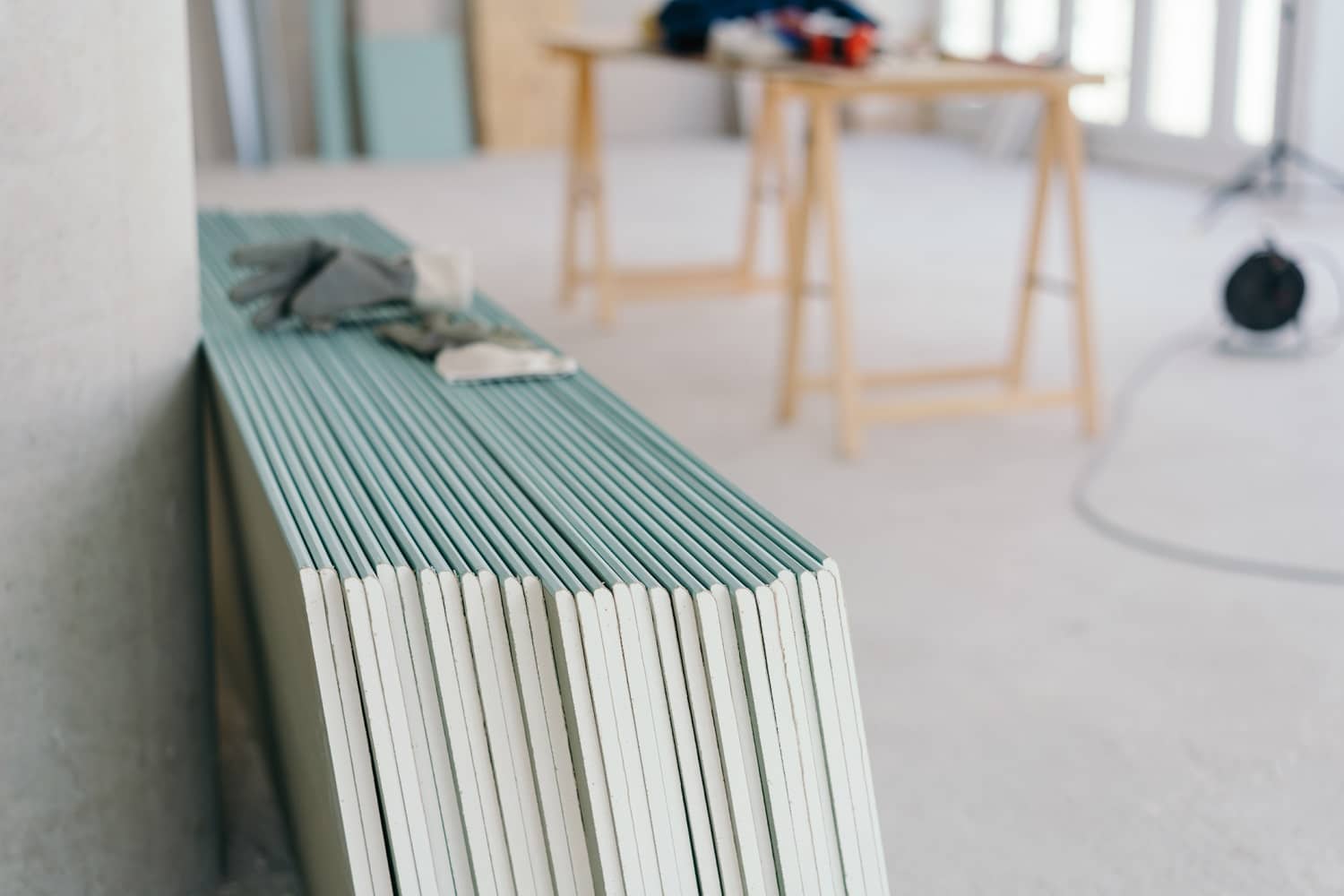
The two most common drywall thicknesses for ceilings are 1/2-inch and 5/8-inch. For most standard residential applications, 1/2-inch drywall is sufficient and widely used. It provides adequate support and is lighter and easier to handle during installation compared to thicker sheets. However, 5/8-inch drywall is often used for specific cases where additional benefits are needed. It is heavier but provides superior sound dampening and fire resistance. You should consider using 5/8-inch drywall for ceilings in commercial buildings, between a garage and a living space, or above a finished basement to meet building codes or for enhanced soundproofing.

Options include bricks, natural stone, and concrete blocks. Choose based on durability, aesthetics, and budget.

You’ll get better results if you soundproof the whole wall. A hole through which light can pass can also let sound waves in. Acoustical or silicone sealant applied to holes and cracks can block enough sound to make a difference. However, the more layers absorb vibrations and slow or stop sound waves, the less noise you’ll have. 

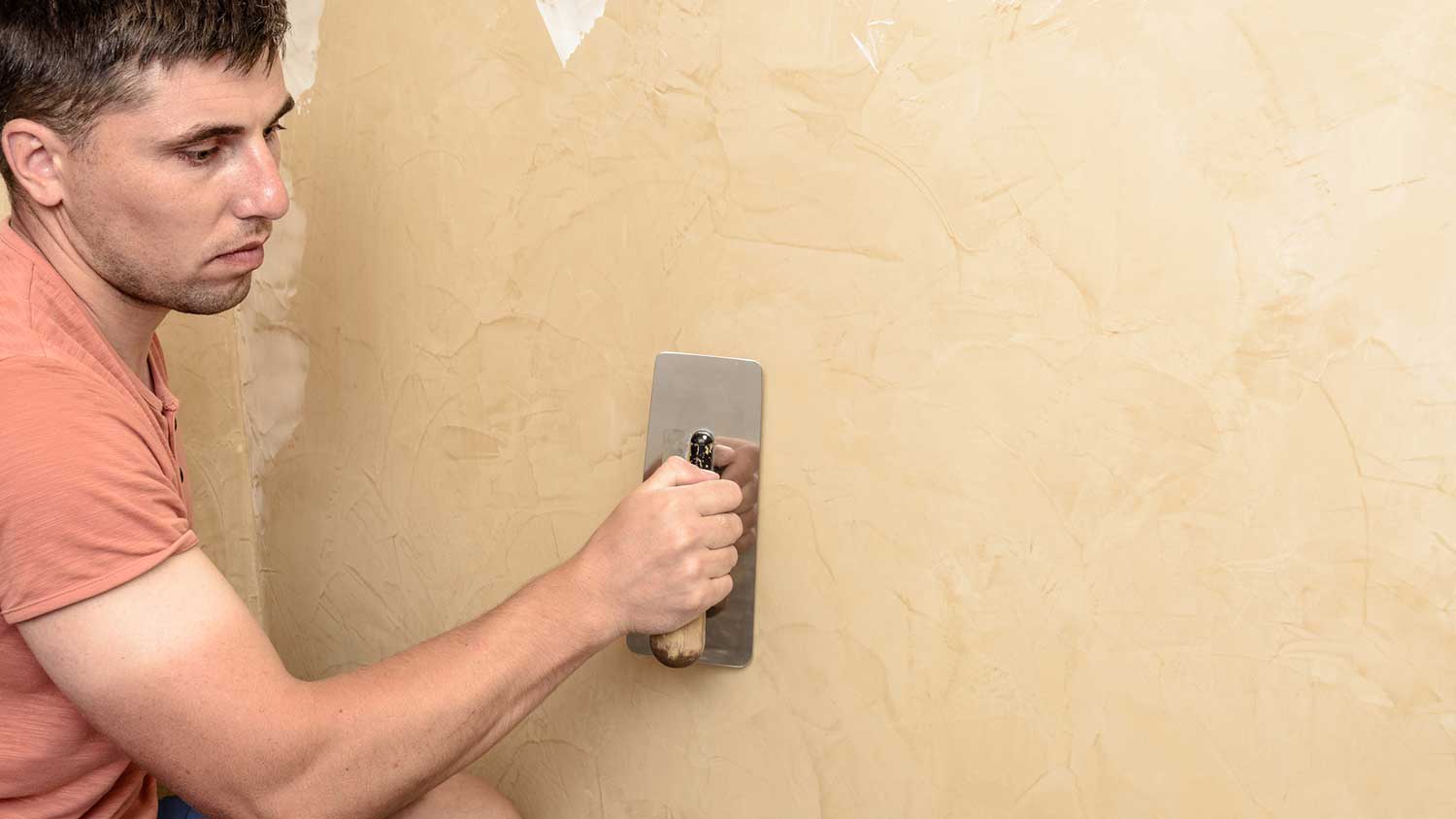
You can put drywall mud over paint to even out the surface or entirely resurface it. Sand the surface with 280-grit sandpaper, vacuum the debris and dust with a shop vac, and clean it with a slightly damp cloth. Allow the surface to dry. Apply drywall primer, especially if you’re skim-coating an entire wall. Apply the right type of drywall mud over the surface and smooth it with a trowel. Allow the layer to cure fully, then sand it before applying another layer or painting it.

The Roland, OK homeowners’ guide to drywall services

From average costs to expert advice, get all the answers you need to get your job done.