


Top-rated paving pros.

Get matched with top paving pros in Hugo, OK

Enter your zip and get matched with up to 5 pros

Need a pro for your paving service project in Hugo, OK?

Select your specific project to find the pro for you.

Find Paving pros in Hugo

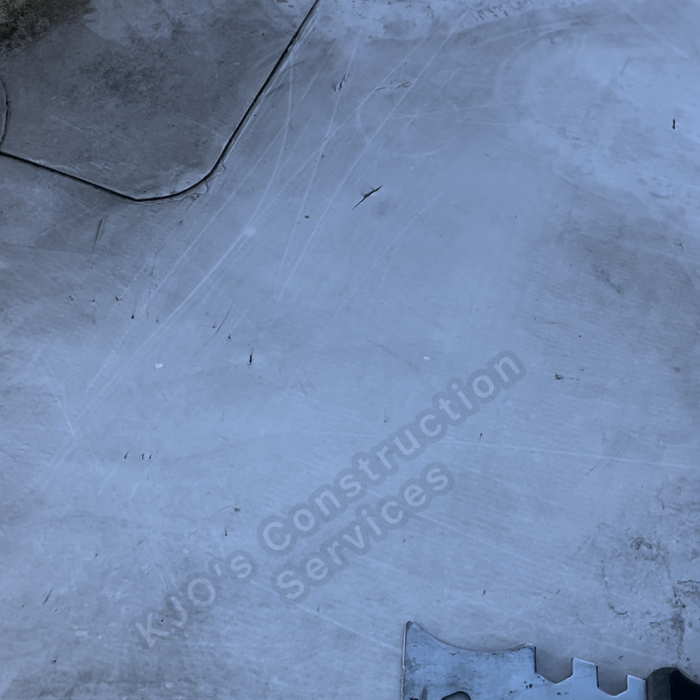
Avatar for KJO’s Construction Services
KJO’s Construction Services
New to Angi
Interlocking Pavers for Patios, Walks & Steps - Install

Serving Hugo, OK and surrounding areas

Approved

Free estimates

Emergency services offered

Warranties offered

Send an email to [email protected] or a text to 972-897-8535 about your project to give you a quote & get it done as fast as possible.\n\nKJO’s Construction Services takes pride in waterproofing if you have any water leaks we can take a look & fix it, also we specialize in window wet glazing, painting, roofing, masonry & brick, restoration, carpentry, siding, stucco & texture, etc.

Leak inspection & repair

+59

2 neighbors recently requested a quote
Showing 1-10 of 36
Paving Services questions, answered by experts

A driveway's lifespan varies by material. Asphalt driveways typically last 15 to 30 years, while concrete driveways last longer, between 20 and 50 years. The longevity of any driveway is affected by factors like extreme temperatures, heavy traffic, and the quality of maintenance. Regular upkeep, such as filling cracks, resealing the surface, and ensuring proper drainage, can help extend its life. For gravel driveways, regrading to fill in uneven areas every year or two is recommended.

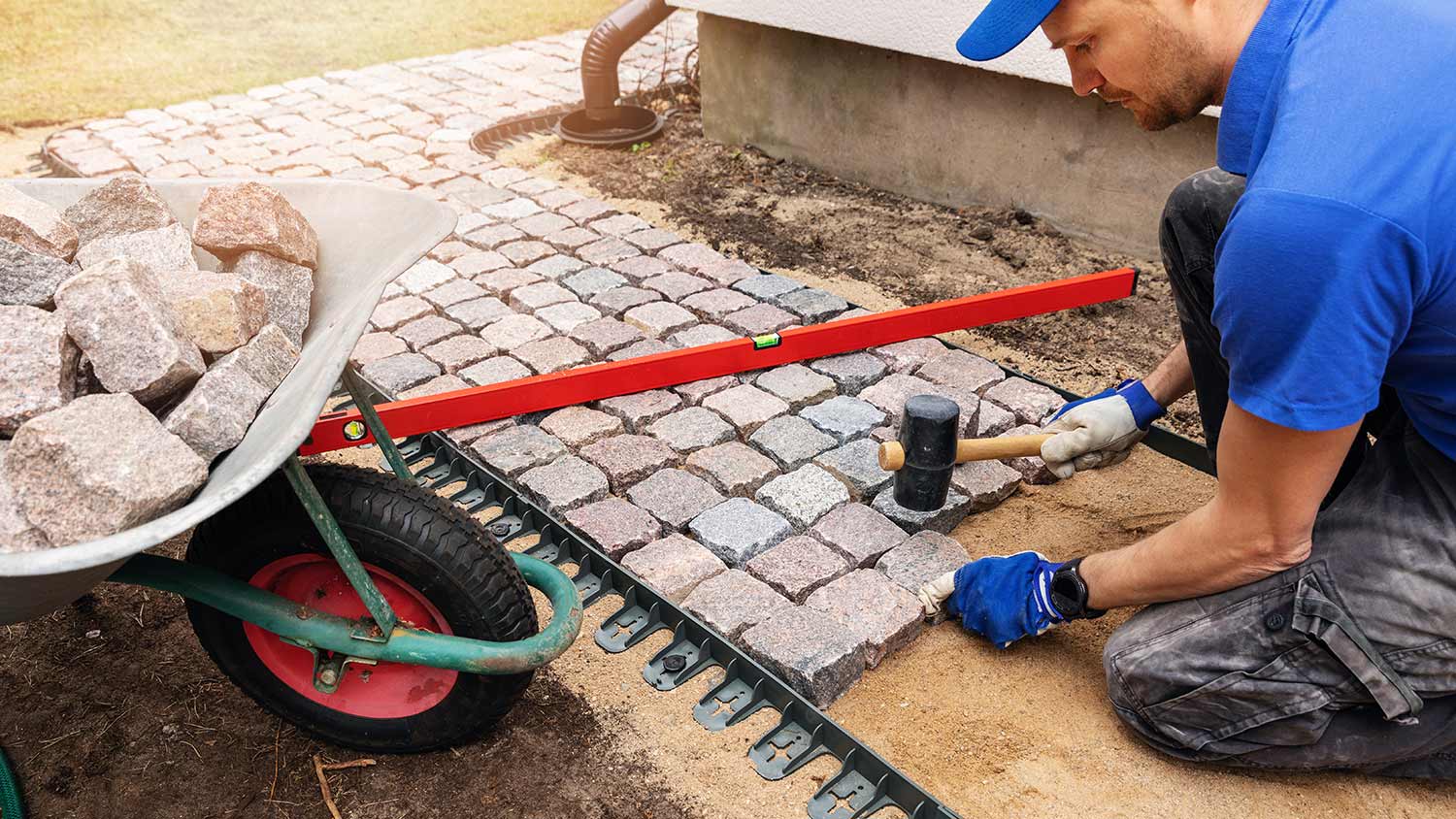
If pavers are uneven but not sunken, lift the affected bricks and check the bedding sand underneath. In many cases, simply smoothing out or adjusting the sand is enough to level them. Add or remove small amounts as needed, then press the pavers back into place and tap them with a mallet until they sit evenly with the surrounding surface.

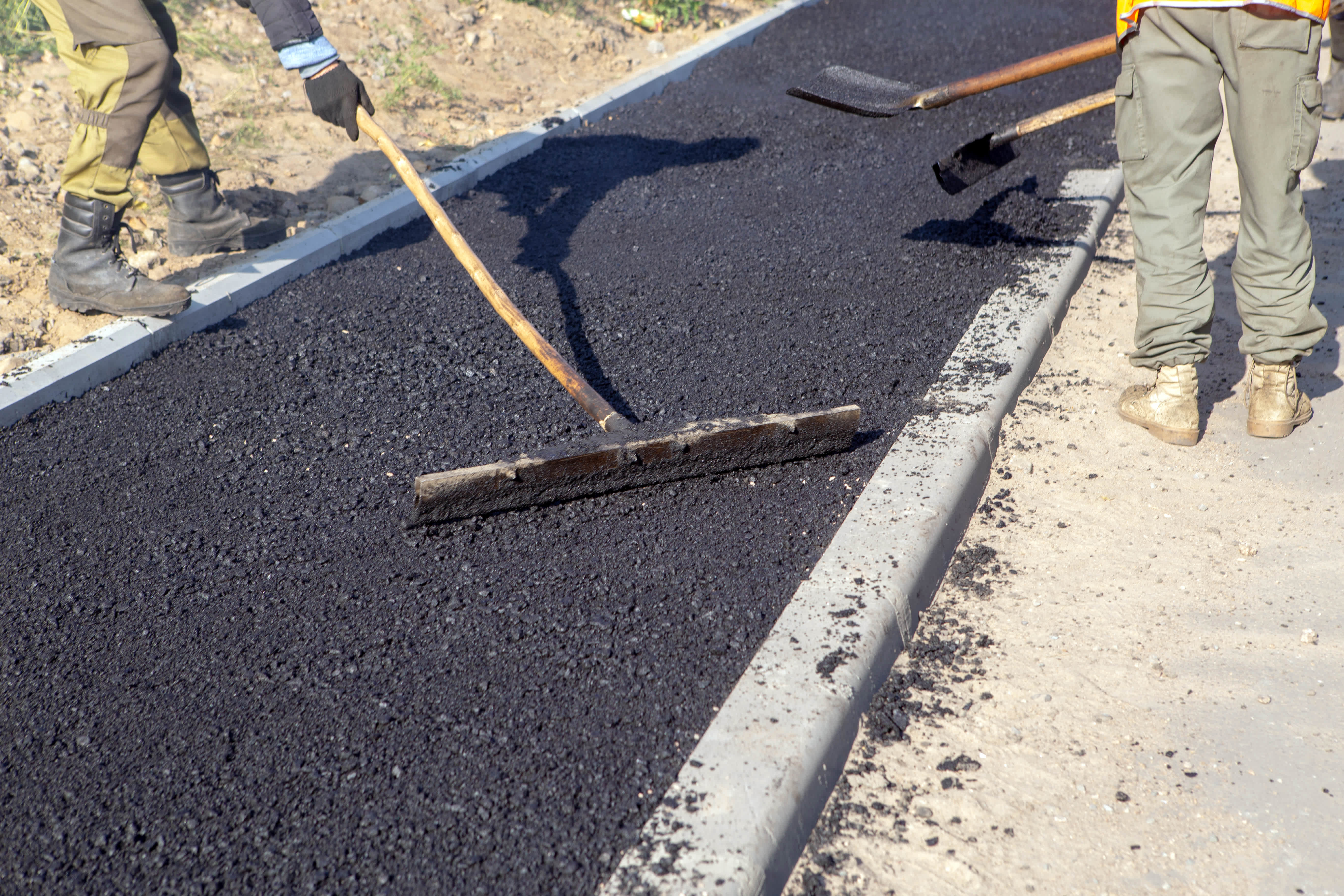
Asphalt and tarmac are not the same thing. Traditional tarmac, short for tarmacadam, uses tar as a binder to hold crushed stone together. Asphalt uses bitumen—a byproduct of crude oil—to bind aggregate. Though tarmac was once a go-to for roads, asphalt has become the modern standard. And these days, most surfaces referred to as “tarmac” are actually asphalt. So, while the names may overlap, the key distinction lies in the binder—tar for tarmac and bitumen for asphalt.

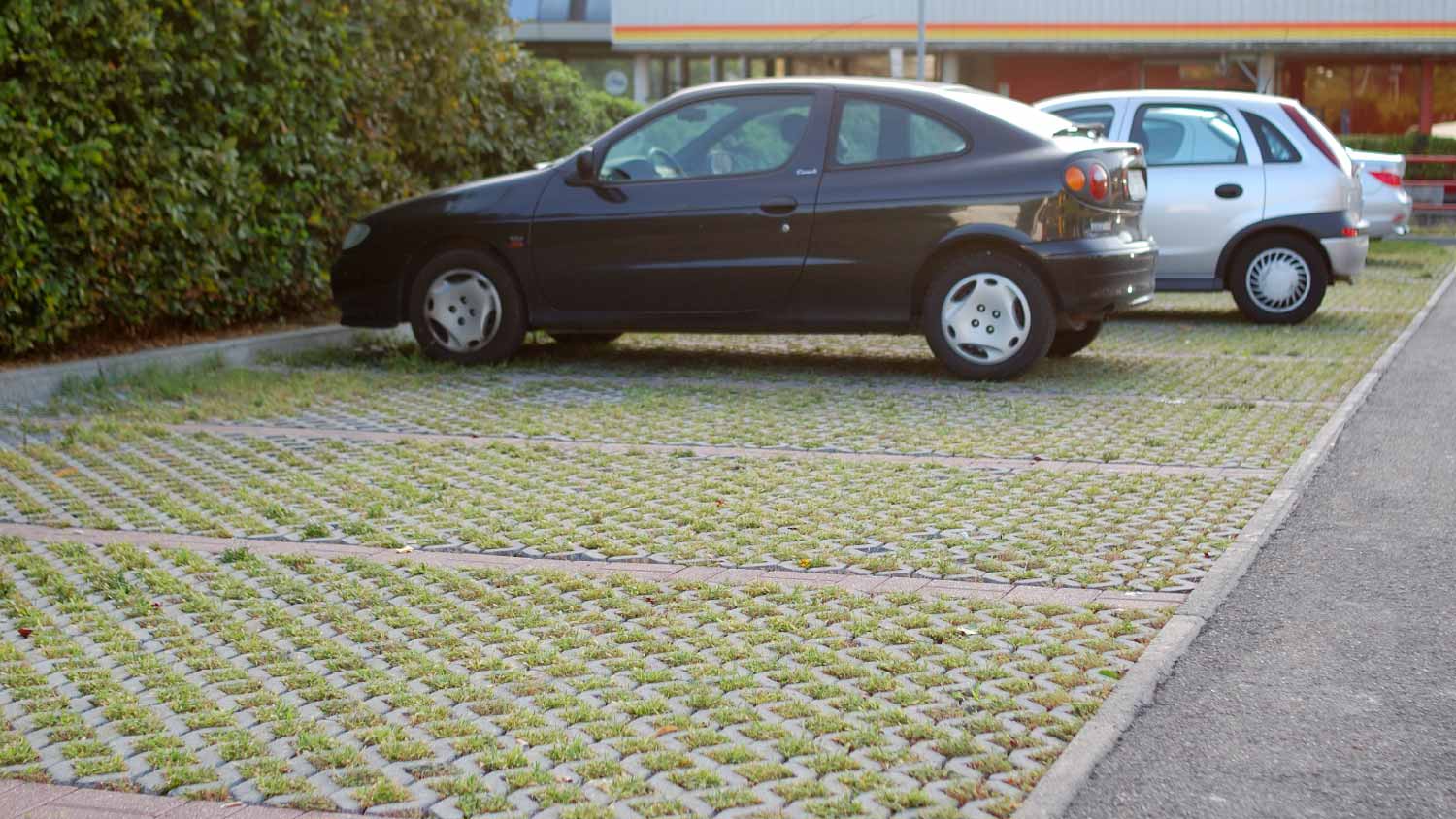
Yes, permeable paving is expensive. For driveways, expect to pay up to $70 per square foot; for patios, permeable paving can cost up to $30 per square foot. Costs will depend on the type of material you choose, plus the standard labor rate in your area.

Maintaining a driveway depends on its material. For concrete and asphalt, it's best to clean the surface thoroughly twice a year with a stiff broom and a pressure washer to remove accumulated dirt and debris. Sealing the driveway is crucial to protect it from water damage and freeze-thaw cycles. Before applying a sealant, pressure wash the surface to remove any loose sealant, dirt, or stains, as sealing over them will trap them. Any cracks or expansion joints should be filled with a flexible polyurethane caulk or asphalt sealer. In colder climates, use sand instead of salt for de-icing. Sand helps melt snow and ice without accelerating the freeze-thaw process, which can cause cracks.

The Hugo, OK homeowners’ guide to paving services

From average costs to expert advice, get all the answers you need to get your job done.