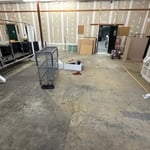
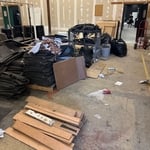
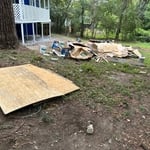
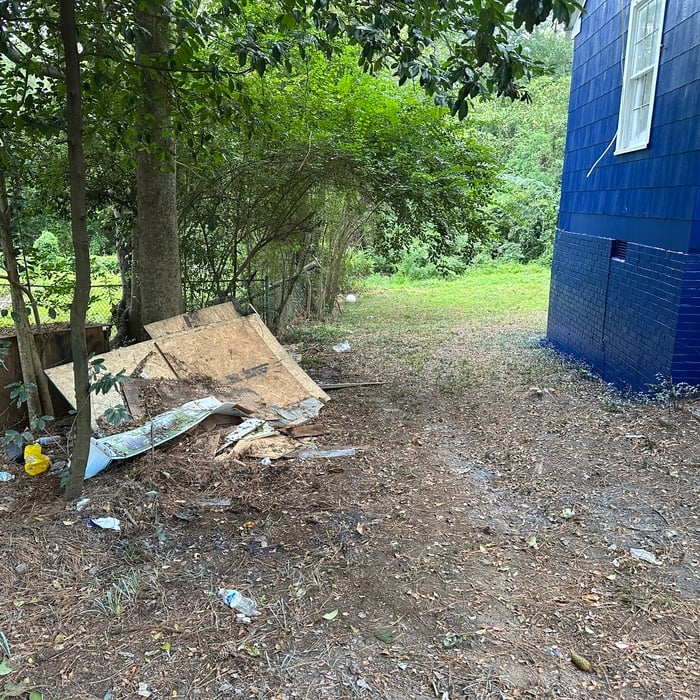
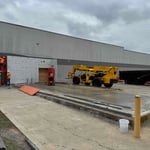
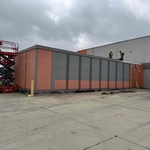
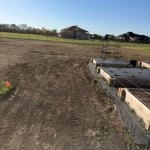
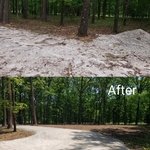
A leading construction company in (LOCATION) focuses on providing optimum quality in various construction services. We take great pride in our work as we have during our () years in business. Thus, you can rest assured, that no matter what construction project we handle, we will be giving nothing but highly professional and expert works. Our galleriescollections of photos from previous construction projectscan attest to the amount of time, thought, and effort that we put into the services we provide.
\n
\n
\n
\n
\n
\nOf course, while we strive to provide the most beautiful designs and outcomes, we understand that price is one of the most important deciding factors for clients. That is why we offer the fairest prices for our best quality works. Call today for your free estimate!
TBDMDB Construction is a construction company based in Atoka, OK and specializes in Heavy Timber Construction, Structure Demolition, Aggregate Surfacing, ...
\n
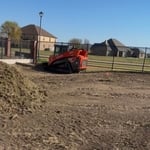
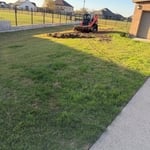
Skid Steer Operator for Hire – Site Prep & Dirt Work\n\nNeed dirt moved or land cleared? \nProfessional skid steer services available with an experienced operator. From small cleanups to full site prep, no shortcuts—just solid work.\n\nBrush clearing, grading, driveways, pads, trenching, and more. Residential and commercial jobs welcome. Serving North Texas.\n
I provide reliable and professional junk removal services with a focus on quality, efficiency, and customer satisfaction. I can help remove unwanted furniture, appliances, household items, yard debris, and general junk. I take pride in being dependable, respectful of your property, and leaving the area clean when the job is finished. My goal is to make junk removal simple, fast, and hassle-free for every customer.
JCR Property Maintance is committed to excellence in every aspect of our business. We uphold a standard of integrity bound by fairness, honesty, and personal responsibility. Our distinction is the quality of service we bring to our customers. Accurate knowledge of our trade combined with ability is what makes us true professionals. Above all, we are mindful of our customers' interests and make their concerns the basis of our business. We make sure to develop a lasting relationship so that the next time a project is needed there will be no question on who to call. We look forward to earning your business!
\n
L&M Excavation LLC is committed to excellence in every aspect of our business. We uphold a standard of integrity bound by fairness, honesty, and personal responsibility. Our distinction is the quality of service we bring to our customers. Accurate knowledge of our trade combined with ability is what makes us true professionals. Above all, we are watchful of our customers' interests, and make their concerns the basis of our business.
We pride our company on reliability, great communication, integrity, and quality work. We strongly believe in giving our absolute best in all of our projects no matter how big or small. We are experts in our trade and will always keep you educated on your particular task or project. We look forward to earning your business!
\n
Hell my name is Henry Barber I'm a very hard worker and I ensure that I get all of my work done correctly. Ive worked on several different platforms and have years of experience in handy work.
Above ground pools are not buried in the ground. Typically, above ground pools are semi-permanent. One reason they’re more affordable is that you don’t have to dig for an inground pool and pour concrete or another material. However, you can choose to install a semi inground pool, which is a hybrid between the two.
Downspouts should be buried at least 5 to 10 feet away from your foundation. This can vary depending on your local building codes, soil type, and property slope. The main goal is to ensure water is directed away from your foundation.
Sewer lines can be buried anywhere from 18 inches to 8 feet deep, with a common average depth between 18 and 30 inches. The exact depth depends on local factors like climate and soil type. In colder regions, pipes must be buried deeper (below the frost line) to prevent freezing, sometimes as deep as 8 feet. The digging depth can also impact the cost of sewer line replacement. To find the specific depth for your property, you can check the building plans for your system, which should be on file with your city or local sanitation department since permits are required for installation.
Excavation and grading are both generally necessary for designing your foundation, and leveling the ground where your foundation will go. These steps can also prepare the area by removing vegetation and anything else that could interfere with your home’s foundation.
We recommend removing the stump, and grinding is a popular way to do it. You can also dig out small stumps or stumps that have fully decayed instead of grinding them. However, don’t try using acids or fire for killing a tree stump, which is a fire hazard and illegal in many areas.
Leaving the stump alone invites eventual problems, including attracting termites, mold, and fungi.
The Hugo, OK homeowners’ guide to excavation services
From average costs to expert advice, get all the answers you need to get your job done.
Excavation costs $1,500 to $6,300 for most residential projects—but it depends on factors like the size of the area. This guide will help you plan a budget.
You can't have an in-ground pool without digging into the ground. How much does pool excavation cost, and can you take it on yourself? Our guide explains.