



Top-rated tree service pros.

Get matched with top tree service pros in Earlsboro, OK

Enter your zip and get matched with up to 5 pros

Need a pro for your tree service project in Earlsboro, OK?

Select your specific project to find the pro for you.

TRUSTED BY EARLSBORO, OK HOMEOWNERS

  • Average homeowner rating star icon4.6
    Average homeowner rating
  • Verified reviews icon157
    Verified tree services reviews

Find Tree service pros in Earlsboro

Avatar for A@E tree service and land clearing
A@E tree service and land clearing
New to Angi

Serving Earlsboro, OK and surrounding areas

Approved

Free estimates

Emergency services offered

Warranties offered

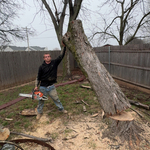
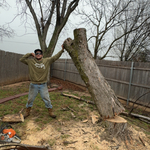
We are a small family owned business specializing in tree removals of all kinds. Land clearing. lawn care and Maintenance tree trimming shrub clearing and material debris removal of all kinds. We would be happy to serve you all at a fair price. thank you in advance!

1 neighbors recently requested a quote
...
Showing 1-10 of 133
Tree Service questions, answered by experts

You should avoid cutting off the top of mature cherry trees. This process is called tree topping, and it’s not recommended for cherry trees—or any trees, for that matter. Tree topping removes between one-third to half of the length of the tree trunk, resulting in structurally unsound, fruitless suckers. The only exception is for saplings. Young pie, sour, and tart cherry trees that are over 30 inches tall in the fall or winter before the tree blooms can benefit from heading cuts.

While it’s best to have access to large, healthy, strong trees in a safe position, treehouse living is still possible without them. Contractors can fit tree posts to build the structure onto or use posts as additional support alongside the trees themselves. If you’re in doubt about the suitability of the trees on your land, consult with a local treehouse builder before you start the project.

Yes, it’s okay to trim low branches on a tree, also known as limbing up or raising the crown. Essentially, you’ll trim the lower third of the tree (trunk) and leave the upper two-thirds of the tree (crown). Arborists recommend trimming 20% of a tree’s leaves per season for two to three seasons. Trimming low branches allows light to flow through the tree, increasing circulation and making the tree stronger and healthier.

Whether tree roots will continue to grow after a tree has been cut down depends on the species. Some tree roots will eventually die because they can no longer get nutrients through photosynthesis. However, other species that reproduce through root sprouts can continue to grow and produce new sprouts for seven years or more. For example, the roots of elms, ficus, and willows tend to regrow aggressively, while the roots of pines, oaks, and maples will typically die. To determine if a root system is still active, look for new sprouts on the old trunk, stump, or any exposed roots.

You may wonder whether tree removal is tax deductible: Tree removal is not tax-deductible for homeowners unless it's related to a federally declared disaster. In that case, the cost may qualify as a casualty loss. However, if you own a commercial property, like a rental home, tree removal could be deductible if it's necessary for safety, maintenance, or part of a larger capital improvement project, and you must hire a professional tree removal service and keep documentation. Always consult a tax professional beforehand to see if you qualify.

The Earlsboro, OK homeowners’ guide to tree services

From average costs to expert advice, get all the answers you need to get your job done.