"He was able to quickly diagnose that the water leak from the water heater was a result of a ruptured tank, resulting in the need to replace the entire water heater."
"I just pay $75 you never know who's going to come out. They do everything electrical. Just about everything is covered except the septic tank. I had an air conditioner replaced. It went great, all I had to do was pay for the freon. He didn't charge e more than what was needed."
"I recently purchased a Fannie Mae foreclosure, a house with nice potential but quite a mess to get started with. I contacted a couple of names from Angie's List and Roger Allen was so professional from the get go (good guy too), I went with him pretty quickly. He was able to get an estimate together and to my lender soon after I had asked. I'm not an expert on pricing but his numbers were consistent with the other I had received and ended up being accurate by the time everything was done. On small jobs that is easy, on the mess that was my house, quite a challenge. We had problems all around from an iffy septic system, siding peeling away, no hot water heaters, ancient electrical boxes, decor from a generation long past, leaks in the shower/master bath, carpeting that had seen much better days, etc. He was able to take care of everything inside of my budget without any glaring omissions. Even when my wife picked out expensive paints, he was able to take care of the overage. Roger and his people have been great, I'll be using him for any future fix-it jobs in the future for sure."
A properly installed and maintained septic drain field (also known as a leach field) can last up to 50 years, though the average is around 20 years. However, factors like poor soil conditions, heavy usage, or improper maintenance can significantly shorten its lifespan to 15-20 years.
To extend the life of your drain field:
Schedule Regular Inspections: Have the entire septic system, including the drain field, inspected every two to five years to catch problems early.
Protect the Area: Avoid driving heavy vehicles or placing heavy structures over the drain field. Plant only grass or other lightweight vegetation with shallow roots over the area.
Maintain the Septic Tank: Proper care of the septic tank, including regular pumping and avoiding harmful chemicals, prevents strain on the drain field.
Be aware of signs of failure, such as strange odors, standing water, or unusually lush grass over the field, which indicate your system may need professional attention.
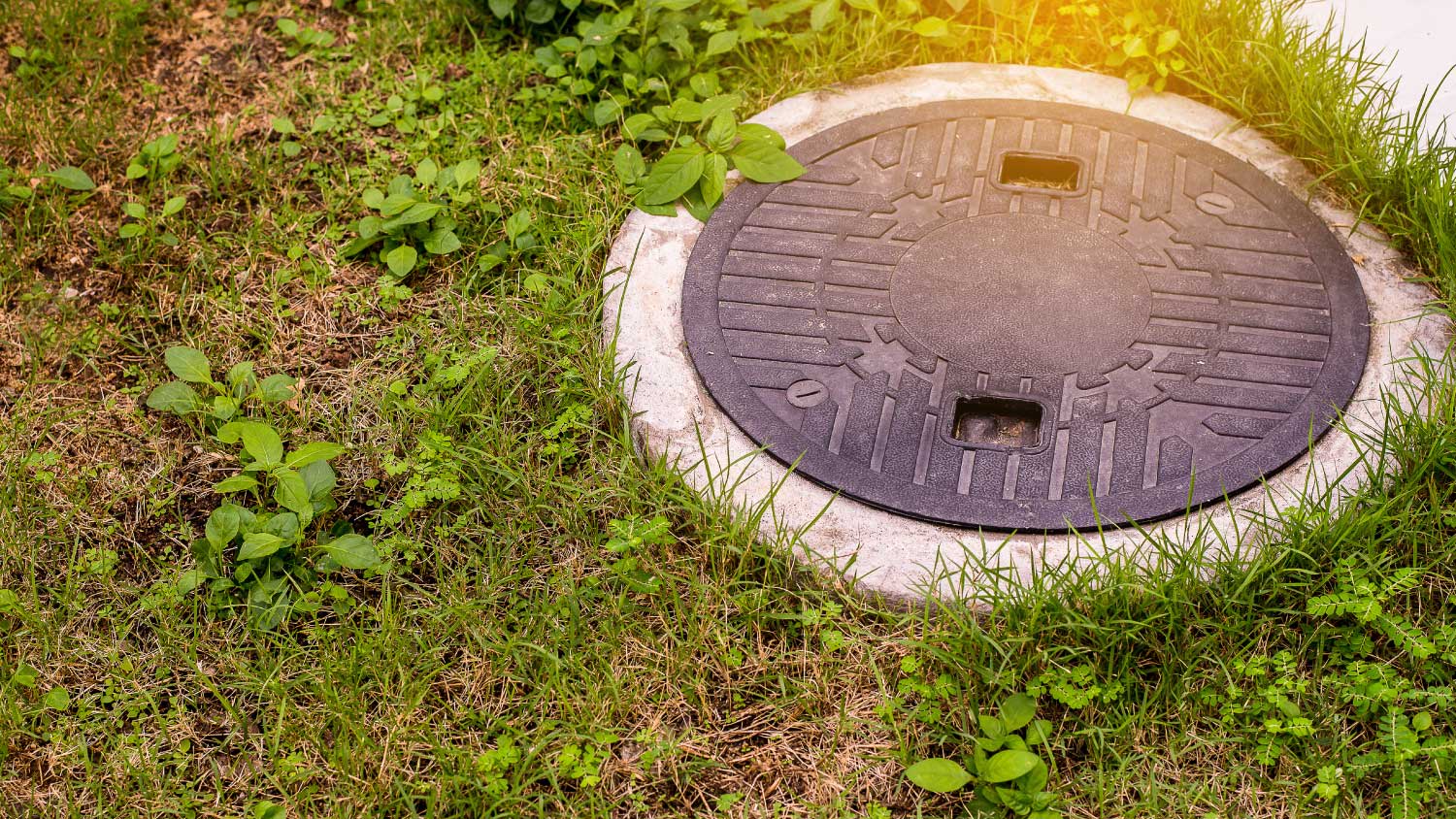
It is not normal to smell your septic outside and indicates a problem such as an unsealed manhole or access lid, a clogged septic line, a faulty vent stack, or the need for a septic tank pumping. If sewage is leaking from your septic system, it can be hazardous to you, your family, pets, and the surrounding environment. You can troubleshoot the issue yourself, or contact a septic tank pro who can resolve the issue quickly.
While dry wells can be effective for managing rainwater, they have several disadvantages. They can become clogged with sediment, especially after large storms, which reduces their effectiveness and can be difficult to clean. Dry wells are also not suitable for all soil types; they will not function properly in soil with low permeability. Additionally, if a dry well is not large enough to handle the amount of rainfall in your area, it can overflow. For gravity-flow models, the water may disperse very slowly, depending on the well's depth and the soil's permeability.
Most well pump pressure switches have a factory setting of 30 to 50 PSI. There’s some flexibility with this if you’d like a lower or higher water pressure, but remember that it should sit 2 to 3 PSI above your well tank’s general pressure setting.
The inside of your pressure switch cover will usually indicate minimum and maximum settings—going below and above the numbers might damage your well pump.
You may want to increase the size of your leach field, for instance, if you add on to your home or install more bathrooms in your house. You can make your leach field larger by installing more pipes or expanding the area of the field itself. Improving the soil quality in the drain field can also make it more effective without increasing the area.
The Broken Bow, OK homeowners’ guide to septic tank services
From average costs to expert advice, get all the answers you need to get your job done.
Caring for your septic system is crucial to ensuring its long life. But how much does it cost to pump a septic tank? We explore the different cost factors.
A damaged septic system can leak odors and sewage, so repairs are urgent. Find out how much septic tank repair costs based on repair type, tank size, and more.
Septic tank risers make it easy to access your septic tank when it’s time for routine inspection, maintenance, and pumping, saving you precious time and labor costs.
Septic tank sizes vary depending on the size of your home, how many people live there, how much water you use, and more. Read on to learn how to determine the right size for you.