




R&R Dirtworks
Septic System - Install or ReplaceSeptic System - Install or Replace - For BusinessSeptic System - Repair+3 more
Serving Ashdown, AR and surrounding areas



Recommended by100%of homeowners
*The Angi rating for Septic Tank Service companies in Ashdown, AR is a rating based on verified reviews from our community of homeowners who have used these pros to meet their Septic Tank Service needs.
*The HomeAdvisor rating for Septic Tank Service companies in Ashdown, AR is a rating based on verified reviews from our community of homeowners who have used these pros to meet their Septic Tank Service needs.
Last update on August 03, 2025
Serving Ashdown, AR and surrounding areas

Serving Ashdown, AR and surrounding areas
In business since 2008
Emergency services offered
Credit card accepted
"Well. Only problem was delay in response time after claim was filed online. Water tank started leaking Thanksgiving morning and no reply until I called the Regional Manager."

Serving Ashdown, AR and surrounding areas
In business since 2014
Free estimates
Credit card accepted
Welcome to Dwyer Water Wells! With over 20 years of experience in the industry, we take pride in the quality of work and customer satisfaction that we give each and every customer! A family owned and operated company, we are known to pay exquisite attention to detail while making customer satisfaction our top priority. We are competitively priced and offer some of the best discounts in the area. Dwyer Water Wells uses the latest technology and goes above and beyond to use the systems that are best suited for that landscape. We have completed several large commercial projects as well, with specific requirements for compaction and density. Call us today to learn more about how we can help you!


+5

Serving Ashdown, AR and surrounding areas
In business since 1971
Credit card accepted
"Takes for ever to get a return a call. Also took a week to get someone out for repairs. They said they would reimburse me for septic repairs and it took over 3 months for that to happen."





+2
From average costs to expert advice, get all the answers you need to get your job done.
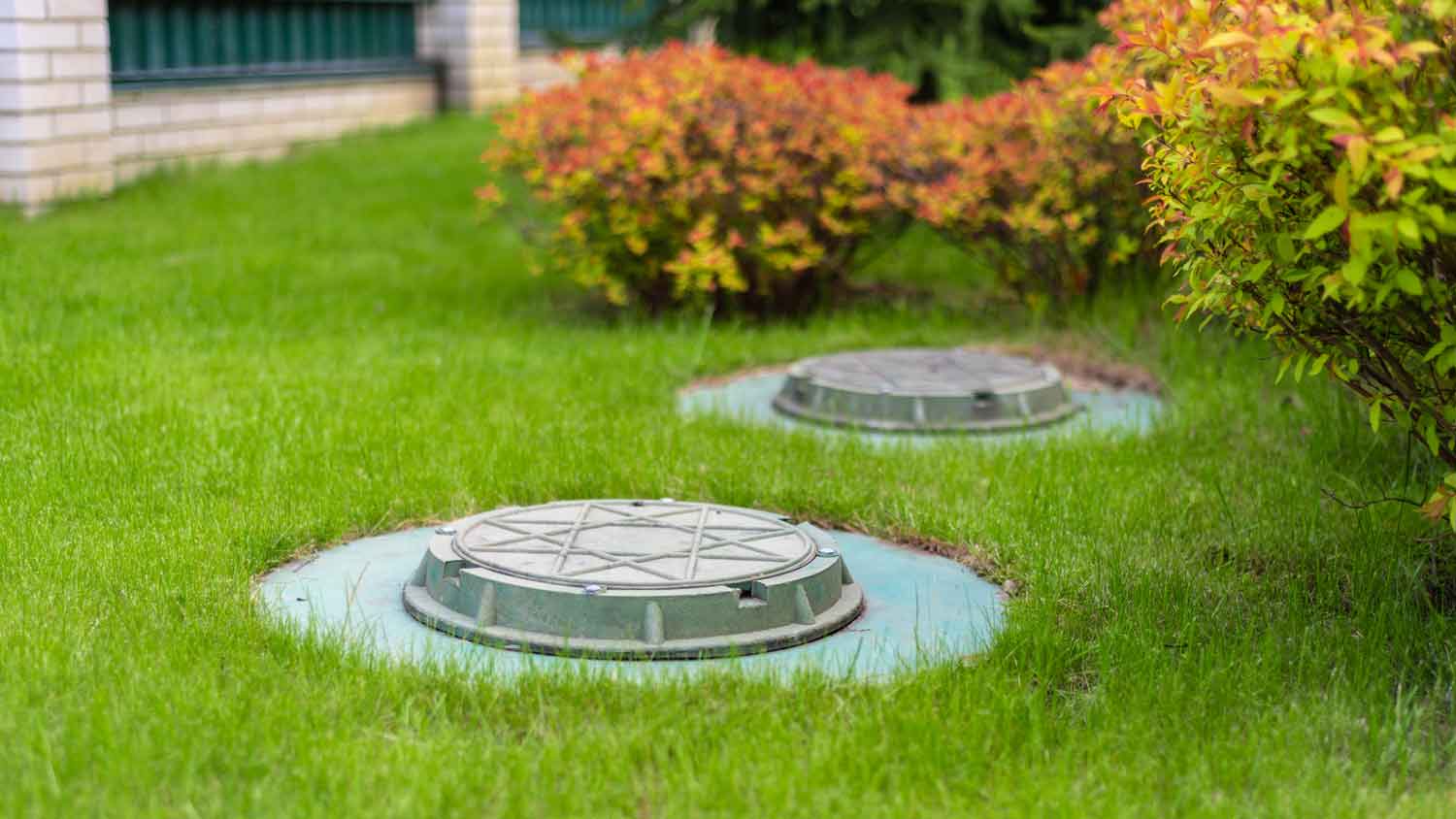
If it’s been there for a while, it can be hard to find the septic tank in your yard. Learn how much it costs to locate a septic tank with this guide.
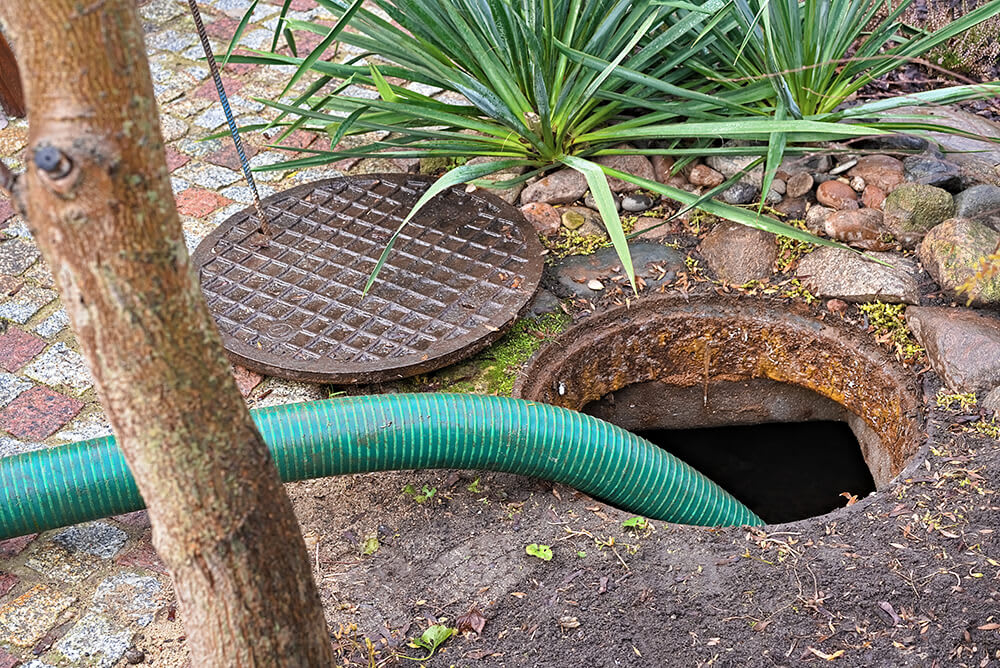
Caring for your septic system is crucial to ensuring its long life. But how much does it cost to pump a septic tank? We explore the different cost factors.
It’s crucial to install a septic tank with the right volume to avoid wastewater backups. This guide will help you calculate the right septic tank volume.

Septic tank sizes vary depending on the size of your home, how many people live there, how much water you use, and more. Read on to learn how to determine the right size for you.
If you’ve never lived in a house with a septic system before, you might be wondering: Are septic tanks bad? Here are some of the pros and cons.
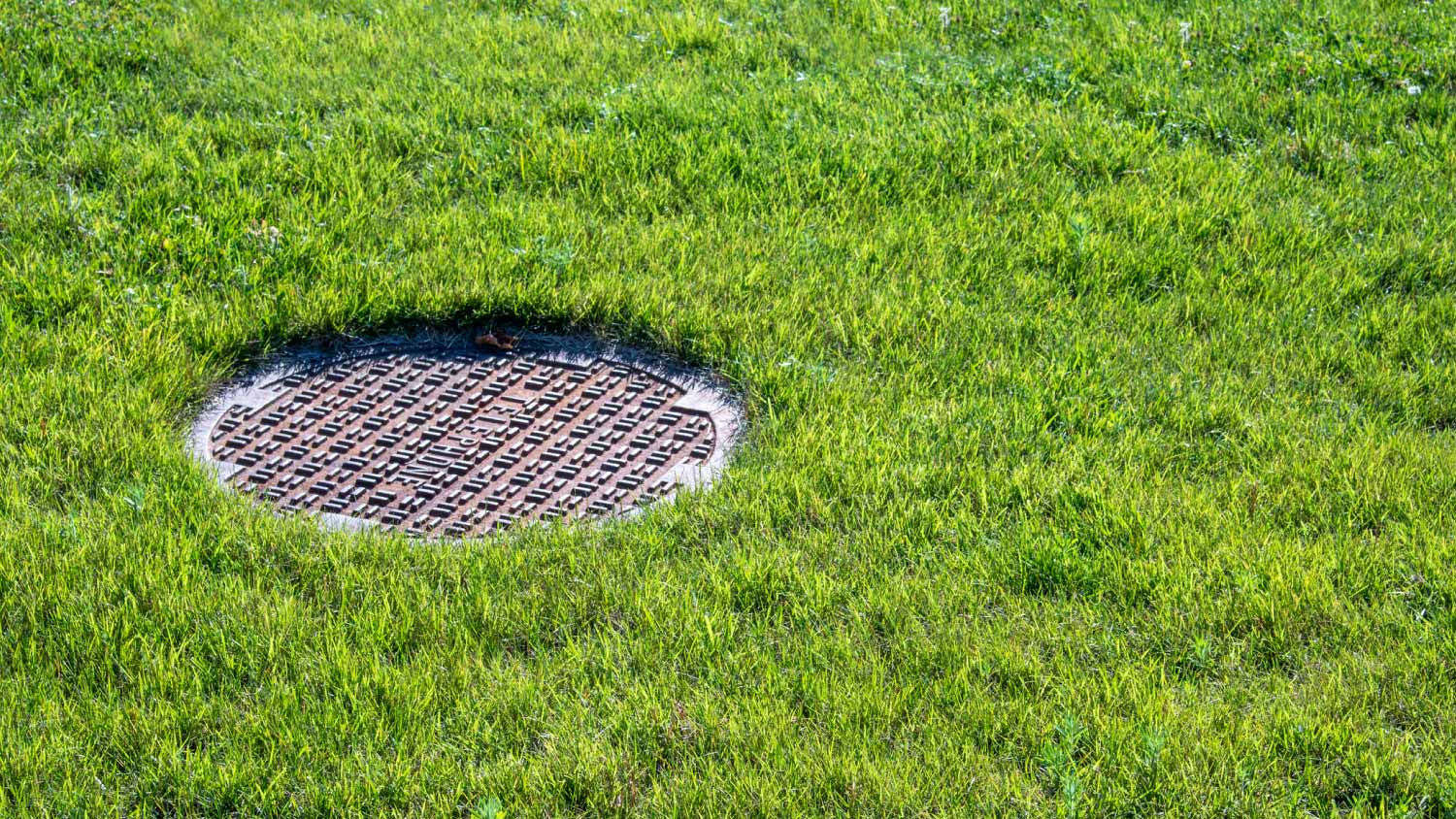
Want to learn how to build a septic tank for your rural or off-grid property? First, check your local laws, then dive into these general guidelines.