




R&R Dirtworks
Septic System - Install or ReplaceSeptic System - Install or Replace - For BusinessSeptic System - Repair+3 more
Serving Horatio, AR and surrounding areas



Recommended by100%of homeowners
*The Angi rating for Septic Tank Service companies in Horatio, AR is a rating based on verified reviews from our community of homeowners who have used these pros to meet their Septic Tank Service needs.
*The HomeAdvisor rating for Septic Tank Service companies in Horatio, AR is a rating based on verified reviews from our community of homeowners who have used these pros to meet their Septic Tank Service needs.
Last update on April 21, 2026
Serving Horatio, AR and surrounding areas

Serving Horatio, AR and surrounding areas
In business since 2008
Emergency services offered
Credit card accepted
"Well. Only problem was delay in response time after claim was filed online. Water tank started leaking Thanksgiving morning and no reply until I called the Regional Manager."

Serving Horatio, AR and surrounding areas
In business since 1971
Credit card accepted
"Takes for ever to get a return a call. Also took a week to get someone out for repairs. They said they would reimburse me for septic repairs and it took over 3 months for that to happen."





+2
From average costs to expert advice, get all the answers you need to get your job done.
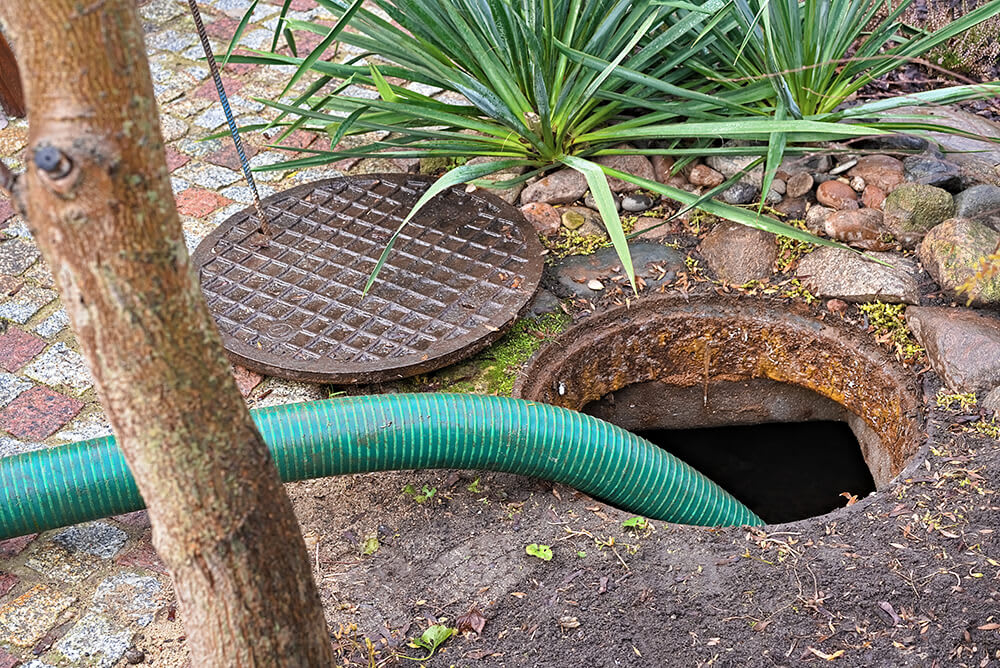
Caring for your septic system is crucial to ensuring its long life. But how much does it cost to pump a septic tank? We explore the different cost factors.
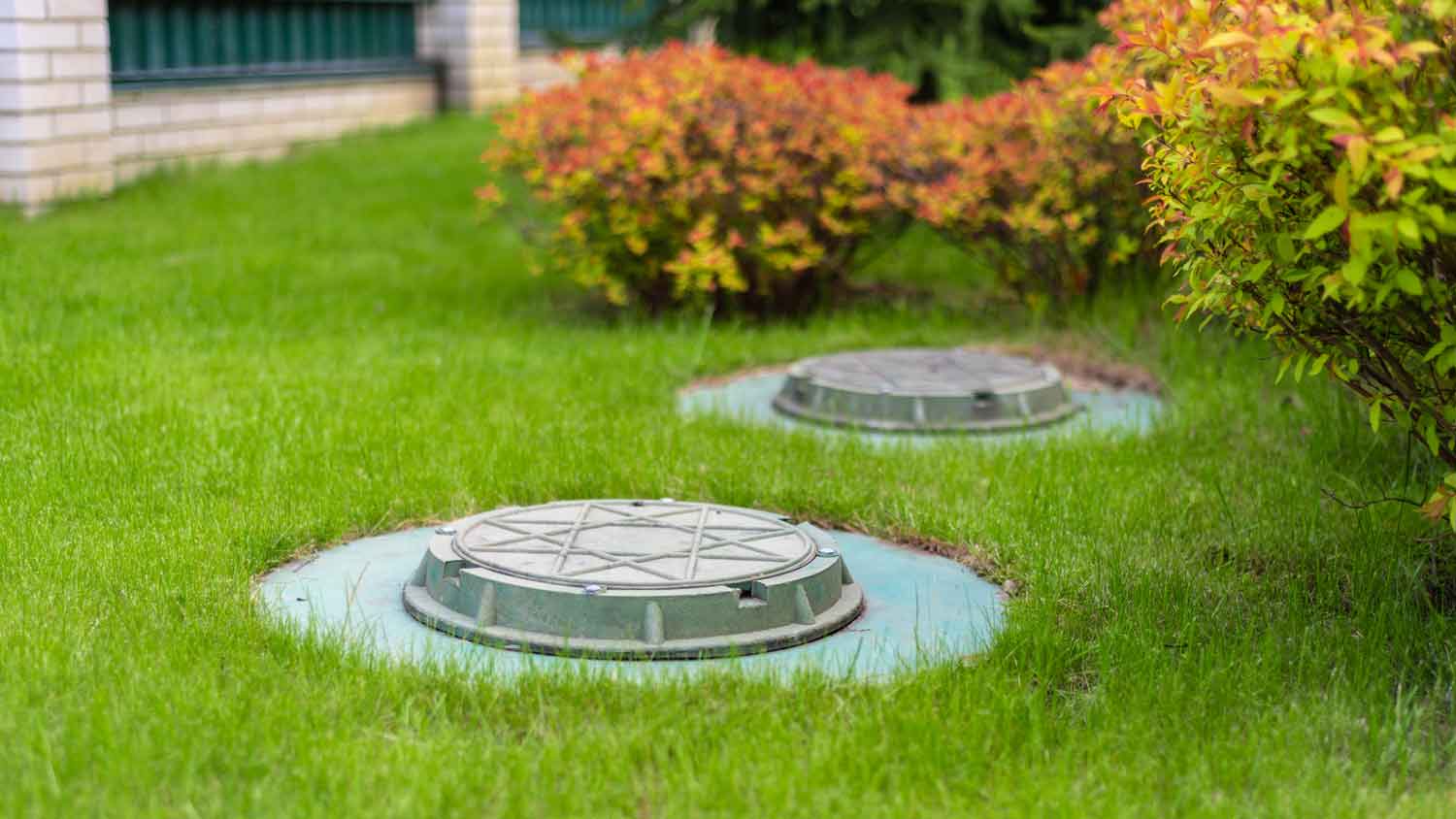
If it’s been there for a while, it can be hard to find the septic tank in your yard. Learn how much it costs to locate a septic tank with this guide.
It’s crucial to install a septic tank with the right volume to avoid wastewater backups. This guide will help you calculate the right septic tank volume.

Septic tank sizes vary depending on the size of your home, how many people live there, how much water you use, and more. Read on to learn how to determine the right size for you.

If you’ve never lived in a house with a septic system before, you might be wondering: Are septic tanks bad? Here are some of the pros and cons.
Want to learn how to build a septic tank for your rural or off-grid property? First, check your local laws, then dive into these general guidelines.