



"He was able to quickly diagnose that the water leak from the water heater was a result of a ruptured tank, resulting in the need to replace the entire water heater."
"I just pay $75 you never know who's going to come out. They do everything electrical. Just about everything is covered except the septic tank. I had an air conditioner replaced. It went great, all I had to do was pay for the freon. He didn't charge e more than what was needed."
We pride our company on reliability, great communication, integrity and quality work. We are experts in our remodeling and will do our best to keep you as educated as we can on your particular task or project. We look forward to working with you.\n\n \n \n
How to size a well pressure tank is determined by three factors: flow rate, or how many gallons per minute your well pump produces; minimum runtime; and pressure switch setting. Most pressure tanks have a pressure switch operating at 20/40, 30/50, and 40/60—the first number is the pressure needed for the pump to turn on, and the second number is the pressure needed for the pump to switch off. Most homeowners relying on well water require a water pressure tank ranging from 20 to 80 gallons.
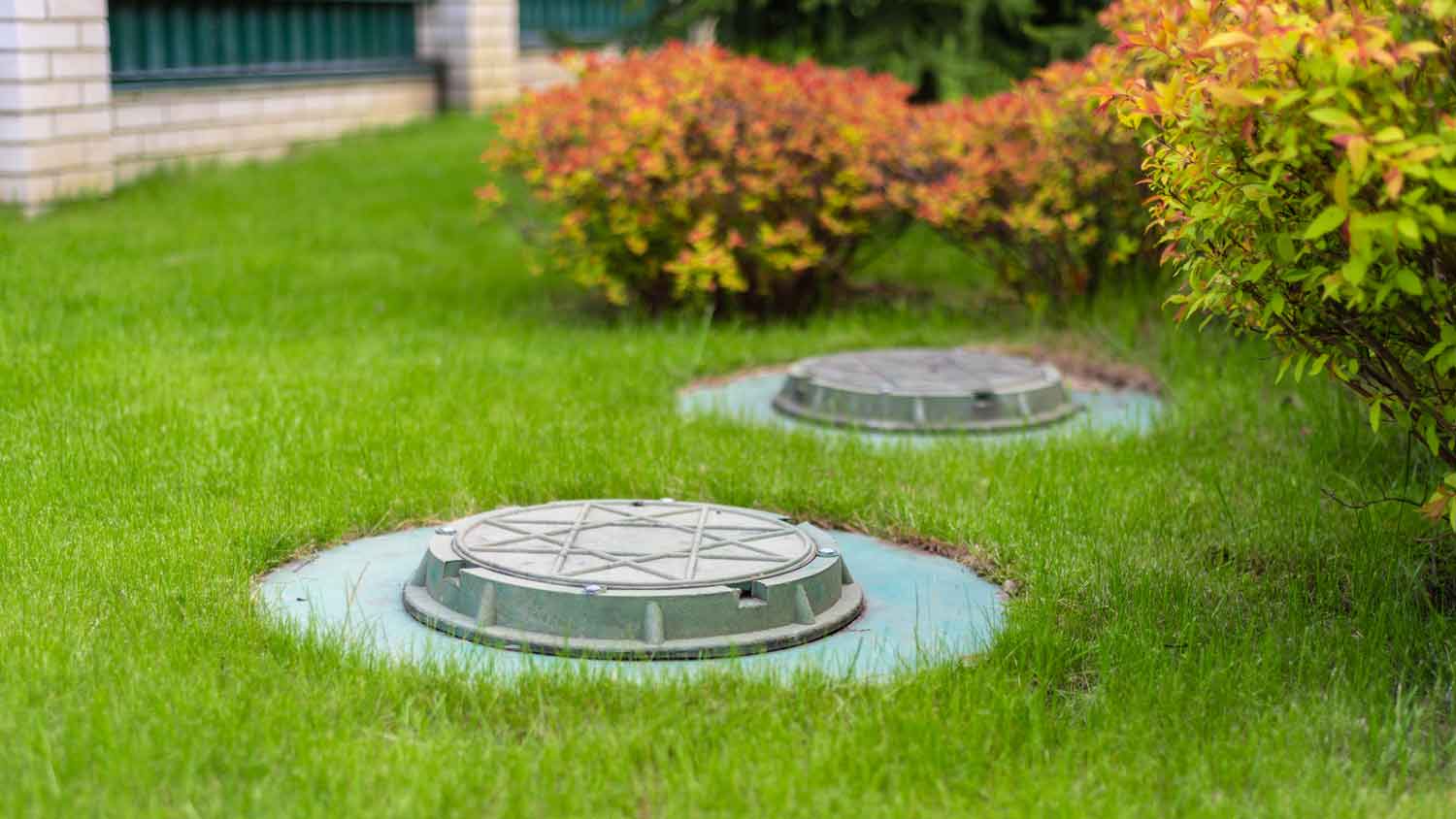
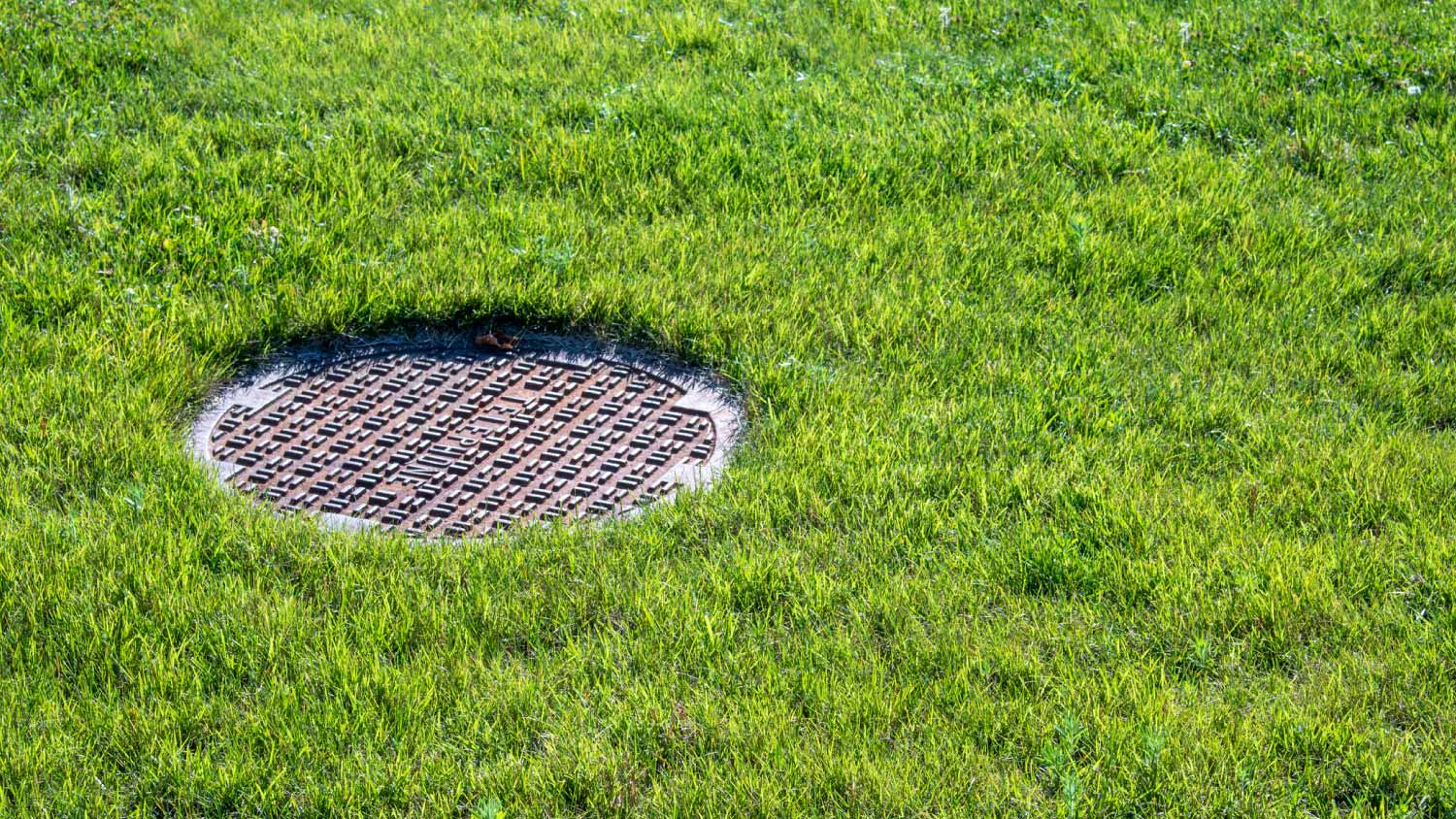
According to the Environmental Protection Agency (EPA), septic tanks must be located a decent distance from places subject to flooding or surface ponding. Additionally, septic tanks should be installed on level ground so that the waste can properly settle in the tank. Most tanks are located 10 to 20 feet away from the home. More specific requirements vary by location, so call a local septic pro or your local health department for more information.
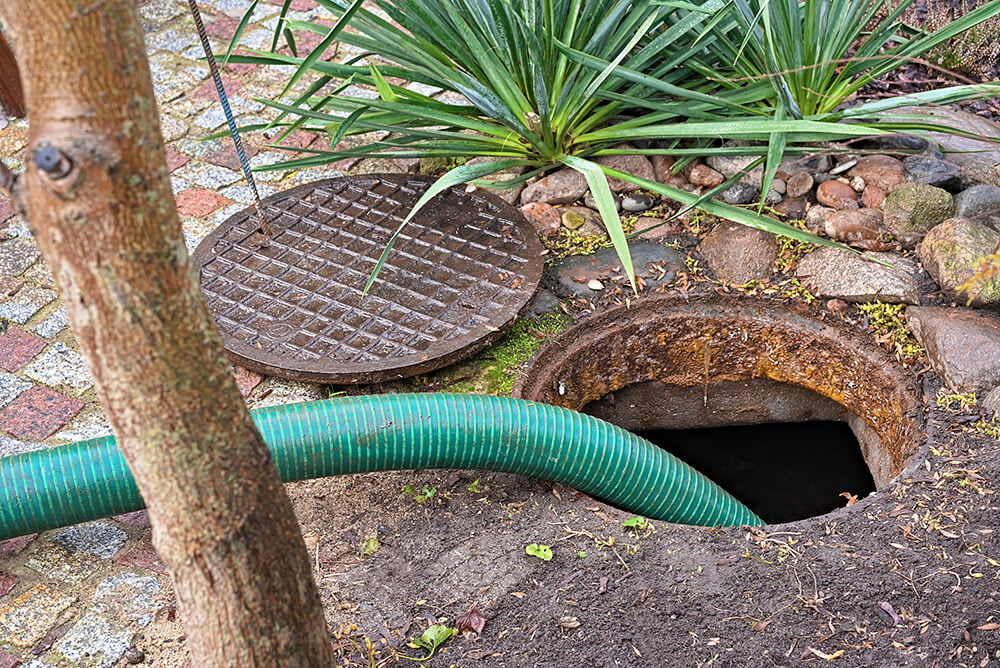
Septic tanks and cesspits are both types of sewage and wastewater systems, but they differ in key ways. The main difference between the two systems is that septic tanks separate sewage from wastewater and allow the latter to flow into a drainage field to filter and disperse into the soil. Cesspits don’t have outlets and instead, store sewage until it needs to be pumped by a professional.
Some of the signs that could mean your water is contaminated, such as cloudiness or bubbliness, could also be non-problems that don’t affect your water’s potability. However, if your water smells or tastes strange, it’s a good idea to stop drinking it and test it immediately. If your well water is contaminated, the best way to discover that is to test it.
A shallow-well pump can pull water up to 25 feet deep. A deep-well pump can pull water up to 90 feet deep. A deep-well submersible pump can pull water up to 300 feet deep. Make sure to consult a pro to find out how deep your well is and get the right pump for your needs.
The Howe, OK homeowners’ guide to septic tank services
From average costs to expert advice, get all the answers you need to get your job done.
Caring for your septic system is crucial to ensuring its long life. But how much does it cost to pump a septic tank? We explore the different cost factors.
A damaged septic system can leak odors and sewage, so repairs are urgent. Find out how much septic tank repair costs based on repair type, tank size, and more.
Septic tank risers make it easy to access your septic tank when it’s time for routine inspection, maintenance, and pumping, saving you precious time and labor costs.
Septic tank sizes vary depending on the size of your home, how many people live there, how much water you use, and more. Read on to learn how to determine the right size for you.