







Top-rated radon detection and reduction specialists.

Get matched with top radon detection and reduction specialists in Waldo, OH

Enter your zip and get matched with up to 5 pros

Need a pro for your radon detection and reduction project in Waldo, OH?

Select your specific project to find the pro for you.

Find Radon detection and reduction specialists in Waldo

Knox Radon EMT, LLC
4.9(
4
)
Radon Gas - Abatement

Serving Waldo, OH and surrounding areas

In business since 2010

Free estimates

Credit card accepted

"Corey is great to work with. He gave an accurate estimate, was quick to respond to our messages, and did a good job installing the radon mitigation system. Within 24 hours, our radon levels dropped from 15+ pCi/L to less than .5 pCi/L (and still dropping). Corey also ensures his work up to a year after install for free, which gives even greater peace of mind and value for our purchase."
Response time3 hrs
Response rate93%
Recommended by100%of homeowners
Radon Detection and Reduction questions, answered by experts

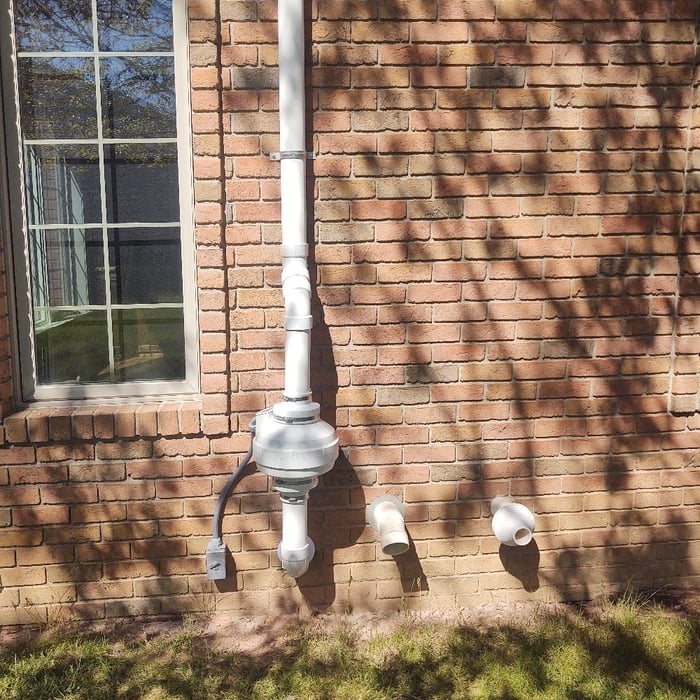
Abatement includes sealing entry points and venting with systems that reduce radon levels below recommended EPA limits. It is handled by certified professionals.

The average radon mitigation system uses about 876 kWh of electricity per year, although the exact amount of electricity used will vary depending on the size of the radon fan. Once the system is installed, the annual increase to your energy bill could range from $30 to $300 per year, again depending on the size of the fan.

Long-term exposure increases lung cancer risks. Prolonged homestay individuals and smokers encounter heightened vulnerability and exposure concerns.

The cost to replace a radon fan ranges from $300 to $600 for the fan itself, with installation adding an additional $200 to $500. Overall, the total cost for replacement can range from $500 to $1,100, depending on factors such as the fan model, home size, and local labor rates. If the fan is part of a larger radon mitigation system, the price may be higher.

Radon enters your home when warm air begins to rise and exits through the roof, creating a vacuum that pulls cooler air from under the foundation. Part of that air is radon, which is an invisible, odorless gas that develops naturally when radioactive particles are deep within the ground. Those particles usually come from decaying matter in soil and rocks.

The Waldo, OH homeowners’ guide to radon detection and reduction services

From average costs to expert advice, get all the answers you need to get your job done.